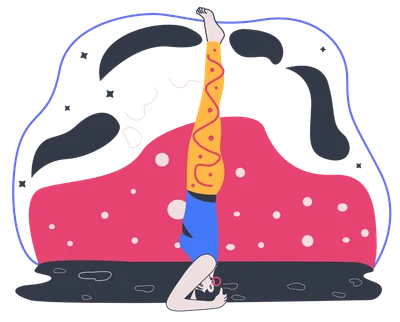
Sirsasana
Headstand
Rise with us into the breathtaking heights of the Sirsasana Uncovered. Like a tower towering over the cityscape, the headstand offers not only a new perspective but also a center of calm high above the city noise.
Category: Inversions
Inversions are asanas in which you gently stretch muscles and joints. They promote suppleness and mobility. Breathing in Inversions has a relaxing effect: you supply your muscles with oxygen and release tension.
VAYUS
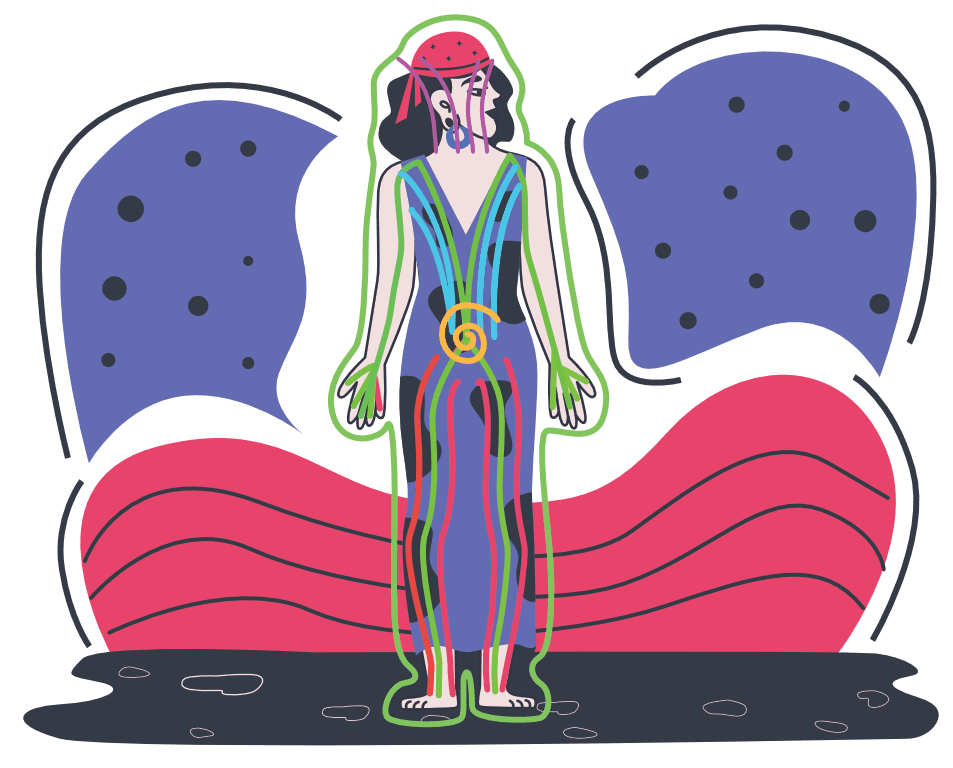
Each of the five Prana Vayus plays an essential role in our body and mind. They move and direct energy in specific directions, each with its own special area of influence and function. Headstand has its own unique effects on these vayus.
Udana Vayu
▼
Sirsasana activates Udana Vayu, the upward-flowing energy responsible for expression, clarity and the connection to the higher. The inverted posture strengthens the flow of energy toward the head and fosters mental clarity as well as a heightened state of consciousness. During the pose, a feeling of lightness arises that harmonizes with the flow of Udana Vayu, which is especially beneficial for meditation and introspection.
Prana Vayu
▼
In the chest and heart area, Sirsasana fosters Prana Vayu through the conscious breathing in the pose. The increased pressure on the upper part of the body stimulates the intake of prana (life energy) and supports the circulation into the upper chakras. This helps build new energy and nourish the heart as well as the lungs.
Vyana Vayu
▼
The entire posture in Sirsasana requires and fosters the even distribution of energy through Vyana Vayu. The balance and the extension in the pose ensure that the energy flows harmoniously through the entire body. Vyana Vayu supports the connection between the extremes – the contact of the head with the earth and the alignment of the legs into the height.
CHAKRAS
Vishuddha Chakra (Throat Chakra)
▼
The pressure on the neck area in Sirsasana activates the Vishuddha Chakra, the center for communication, expression and truth. The posture stimulates the flow of energy in the throat area and fosters clarity in communication. It can help release blockages in the throat chakra that have arisen through unprocessed emotions or a lack of self-expression.
Ajna Chakra (Brow Chakra)
▼
Sirsasana is known for its effect on the Ajna Chakra, the third eye, located between the eyebrows. This posture fosters concentration, mental clarity and intuition. By having the head in direct contact with the earth, the energy of the third eye is intensified, which can lead to an expanded consciousness and a deeper access to inner wisdom.
Swadhisthana Chakra (Sacral Chakra)
▼
Although Sirsasana is an inverted posture, it nevertheless activates the Swadhisthana Chakra, which stands for creativity, flow and emotional balance. The conscious alignment and the holding of the pose foster a harmonious connection between stability and flexibility, which strengthens the sacral chakra and supports emotional equilibrium.
KOSHAS
Annamaya Kosha (Physical Body)
▼
Annamaya Kosha represents the physical body. Sirsasana strengthens the shoulders, arms and the torso, fosters circulation and improves balance.
Pranamaya Kosha (Energy Body)
▼
This pose fosters the increased flow of prana in the upper body, revitalizes the energy centers and fosters a balanced flow of energy. This can lead to a feeling of renewal and vitality.
Manomaya Kosha (Mental Body)
▼
Through inverting the perspective in Sirsasana, our mind is cleared, and it encourages us to view things from a new angle. It also fosters focus, concentration and inner calm.
Vijnanamaya Kosha (Intellectual Body)
▼
In Sirsasana, the practitioner develops a deeper awareness of the body and the space around them. This fosters self-reflection, insight and awareness of one's own body.
Anandamaya Kosha (Spiritual Body)
▼
As soon as one overcomes the physical and mental challenges of Sirsasana, a feeling of bliss and contentment can arise. This state can bring us closer to the true self and foster a feeling of oneness.
DOSHAS
Vata
▼
Sirsasana requires and fosters an immense stability and calm, which helps neutralize the often restless and scattered Vata dosha. The inverted posture calms the mind, while the grounding through the head and arm base stabilizes Vata. With people who have a strong Vata excess, however, caution is advised, as the stimulating effect of the inversion could increase Vata with overexertion. With controlled breathing, the pose supports a feeling of centering and calm.
Pitta
▼
The precise execution and the necessary patience in Sirsasana are a good balance for the fiery and goal-directed Pitta dosha. The inversion cools the body and diverts excess energy from Pitta, whereby the mind becomes clearer and more serene. Pitta types can benefit from the pose by learning to transform their energy into calm and balance.
Kapha
▼
Sirsasana is a dynamic posture that pulls Kapha types out of heaviness and sluggishness. Through the inversion, circulation is stimulated, which sets the stagnant energy in motion. The challenge of the pose supports Kapha types in feeling energized and activated, whereby the feeling of lightness in the body is fostered.

Key Information for Correct Execution
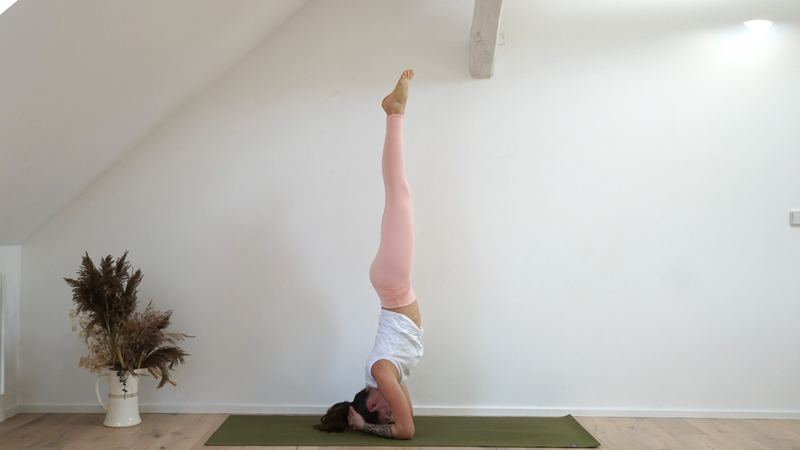
Meet Geraldine, a certified yoga teacher and psychology student who emphasizes mindfulness and alignment to inspire people toward a more peaceful life.
Common Mistakes
Body weight is not evenly shifted onto the crown of the head, elbows are not aligned directly under the shoulder joints.
Our Tip
A good preparatory exercise for the headstand is the dolphin pose, which strengthens arm and shoulder strength. The forearm plank is also suitable for building the core strength we need in the headstand.
Variations
Beginners should practice against a wall to overcome the fear of falling and to learn to move into the posture in a controlled way.
Physical Effect
Circulation Boost
In the headstand, gravity is used to improve the circulation of the brain and the facial skin. This can increase the oxygen supply to the brain, which can lead to a better mental clarity and increased concentration. In addition, this increased circulation can foster hair growth and reduce premature hair loss.
Back Strengthening
Sirsasana challenges not only the neck but also the deeper muscles of the spine and the upper back. This musculature, including the paravertebral musculature, is strengthened, which can help prevent or ease back problems. Through the activation and strengthening of the core musculature, poor postures and the associated complaints can be reduced.
Hormonal Balance
The headstand can have a positive influence on the pituitary gland, which is considered the master gland of the endocrine system. Through positioning the head down, the circulation of this gland can be fostered, which can lead to a better hormone production and regulation. This can have far-reaching positive effects on the entire body, as the pituitary gland influences many other glands and their hormone secretion.
Effects on Psyche and Emotions
Patience & Progress
Sirsasana, the headstand, is often referred to as the “king of asanas”. It requires patience and continuous practice to reach the perfect balance and posture. In doing so, it teaches us to appreciate small progress and not to expect perfection too hastily.
New Perspective
In this inverted position, we literally see the world from a different perspective. It reminds us that there is always another way to view a situation. This physical inversion can lead to a mental rethinking.
Centering & Focus
While Sirsasana requires physical strength and balance, it also fosters mental clarity and focus. The blood flows to the brain, which leads to an increased mental alertness. It helps free the mind from unnecessary noise and concentrate on the essential.
Props
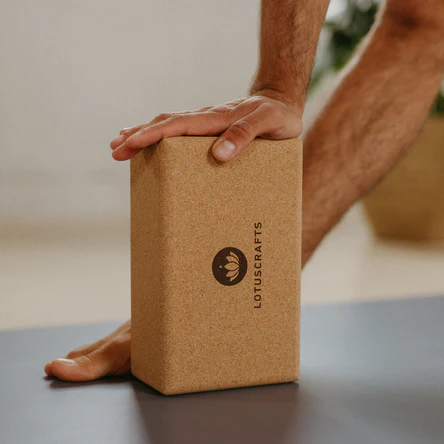
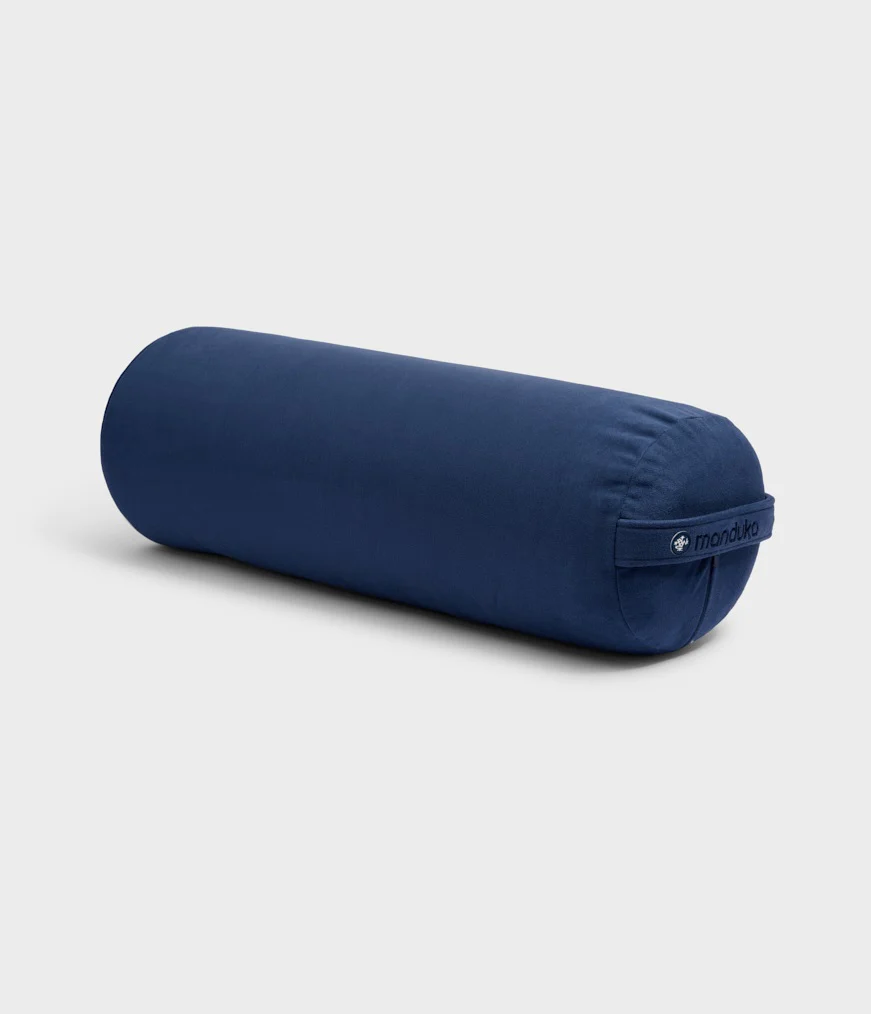
Also interesting!
Author of this Asana
Manish Rana is a certified yoga teacher and founder of asanaverse.de. He writes about topics around yoga, ayurveda and meditation. Manish owes his deep connection to yoga to his Indian roots, through which he came into contact with this practice early on.
Learn more about our team here →DISCOVER MORE
More Inversions
Get our free ebook with 108 asanas now!
With great care and passion, we have selected and described 108 of the most important asanas for you in detail!
Perfect for your practice and cues ;)
Thank you for being here!
Thank you for being here and being part of this ever-evolving platform! We strive to keep growing and improving.
Your feedback is invaluable. Namasté 🙏
Comments feature coming soon. 💬
Guide
Browse our guide now
Accessible Yoga Mobility: Chair Yoga and Inclusive Asanas for All Bodies
Ahimsa – Gewaltlosigkeit als Fundament des Yoga und Lebens
Yoga Sutras zusammengefasst – Kapitel 2 (Sadhana Pada): Pfad der Praxis
Meditation bei Überforderung und Angststörung: Achtsam bleiben in turbulenten Zeiten
12 Wege, das Sitzen in der Meditation zu erleichtern — Stabiler sitzen, tiefer meditieren
Brahmacharya: Quelle des Lebens für mehr Lebenskraft und Vitalität