Janu Shirsana
Head-to-Knee Forward Bend
Bow with us in the deep stillness of our Janu Sirsasana Uncovered. Like a humble bow that soothes the urban noise, this head-to-knee posture brings humility and reflection into your urban life.
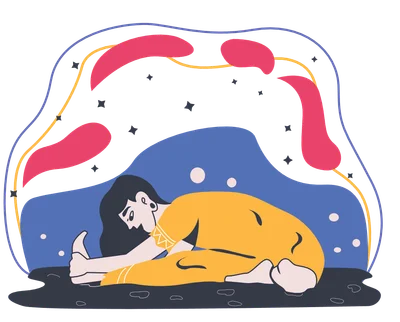
Category: Forward Bends
Forward Bends are asanas in which you gently stretch muscles and joints. They promote suppleness and mobility. Breathing in Forward Bends has a relaxing effect: you supply your muscles with oxygen and release tension.
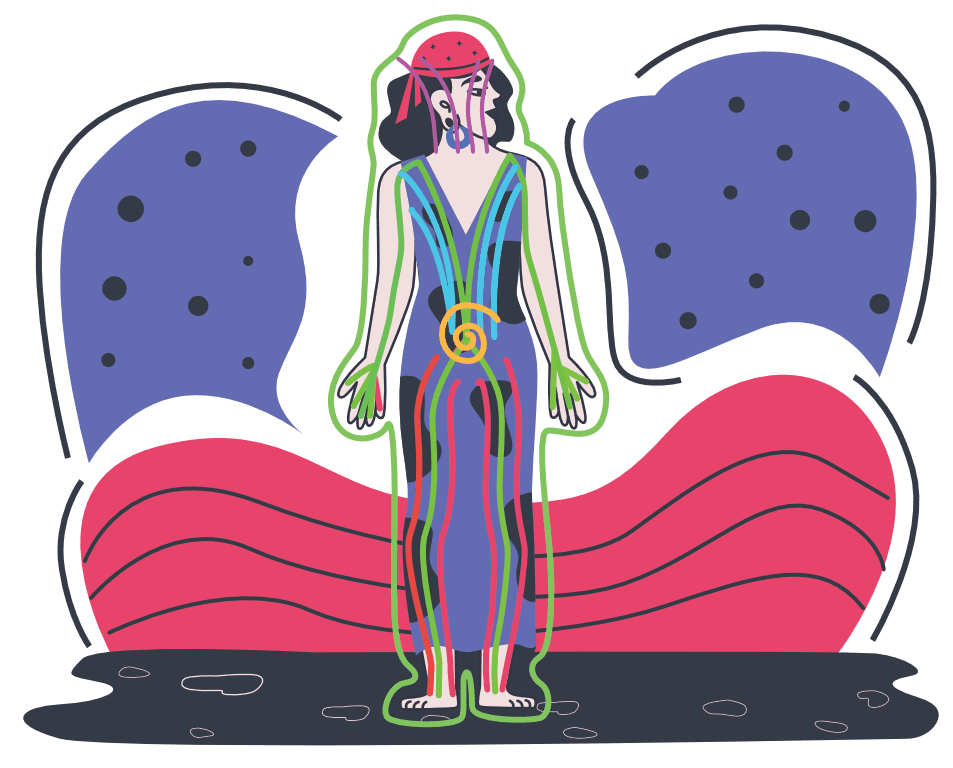
VAYUS
Each of the five Prana Vayus plays an essential role in our body and mind. They move and direct energy in specific directions, each with its own special area of influence and function. Head-to-Knee Forward Bend has its own unique effects on these vayus.
Apana Vayu – The Grounding Force
▼
Janu Sirsasana, or head-to-knee posture, effectively stimulates Apana Vayu, the downward-directed energy located in the lower part of the body. This asana supports the elimination and detoxification associated with Apana Vayu. By tilting the head downward, a grounding effect arises that contributes to stabilizing the mind. People with emotional restlessness could benefit from this asana.
Samana Vayu – The Balancing Force
▼
Through the gentle stretching and contracting of the abdominal area during Janu Sirsasana, Samana Vayu is stimulated, the balancing and centering energy in the navel region. This asana fosters digestion and balance in body and mind. Samana Vayu helps distribute energy effectively to all parts of the body. This could be especially beneficial for people who feel scattered or unbalanced.
Prana Vayu – Expansion of Consciousness
▼
The gentle forward fold in Janu Sirsasana stimulates the heart and lung area, where Prana Vayu, the ascending and inward-directed energy, is located. This asana fosters deep breathing, which calms the nervous system and increases the energy in the heart center. For people who feel down or lethargic, Janu Sirsasana could be helpful to bring freshness and vitality.
CHAKRAS
Swadhisthana Chakra (Sacral Chakra)
▼
Janu Sirsasana activates the Swadhisthana Chakra, located in the lower abdomen, near the sacrum. This chakra is often associated with emotions, sexuality and creativity. With its elemental quality of water, it stands for fluidity and adaptability.
Manipura Chakra (Solar Plexus Chakra)
▼
Through the bending and stretching of the abdominal area, Janu Sirsasana addresses the Manipura Chakra, located in the solar plexus area. This chakra stands for self-confidence, personal power and energy.
Ajna Chakra (Brow Chakra)
▼
Janu Sirsasana, with the head directed downward, calms the mind and fosters concentration, which addresses the Ajna Chakra, the third eye in the middle of the forehead. This chakra is often associated with intuition, wisdom and the capacity for self-reflection.
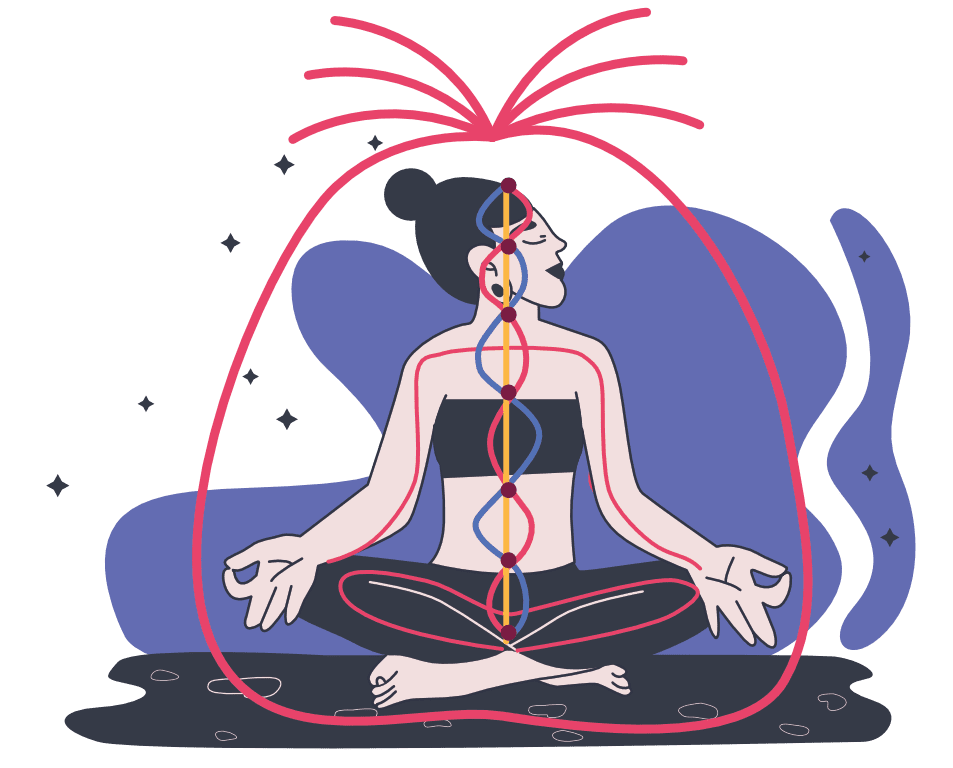
KOSHAS
Annamaya Kosha (Physical Body)
▼
Annamaya Kosha is the physical sheath, which refers to our material body. Janu Sirsasana works directly on this aspect by stretching and strengthening the leg, hip and back musculature. It improves flexibility and fosters a healthy alignment of the body.
Pranamaya Kosha (Energy Body)
▼
Pranamaya Kosha refers to our life energy, which manifests above all in our breath. Through the deep and conscious breathing in Janu Sirsasana, the Pranamaya Kosha is stimulated and the lung volume can expand.
Manomaya Kosha (Mental Body)
▼
The Manomaya Kosha refers to our emotional and mental body. Through the calm, inward-directed posture in Janu Sirsasana, we can better attend to our thoughts and emotions.
Vijnanamaya Kosha (Intellectual Body)
▼
The Vijnanamaya Kosha is the level of deeper knowledge and intuition. In Janu Sirsasana we have the opportunity to better understand our body and mind and thus reach a deeper level of self-knowledge.
Anandamaya Kosha (Spiritual Body)
▼
Anandamaya Kosha is the subtlest sheath, which represents our spiritual self. In the deep relaxation of Janu Sirsasana, we can connect with our innermost core and experience a state of bliss (Ananda).

DOSHAS
Vata
▼
Janu Sirsasana has a calming effect on the Vata dosha by centering the mind and stabilizing the body. The gentle forward fold helps calm the volatile and restless energy of Vata and foster a feeling of inner calm and serenity. For Vata-dominant people, this asana can be an effective practice to reduce nervousness and anxiety.
Pitta
▼
Janu Sirsasana also helps lower the Pitta dosha by reducing the heat in the body and fostering relaxation. The cooling and calming effect of this asana can help break down excess heat and irritability, which is beneficial for Pitta types. The gentle stretch and forward fold help calm the fiery temperament of Pitta and create a feeling of inner peace.
Kapha
▼
Janu Sirsasana supports the Kapha dosha by fostering stability and grounding in the body. This forward fold brings the body into a calm and relaxed position that strengthens the feeling of safety and security, which is typical of Kapha. The asana helps nourish and increase the Kapha dosha by supporting the calm and stable nature of this dosha.

Key Information for Correct Execution
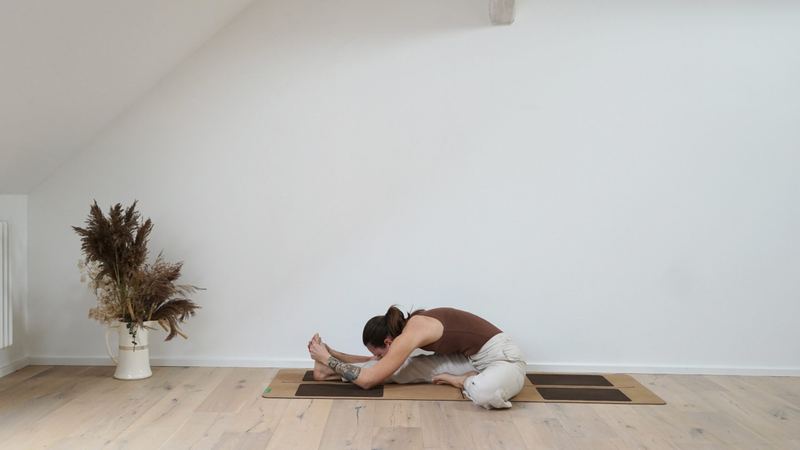
Meet Geraldine, a certified yoga teacher and psychology student who emphasizes mindfulness and alignment to inspire people toward a more peaceful life.
Common Mistakes
Common mistakes in this posture are a forced pulling into the forward fold and a rounded back. It is important not to see the goal as bringing the head to the leg, but rather to create maximum length in the lower back and the spine.
Our Tip
One tip is to consciously keep a straight and long spine during the posture. Focus on lengthening the back rather than concentrating on pulling into the forward fold. Respect the limits of your body and practice with mindfulness.
Physical Effect
Hip-Opening Helper
Janu Sirsasana is a hip-opening asana. The position fosters the flexibility of the hip flexors and the inner thigh muscles (adductors). Especially in people who sit a lot, these areas can be tense and hardened.
Fascinating Fascia
Our fascia, the connective-tissue network that runs through the entire body, is especially addressed in this asana. Janu Sirsasana allows a deep stretch of the fascia along the entire back of the body – from the lower back over the glute musculature down to the feet. This can lead to improved mobility and a loose, relaxed body feeling.
Hamstring Harmony
Janu Sirsasana works like a cozy embrace for your hamstrings, the large muscles on the back of your thighs. These muscles can shorten and tense through sedentary activities or lack of movement. The asana helps stretch and loosen this musculature gently, which improves flexibility and releases tension.
Effects on Psyche and Emotions
Emotional Healer
Janu Sirsasana can help release emotional blockages. In the yogic tradition, it is believed that emotions are often stored in the body's tissue. Through the gentle stretch, especially in the hip and pelvic area where many people store emotional tension, Janu Sirsasana can help dissolve these blockages.
Self-Worth Strengthener
The posture fosters a deeper awareness of your own body and can thereby strengthen self-worth. This can be especially valuable for people who struggle with self-doubt or low self-worth.
Serenity Giver
Janu Sirsasana, also known as the head-to-knee posture, invites inner contemplation. Through the concentration on the breath and the awareness of your own body, this asana can help reach a state of calm and balance.
Props
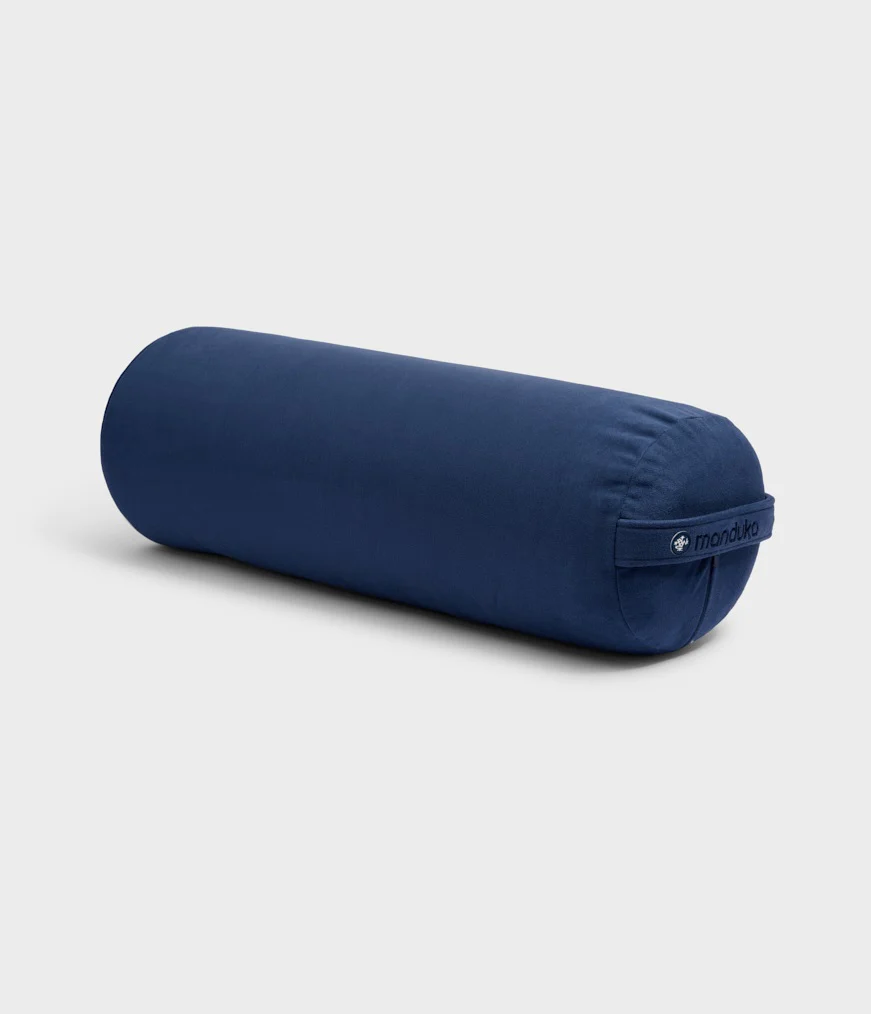
Also interesting!
Author of this Asana

Manish Rana is a certified yoga teacher and founder of asanaverse.de. He writes about topics around yoga, ayurveda and meditation. Manish owes his deep connection to yoga to his Indian roots, through which he came into contact with this practice early on.
Learn more about our team here →DISCOVER MORE
More Forward Bends
Get our free ebook with 108 asanas now!
With great care and passion, we have selected and described 108 of the most important asanas for you in detail!
Perfect for your practice and cues ;)
Thank you for being here!
Thank you for being here and being part of this ever-evolving platform! We strive to keep growing and improving.
Your feedback is invaluable. Namasté 🙏
Comments feature coming soon. 💬
Guide
Browse our guide now
Accessible Yoga Mobility: Chair Yoga and Inclusive Asanas for All Bodies
Ahimsa – Gewaltlosigkeit als Fundament des Yoga und Lebens
Yoga Sutras zusammengefasst – Kapitel 2 (Sadhana Pada): Pfad der Praxis
Meditation bei Überforderung und Angststörung: Achtsam bleiben in turbulenten Zeiten
12 Wege, das Sitzen in der Meditation zu erleichtern — Stabiler sitzen, tiefer meditieren
Brahmacharya: Quelle des Lebens für mehr Lebenskraft und Vitalität