
Tittibhasana
Firefly Pose
Unfold your wings with us in Tittibhasana Uncovered. Like a lively dragonfly hovering over the waters of a busy city, this firefly pose brings a dynamic mix of strength, balance and lightness into your urban life.
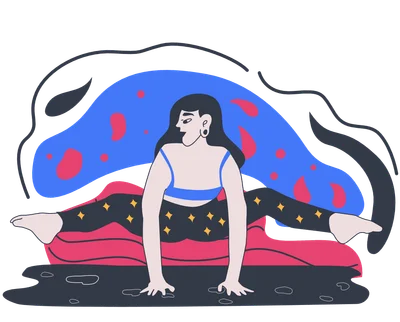
Category: Forward Bends
Forward Bends are asanas in which you gently stretch muscles and joints. They promote suppleness and mobility. Breathing in Forward Bends has a relaxing effect: you supply your muscles with oxygen and release tension.
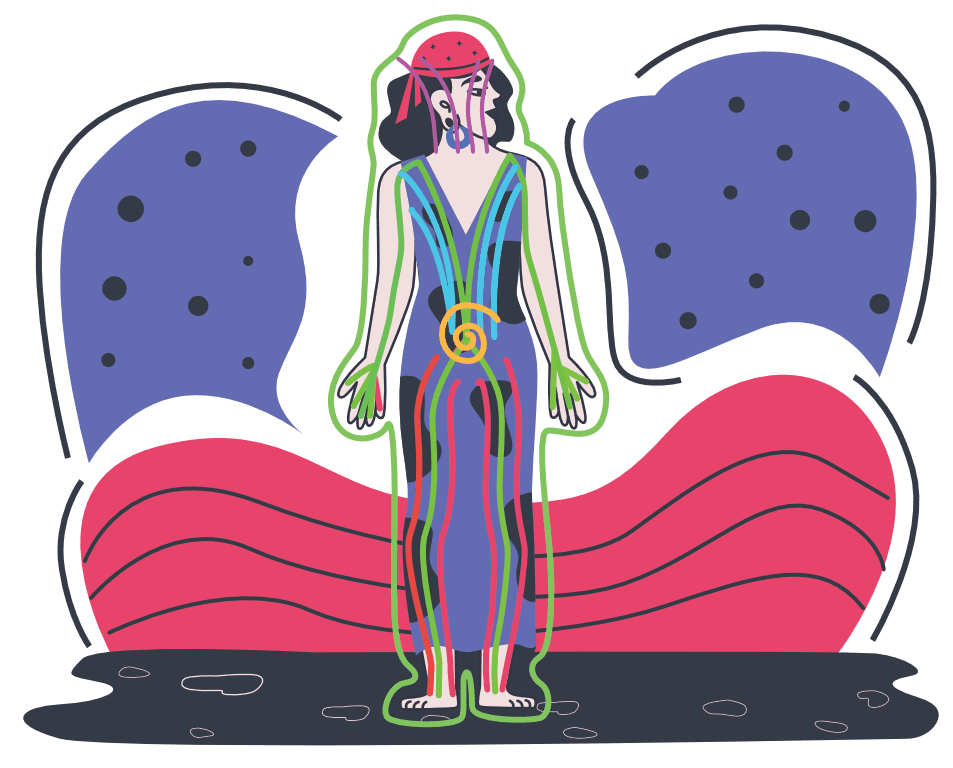
VAYUS
Each of the five Prana Vayus plays an essential role in our body and mind. They move and direct energy in specific directions, each with its own special area of influence and function. Firefly Pose has its own unique effects on these vayus.
Apana Vayu – The Grounding Force
▼
Tittibhasana, the firefly pose, is a powerful invitation for Apana Vayu, which sits in the lower abdomen and is responsible for elimination and reproduction. Through the intense activation of the abdominal muscles, the pose supports the natural function of Apana by stimulating the elimination processes and contributing to detoxification.
Samana Vayu – The Balancing Force
▼
Ruling in the center of the body, Samana Vayu takes care of processing and assimilation. Tittibhasana requires a balanced use of the body's strength and thereby supports the function of Samana, which leads to an improved distribution of energy in the body.
Prana Vayu – Expansion of Consciousness
▼
Prana Vayu, located in the chest area, is enlivened by Tittibhasana, as this pose requires deep breathing and thereby an expansion of the ribcage. The improvement of breathing capacity and the fostering of life energy are physical aspects, while mentally an increase in mental alertness and clarity is achieved.
CHAKRAS
Swadhisthana Chakra (Sacral Chakra)
▼
Located in the area of the sacrum, this chakra is connected with creativity and sexual energy. The intensity of Tittibhasana can help release energy blockages in this area and foster the flow of creative energy.
Muladhara Chakra (Root Chakra)
▼
As the base of Tittibhasana, this pose supports the feeling of stability and grounding. Although it is a challenging balance posture, it requires a deep rootedness and firmness that stimulates the root chakra and can convey a feeling of safety and connection with the earth.
Manipura Chakra (Solar Plexus Chakra)
▼
This posture activates the solar plexus chakra, the center of personal power, willpower and self-confidence. Tittibhasana requires and fosters strong core strength; strengthening this area can help increase self-confidence and the ability to master challenges in life.
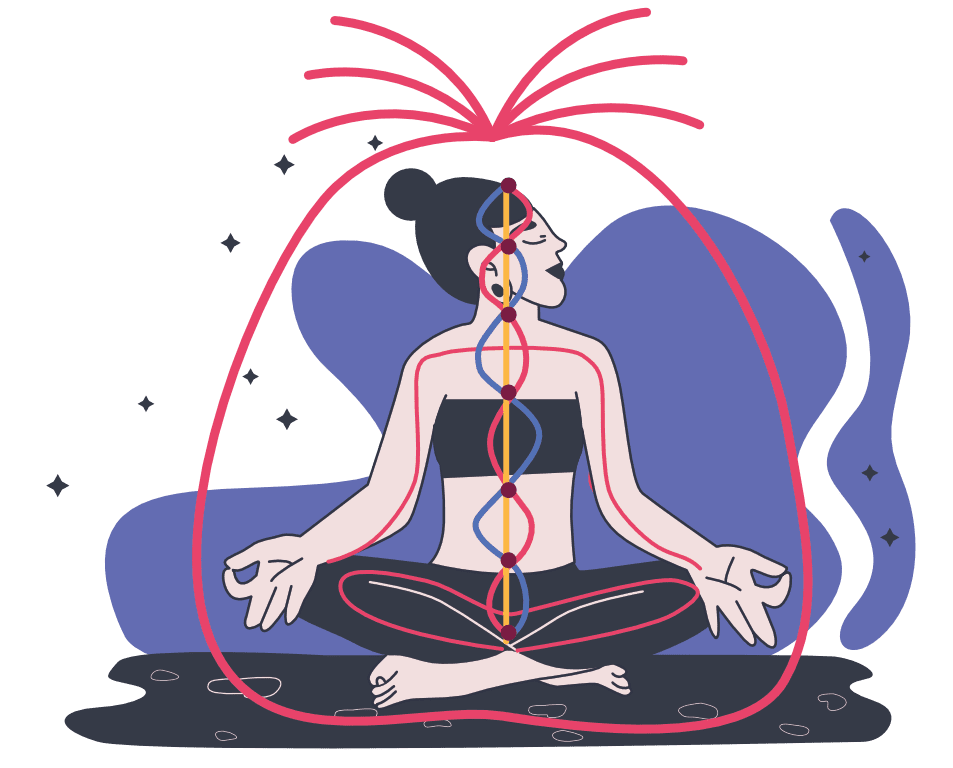
KOSHAS
Annamaya Kosha (Physical Body)
▼
The Annamaya Kosha is our material sheath, the physical body. Tittibhasana, or firefly pose, places high demands on the flexibility of the hips and the strength of the arms, wrists and core. This asana actively stretches the legs and the lower back, which can improve physical health.
Pranamaya Kosha (Energy Body)
▼
Pranamaya Kosha is the energy level connected with the breath and the life force (prana). Tittibhasana intensifies the flow of prana through the body by fostering deep breathing under physical tension.
Manomaya Kosha (Mental Body)
▼
Manomaya Kosha refers to the mental and emotional state. Tittibhasana requires concentration and presence to maintain balance and posture, which sharpens the mental functions and can balance emotions.
Vijnanamaya Kosha (Intellectual Body)
▼
Vijnanamaya Kosha is the layer of intuition and wisdom. Tittibhasana requires a deep understanding of your own body and a conscious alignment, which improves self-awareness and body awareness.
Anandamaya Kosha (Spiritual Body)
▼
The Anandamaya Kosha is our most spiritual layer, connected with joy, peace and bliss. Tittibhasana can generate a feeling of liberation and lightness that leads to an experience of Ananda when you feel free and competent in the pose.

DOSHAS
Vata
▼
Tittibhasana can calm the Vata dosha when performed with mindfulness and a calm breathing rhythm. This asana fosters grounding and concentration, which can help balance the scattered and restless tendencies of the Vata dosha. By practicing the pose slowly and consciously, Vata can be stabilized and a feeling of inner calm fostered.
Pitta
▼
Although Tittibhasana is challenging, it can calm the Pitta dosha when approached with patience and without excessive ambition. This asana fosters the focusing of energy in a way that supports Pitta without fanning the inner fire too much. Pitta types can benefit from the pose by learning to channel their energy with mindfulness, which helps avoid overheating and impatience.
Kapha
▼
Tittibhasana is an energizing asana that increases the Kapha dosha by fostering inner stability and strength. This pose brings warmth and energy into the body, which helps enliven the often sluggish nature of Kapha and stimulate digestion and metabolism. Kapha types can benefit from the activation through Tittibhasana, as it strengthens inner vitality and the urge to move.

Key Information for Correct Execution
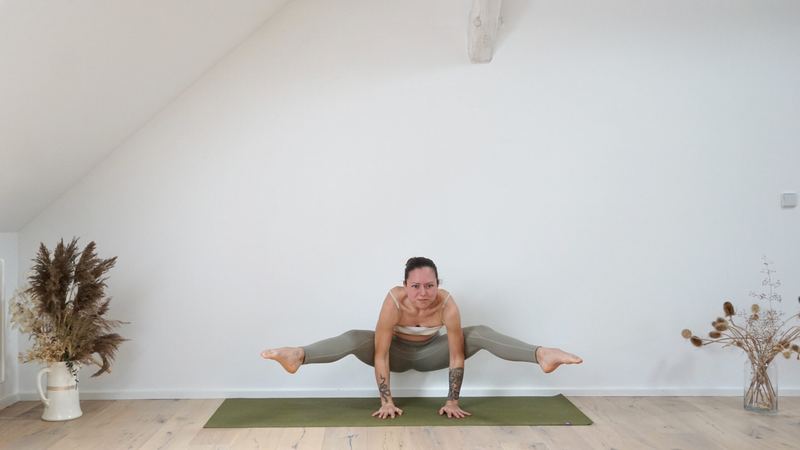
Meet Geraldine, a certified yoga teacher and psychology student who emphasizes mindfulness and alignment to inspire people toward a more peaceful life.
Common Mistakes
A mistake to avoid is not placing the hands wide enough and not spreading the palms wide enough.
Our Tip
A tip for this posture is to keep your legs as straight as possible. Through the leverage from pressing against the upper arms, you can extend the legs even further and make the posture more stable.
Physical Effect
Core Strength and Stability
Tittibhasana, also known as the firefly pose, intensely challenges the core musculature, including the transversus abdominis, the oblique muscles and the rectus abdominis. This profound activation of the core improves overall stability and posture, which is crucial for supporting the spine and reducing the risk of back complaints.
Shoulder and Arm Musculature
In Tittibhasana, the shoulder-girdle musculature is heavily engaged, especially the deltoids, the rotator cuff and the muscles of the upper arm such as the biceps and triceps. This intense engagement strengthens the shoulder and arm musculature, improves the stability and mobility of the shoulder joints and can reduce the risk of injury in these areas.
Leg Flexibility and Strength
Tittibhasana requires considerable flexibility and strength in the legs, especially in the ischiocrural muscles (hamstrings) and the adductors. Stretching these muscle groups improves the flexibility of the legs and supports circulation, while the isometric contraction contributes to strengthening the musculature. This can increase the performance of the legs and reduce the risk of muscle strains or injuries.
Effects on Psyche and Emotions
Self-Transcendence and Courage
Tittibhasana requires and fosters courage, as practitioners have to reach beyond the familiar both physically and mentally. Area of life: This can help you face new challenges and expand personal limits.
Creativity and Adaptability
The firefly pose is an example of how you can be creative in adjusting and balancing your own posture.
Focused Determination
Tittibhasana demands a focused determination and the maintaining of a clear intention to perform the pose successfully. Area of life: This can manifest in an improved ability to stick to goals and resist distractions.
Props

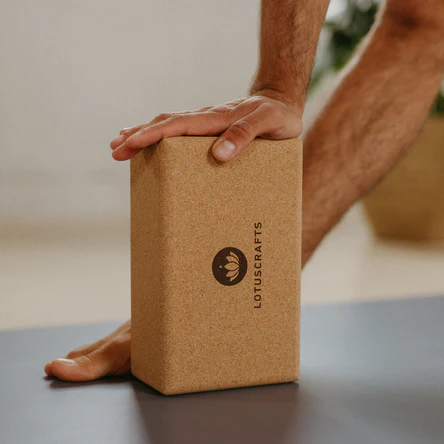
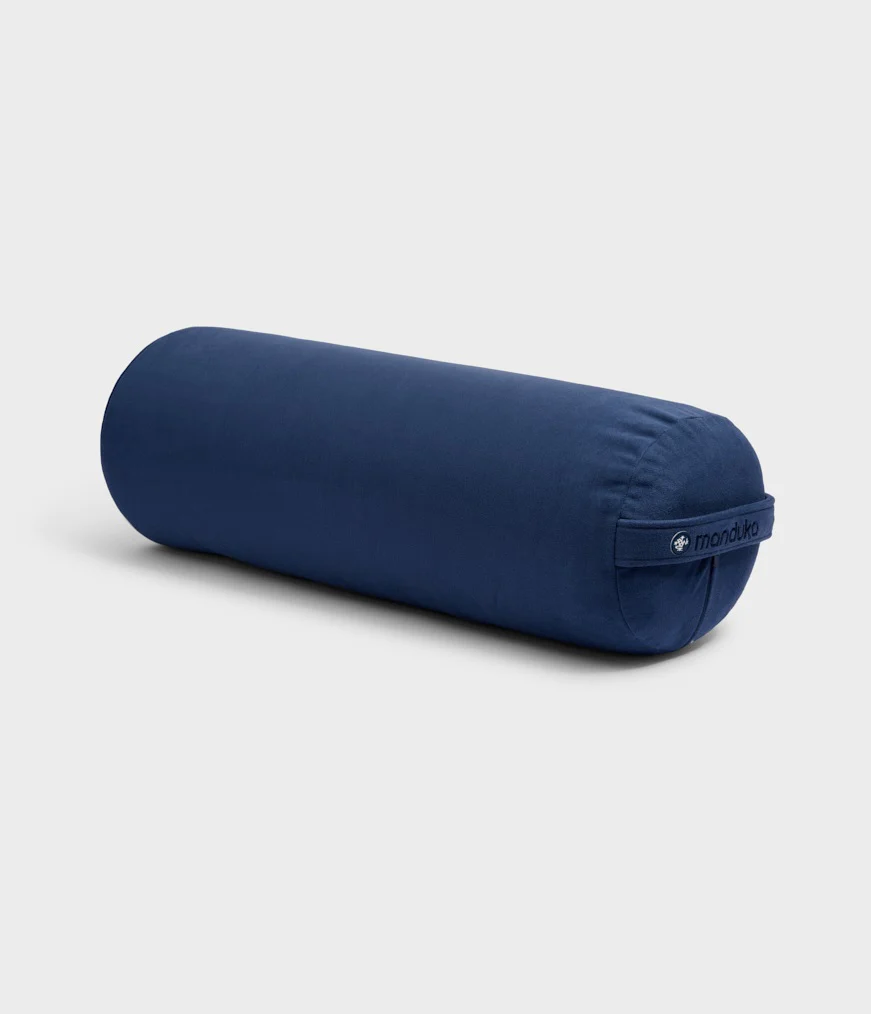
Also interesting!
Author of this Asana

Manish Rana is a certified yoga teacher and founder of asanaverse.de. He writes about topics around yoga, ayurveda and meditation. Manish owes his deep connection to yoga to his Indian roots, through which he came into contact with this practice early on.
Learn more about our team here →DISCOVER MORE
More Forward Bends

Get our free ebook with 108 asanas now!
With great care and passion, we have selected and described 108 of the most important asanas for you in detail!
Perfect for your practice and cues ;)
Thank you for being here!
Thank you for being here and being part of this ever-evolving platform! We strive to keep growing and improving.
Your feedback is invaluable. Namasté 🙏
Comments feature coming soon. 💬
Guide
Browse our guide now

Accessible Yoga Mobility: Chair Yoga and Inclusive Asanas for All Bodies
Ahimsa – Gewaltlosigkeit als Fundament des Yoga und Lebens
Yoga Sutras zusammengefasst – Kapitel 2 (Sadhana Pada): Pfad der Praxis
Meditation bei Überforderung und Angststörung: Achtsam bleiben in turbulenten Zeiten
12 Wege, das Sitzen in der Meditation zu erleichtern — Stabiler sitzen, tiefer meditieren
Brahmacharya: Quelle des Lebens für mehr Lebenskraft und Vitalität