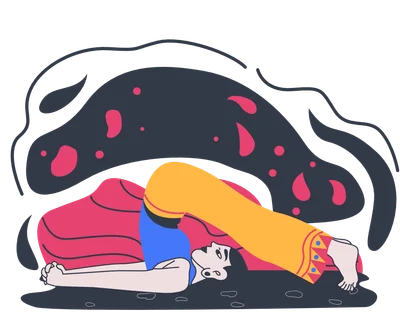
Halasana
Plow Pose
Set off with us on an overturning journey in Halasana Uncovered. Like a plow that turns the soil of the urban gardens, the plow pose brings a profound inversion and reorientation.
Category: Forward Bends
Forward Bends are asanas in which you gently stretch muscles and joints. They promote suppleness and mobility. Breathing in Forward Bends has a relaxing effect: you supply your muscles with oxygen and release tension.
VAYUS
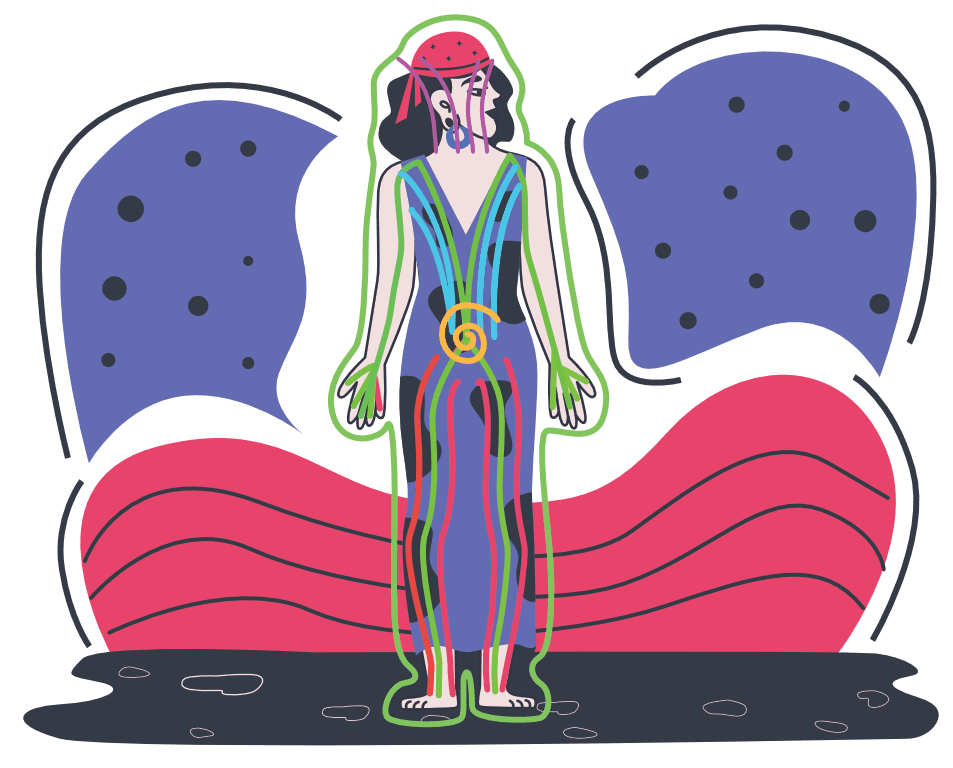
Each of the five Prana Vayus plays an essential role in our body and mind. They move and direct energy in specific directions, each with its own special area of influence and function. Plow Pose has its own unique effects on these vayus.
Apana Vayu – The Grounding Force
▼
Anchored in the lower pelvic area, Apana Vayu is the energetic counterpart to gravity. Halasana cultivates Apana Vayu by using natural gravity to increase the pressure on the abdominal organs, which brings about a gentle cleansing. Physically this can stimulate the elimination functions and contribute to detoxification; mentally it fosters the letting go of old burdens.
Samana Vayu – The Balancing Force
▼
The balance between receiving and distributing energy in the center of the body is represented by Samana Vayu. Halasana balances Samana Vayu by stretching the spine and compressing the abdomen. Physically it supports the digestive energy; mentally it fosters a feeling of balance and calm.
Udana Vayu – The Ascending Energy
▼
Located in the throat area, Udana Vayu stands for communication and growth. Halasana activates Udana Vayu through the position of the neck and the associated stimulation of the thyroid. Physically this can lead to an improvement of the voice and a feeling of openness in the throat area; mentally it fosters clear communication and creative self-expression.
CHAKRAS
Manipura Chakra (Solar Plexus Chakra)
▼
Halasana compresses the abdominal area, which stimulates the Manipura Chakra in the solar plexus. This chakra is the center of willpower and self-confidence. The gentle pressure on the abdomen fans the inner fire and can strengthen determination and personal power.
Vishuddha Chakra (Throat Chakra)
▼
Halasana exerts a gentle pressure on the throat region, which stimulates the Vishuddha Chakra. This chakra is the center of communication and self-expression. Through the activation of the Vishuddha Chakra in this pose, the ability to express yourself clearly and authentically can be improved, and blockages in the area of creativity and communication can be released.
Ajna Chakra (Brow Chakra)
▼
The inverted posture in Halasana fosters an increased blood supply to the head, which stimulates the Ajna Chakra, also known as the third eye. This chakra is connected with intuition, mental clarity and self-knowledge. Through the activation of the Ajna Chakra, this pose can lead to an improved inner perception and a deeper awareness, which helps you develop a clear and focused view of your life.
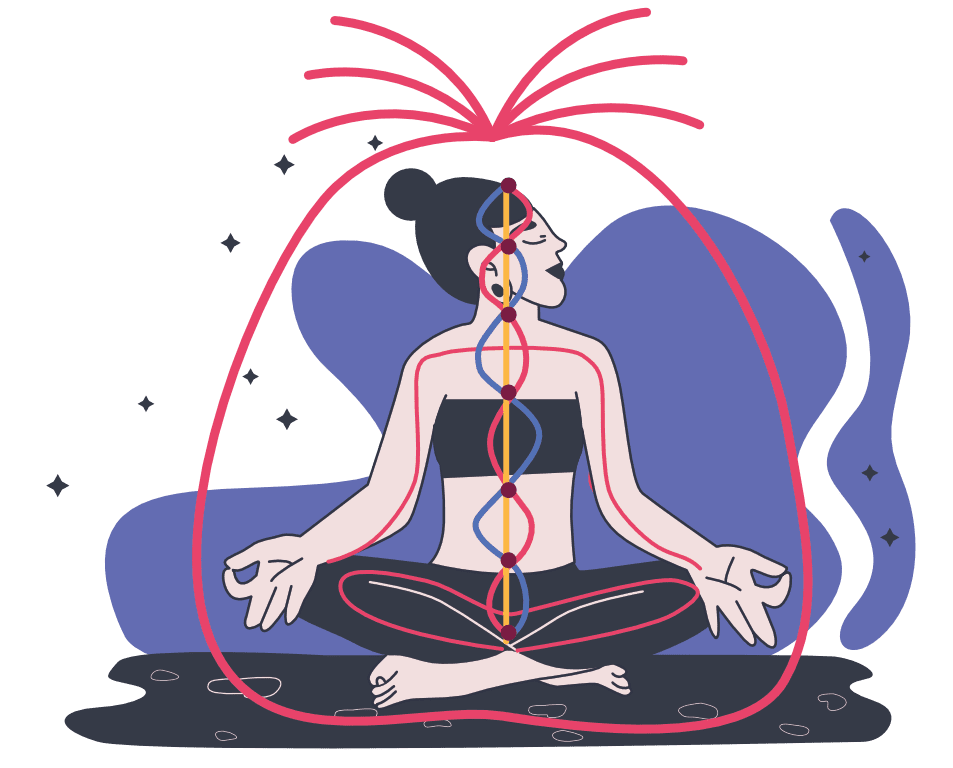
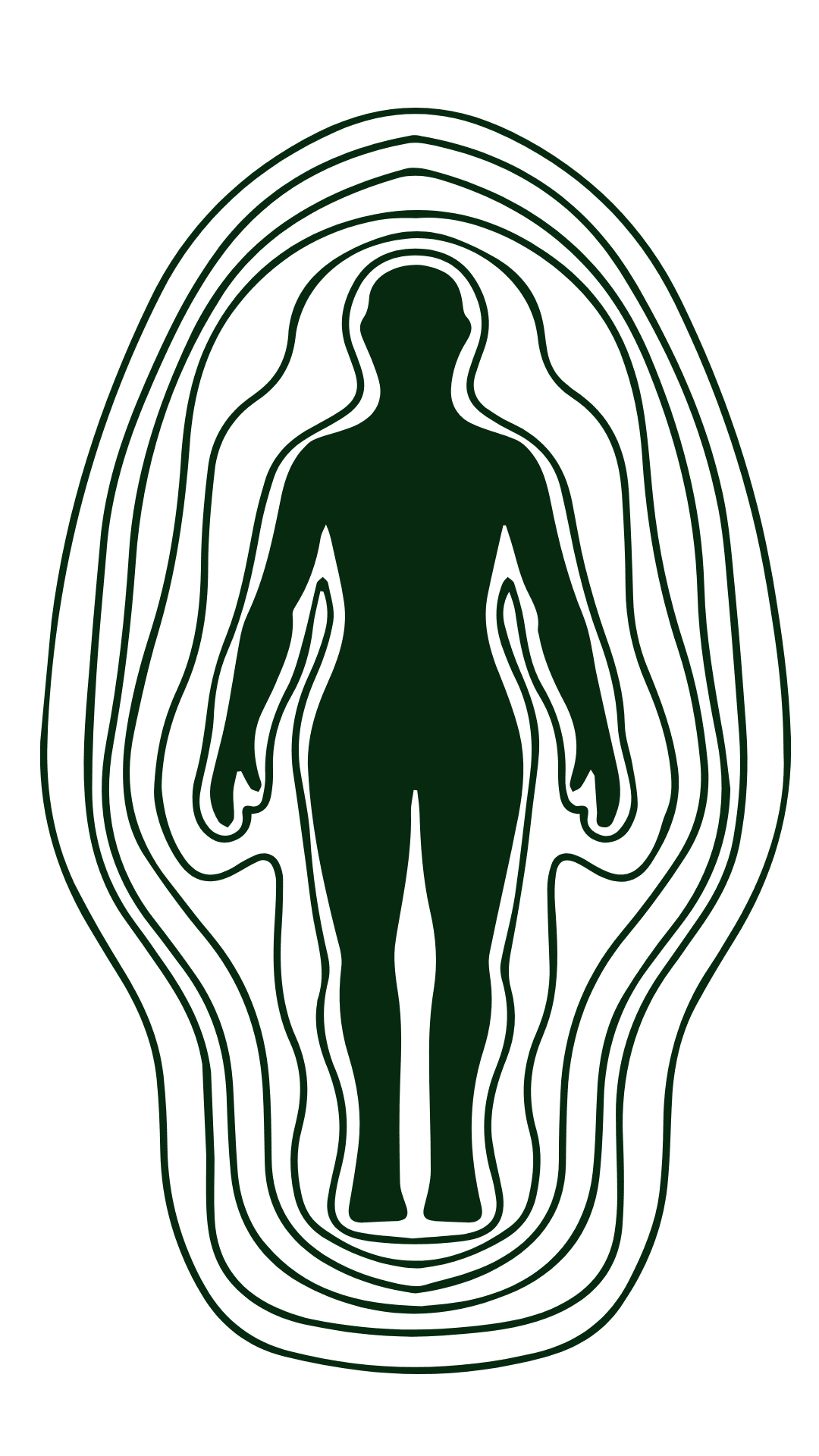
KOSHAS
Annamaya Kosha (Physical Body)
▼
Annamaya Kosha is the physical level of our being. Halasana, the plow pose, stretches the back musculature and supports a healthy flexibility of the spine.
Pranamaya Kosha (Energy Body)
▼
Pranamaya Kosha is the energetic layer connected with the circulation of prana. Halasana fosters the flow of prana in the body through the inverted posture, which especially stimulates the throat chakra and the third eye.
Manomaya Kosha (Mental Body)
▼
Manomaya Kosha comprises the mental and emotional aspect of our being. Halasana can calm the mind and lead to a state of deep relaxation.
Vijnanamaya Kosha (Intellectual Body)
▼
Vijnanamaya Kosha refers to the layer of intuition and higher understanding. The inversion in Halasana can sharpen inner perception and deepen awareness of the body.
Anandamaya Kosha (Spiritual Body)
▼
Anandamaya Kosha is the layer of pure happiness and spiritual perfection. Halasana can generate feelings of freedom and detachment that contribute to a state of bliss.
DOSHAS
Vata
▼
While Halasana could potentially increase the Vata dosha through its inverted nature and the stimulation of the sensory organs, the grounding effect of the pose, when practiced calmly and with appropriate support, helps balance the Vata.
Pitta
▼
The cooling effect of Halasana can balance the Pitta dosha, as the pose draws the “heat” of the body downward and fosters a calm mental state. The calming effect on the heart and the mind can help reduce Pitta-typical qualities such as irritability and impatience.
Kapha
▼
Halasana, the plow pose, supports mobility and detoxification, which can bring about a reduction of the Kapha dosha. The inversion and the pressure on the abdominal area can stimulate digestion and help dissolve mucus and stagnation, which are often connected with Kapha.

Key Information for Correct Execution
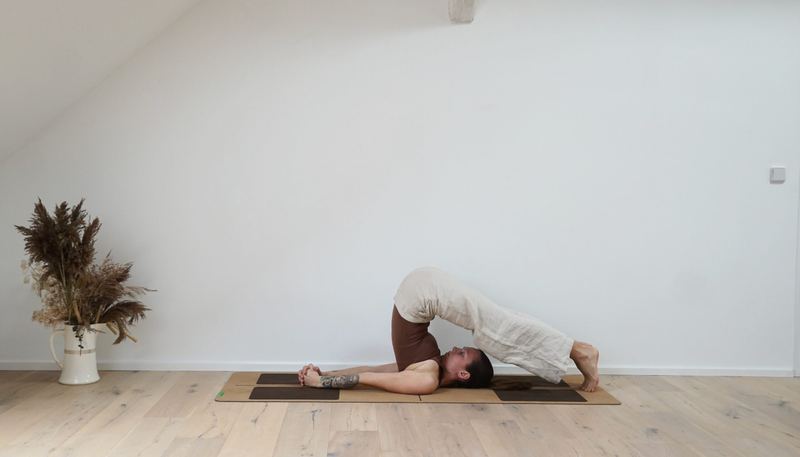
Meet Geraldine, a certified yoga teacher and psychology student who emphasizes mindfulness and alignment to inspire people toward a more peaceful life.
Common Mistakes
An important mistake you should avoid is moving the head to the right or left during the posture. Keep the back of your head extended long on the floor.
Our Tip
One tip is to practice the plow posture only if you have a healthy cervical spine. If this is not the case, you can instead perform an alternative forward fold such as the seated forward bend.
Physical Effect
Spinal Flexibility
Halasana fosters an intense flexion of the spine, which leads to a stretch of the paravertebral muscles and improves the mobility of the spine. Through this flexion, pressure is also exerted on the intervertebral discs, which can foster intervertebral nutrient intake and contribute to the prevention of disc problems.
Thyroid Stimulation
The position of the chin in Halasana, pressed against the throat, stimulates the thyroid, which is located in the front throat area. This gentle compression can lead to an increased secretion of thyroid hormones, which regulate the metabolism and play a role in maintaining the calcium balance.
Parasympathetic Support
Through the inversion and the associated calm and closed position, Halasana can activate the parasympathetic nervous system, which leads to a reduction of stress reactions and a fostering of relaxation. This parasympathetic activation can improve digestion and sleep and generally have a calming effect on the body.
Effects on Psyche and Emotions
Liberated Perception
In Halasana, the horizon of the mind is literally expanded, while the gaze and attention are directed inward. This pose fosters an open and liberated perception that reaches beyond the edge of the mat.
Serene Acceptance
The plow pose challenges acceptance, as it brings the practitioner into a vulnerable posture that is at once strong and gentle. This acceptance can carry over to mental processes, creating a space for serenity and the acceptance of life's circumstances.
Restful Inversion
Halasana, the plow pose, is an invitation to the mind to detach from the hustle of everyday life and immerse itself in a state of deep inner calm. By inverting the usual body alignment, this pose enables a new perspective and creates mental stillness.
Props
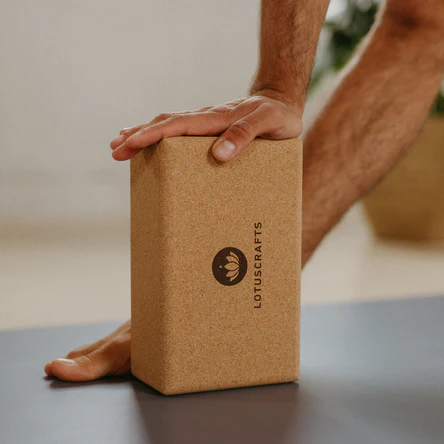
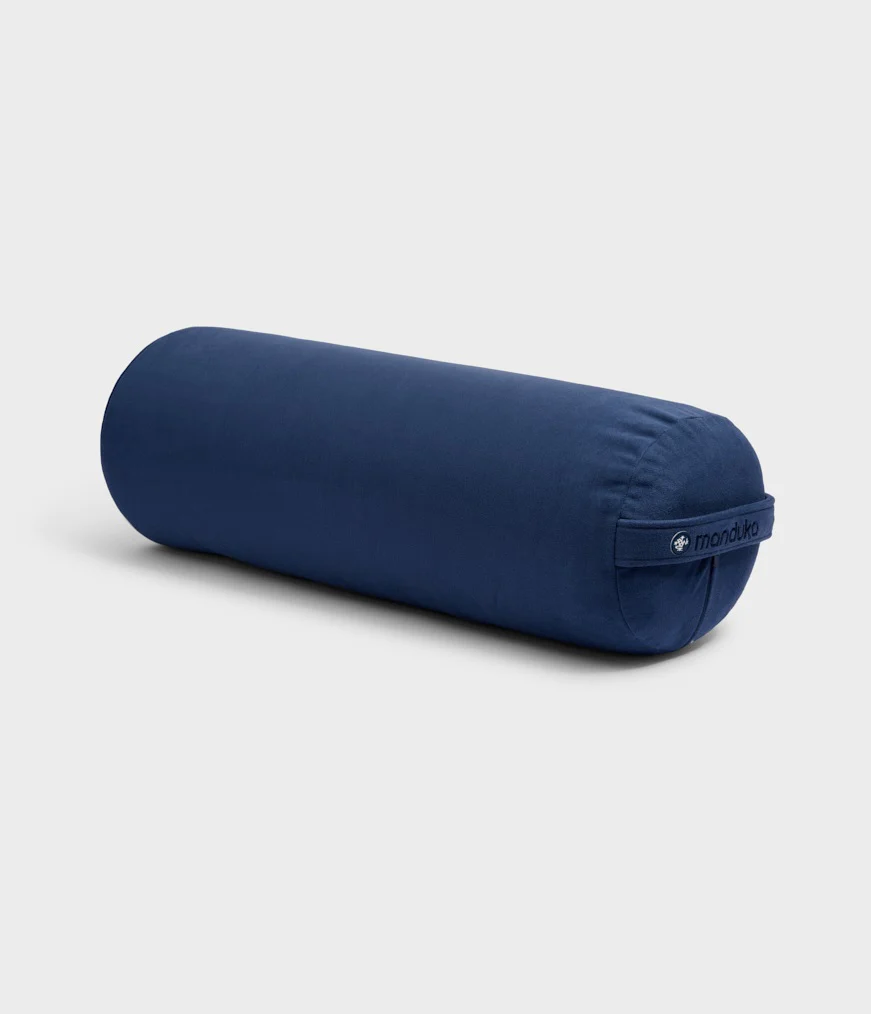
Also interesting!
Author of this Asana
Manish Rana is a certified yoga teacher and founder of asanaverse.de. He writes about topics around yoga, ayurveda and meditation. Manish owes his deep connection to yoga to his Indian roots, through which he came into contact with this practice early on.
Learn more about our team here →DISCOVER MORE
More Forward Bends
Get our free ebook with 108 asanas now!
With great care and passion, we have selected and described 108 of the most important asanas for you in detail!
Perfect for your practice and cues ;)
Thank you for being here!
Thank you for being here and being part of this ever-evolving platform! We strive to keep growing and improving.
Your feedback is invaluable. Namasté 🙏
Comments feature coming soon. 💬
Guide
Browse our guide now
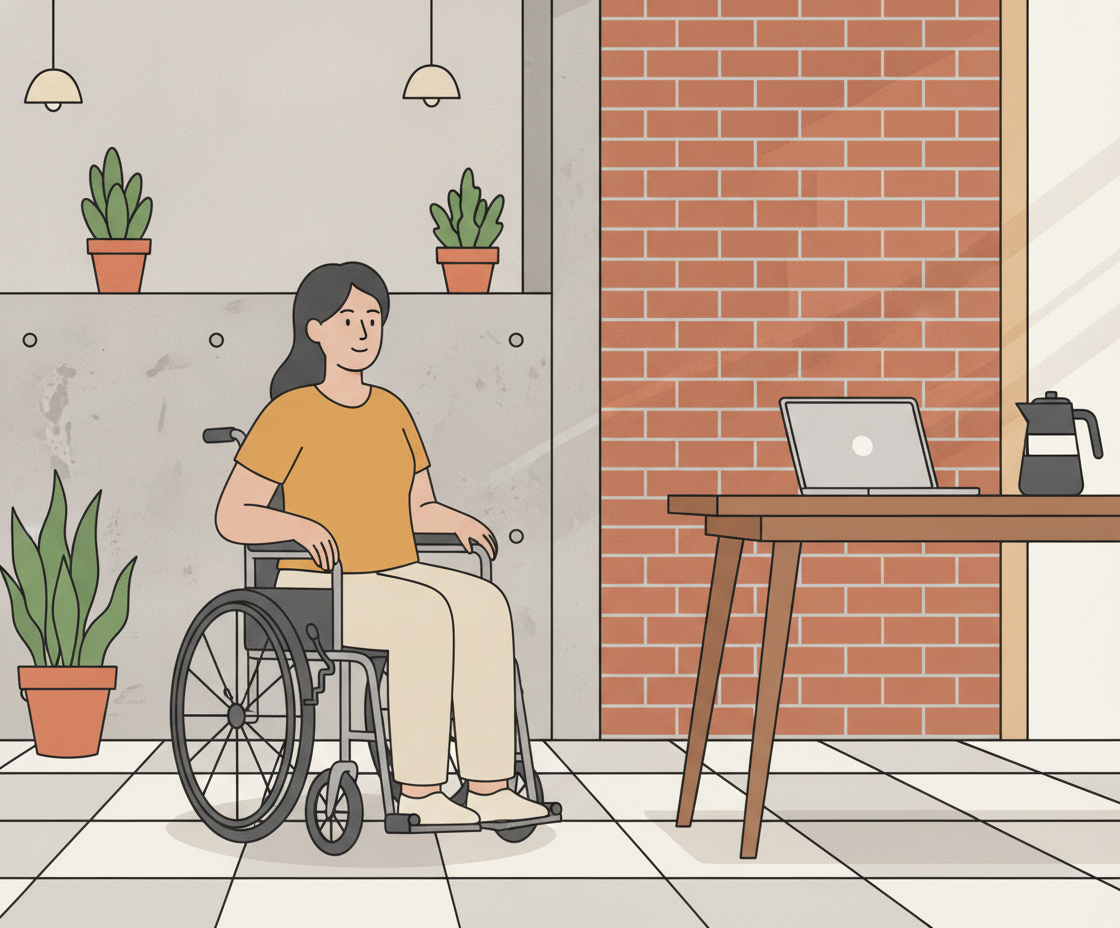
Accessible Yoga Mobility: Chair Yoga and Inclusive Asanas for All Bodies
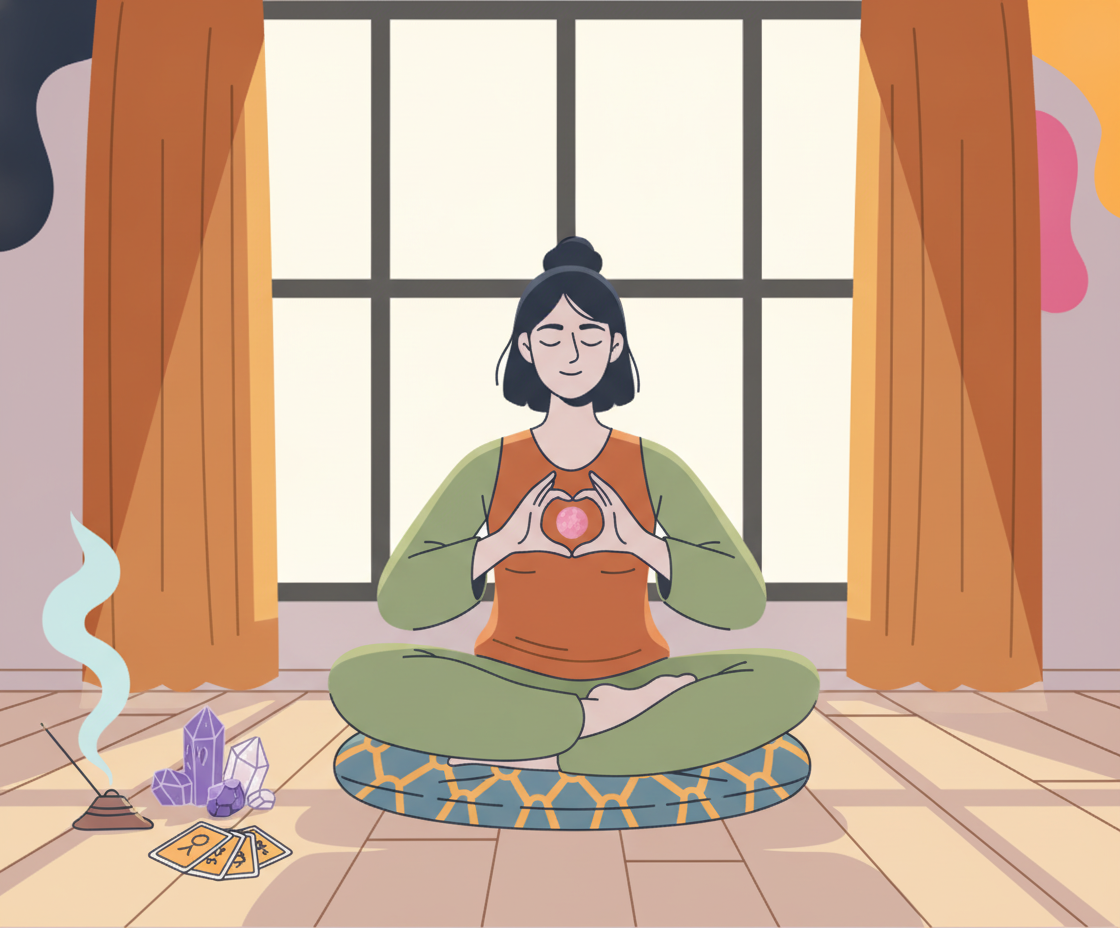
Ahimsa – Gewaltlosigkeit als Fundament des Yoga und Lebens
Yoga Sutras zusammengefasst – Kapitel 2 (Sadhana Pada): Pfad der Praxis
Meditation bei Überforderung und Angststörung: Achtsam bleiben in turbulenten Zeiten
12 Wege, das Sitzen in der Meditation zu erleichtern — Stabiler sitzen, tiefer meditieren
Brahmacharya: Quelle des Lebens für mehr Lebenskraft und Vitalität