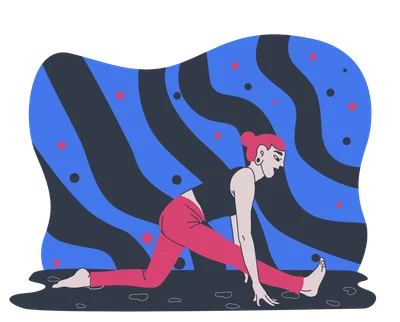
Ardha Hanumanasana
Half Splits
Welcome to the mystical arena of our Ardha Hanumanasana Uncovered. Like a calm moon reflected in the mirroring windows of your skyscrapers, this half monkey pose brings serenity into your pulsing rhythm of life.
Category: Forward Bends
Forward Bends are asanas in which you gently stretch muscles and joints. They promote suppleness and mobility. Breathing in Forward Bends has a relaxing effect: you supply your muscles with oxygen and release tension.
VAYUS
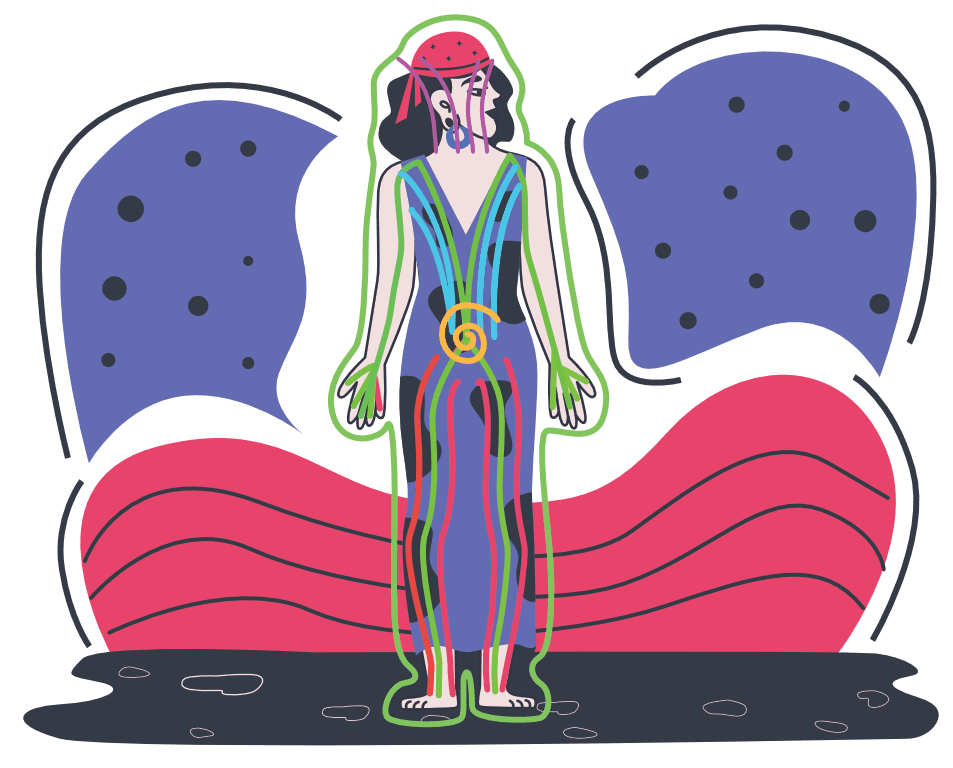
Each of the five Prana Vayus plays an essential role in our body and mind. They move and direct energy in specific directions, each with its own special area of influence and function. Half Splits has its own unique effects on these vayus.
Apana Vayu – The Grounding Force
▼
This downward-directed energy sits mainly in the lower abdomen and is responsible for elimination and reproduction. Ardha Hanumanasana works with Apana Vayu by stretching the hips and thigh musculature, which can help stimulate the elimination of waste products and toxins from the body.
Samana Vayu – The Balancing Force
▼
This vayu, concentrated in the region around the navel, is responsible for the digestion and assimilation of nutrients. Ardha Hanumanasana requires the engagement of the abdominal musculature for balance and alignment and can thus stimulate this vayu, which potentially supports digestion and nutrient absorption.
~
▼
~
CHAKRAS
Muladhara Chakra (Root Chakra)
▼
Ardha Hanumanasana fosters the stability and grounding that the Muladhara Chakra represents. This chakra is located at the lower end of the spine, and its sensory function is the sense of feeling. Its quality is safety and survival.
Swadhisthana Chakra (Sacral Chakra)
▼
This asana opens the hips and thus strengthens the Svadhisthana Chakra, located in the lower abdominal area, below the navel. Its sensory function is taste, and its qualities are creativity and sexuality.
Manipura Chakra (Solar Plexus Chakra)
▼
While Ardha Hanumanasana is aimed less directly at the Manipura Chakra, the conscious direction of the breath during the posture can foster the fire of this chakra. The Manipura Chakra is located in the solar plexus, its sensory function is sight and its qualities are willpower and transformation.
KOSHAS
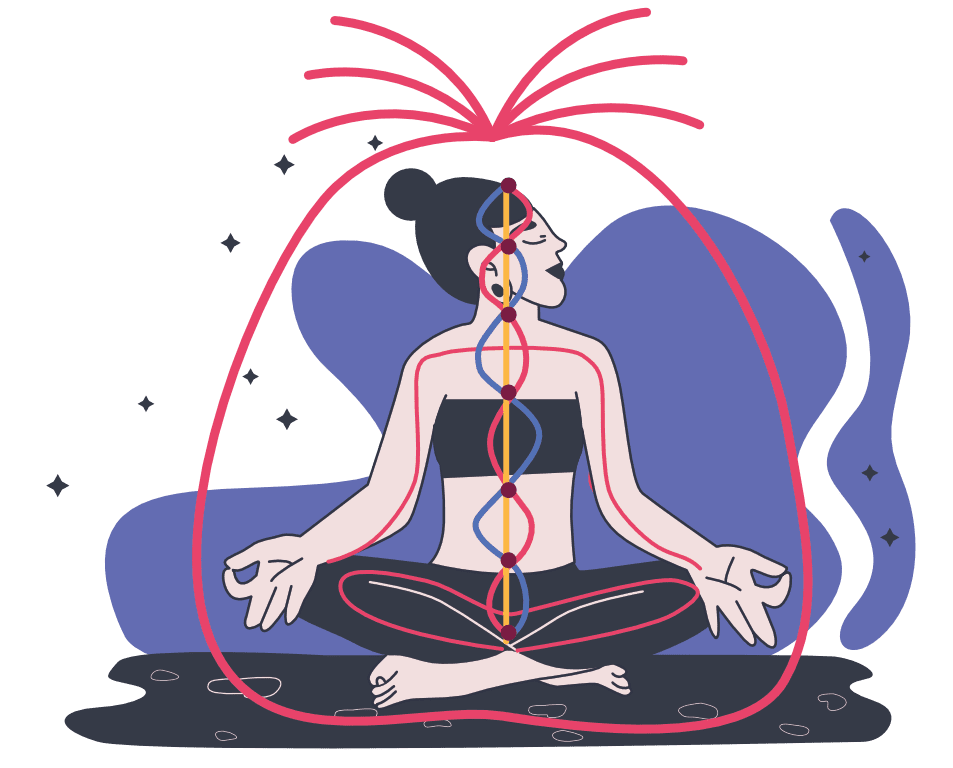
Annamaya Kosha (Physical Body)
▼
The Annamaya Kosha is the physical layer that comprises the body. Ardha Hanumanasana works intensively on this level by strengthening and stretching the leg musculature, especially the hip flexors and thighs. A student who suffers from hip stiffness could benefit from this asana by incorporating it into their daily practice.
Pranamaya Kosha (Energy Body)
▼
The Pranamaya Kosha is the energy level that refers to the flow of prana or life energy. Ardha Hanumanasana helps improve the flow of energy, especially in the lower body area, by releasing blockages in the hip and pelvic regions. A person who feels energetically exhausted could use this asana to replenish their life energy.
Manomaya Kosha (Mental Body)
▼
The Manomaya Kosha refers to the mind and the emotions. The practice of Ardha Hanumanasana requires concentration and mental focus, which can help calm the mind and break down emotional strain. A student who feels anxious or stressed could use this asana to calm their mind and balance their emotional state.
Vijnanamaya Kosha (Intellectual Body)
▼
The Vijnanamaya Kosha refers to knowledge and awareness. Although Ardha Hanumanasana mainly addresses physical and energetic aspects, the concentration required to perform the asana can contribute to the development of mindfulness and awareness.
Anandamaya Kosha (Spiritual Body)
▼
The Anandamaya Kosha is the innermost layer and represents a state of deep joy and peace. Ardha Hanumanasana, when performed with mindfulness and in harmony with the breath, can help reach this state of inner bliss.

DOSHAS
Vata
▼
Vata is the most mobile dosha and represents movement and change. But sometimes Vata can make us too airy and we feel scattered or restless. Ardha Hanumanasana, with its grounding nature, is like an anchor for your ship in the stormy sea of life. It helps you center and ground yourself again.
Pitta
▼
Pitta, the spirited one among the doshas, represents metabolism, warmth and energy – like your internal coffee maker. But too much Pitta can overheat you. This is where Ardha Hanumanasana comes in: the asana calms the fire and brings you into balance when you feel a little too fiery. So the next time you feel like you're about to boil over, hop into Ardha Hanumanasana!
Kapha
▼
Kapha dosha represents stability, structure and groundedness – not unlike your favorite armchair, except that it doesn't tempt you to watch Netflix all night. Ardha Hanumanasana is quite good at getting Kapha going. The intense stretch and activation of the leg musculature can help break through sluggishness (or your series marathon). So the next time you feel the couch holding you firmly in its grip, try Ardha Hanumanasana!

Physical Effect
Flexibility and Balance
Ardha Hanumanasana can improve the flexibility of the hamstrings and the hips. For runners or cyclists who often struggle with tight thighs, this is a great benefit.
Strengthening the Lower Body
The pose strengthens and tones the thighs and the hip musculature. Think of the daily demands placed on our legs, whether climbing stairs, running or lifting objects – this asana helps master these challenges more easily.
Improving Posture
Ardha Hanumanasana improves body alignment and posture by stretching and balancing the muscles involved in the alignment of the spine. This is especially important for everyone who spends a lot of time sitting at a desk and thereby struggles with the effects of poor posture.
Effects on Psyche and Emotions
Letting Go of Old Burdens
Emotional blockages, especially in the hips, can be released through Ardha Hanumanasana. Perhaps you remember a time when you felt you were carrying a heavy burden – by stretching the hips in this pose, we can let go of old ballast and create space for the new.
Trust in Your Own Strength
Ardha Hanumanasana is an intense stretching pose that challenges us both physically and mentally. Persevering can build self-confidence and help us recognize our inner strength.
Serenity in the Storm
Practicing Ardha Hanumanasana can foster emotional balance. In this pose, we have to recognize and respect our limits, which fosters patience and acceptance. Who doesn't know the feeling of wanting to jump out of your skin in heated moments? Holding this pose can teach us to keep a cool head in such moments.
Props
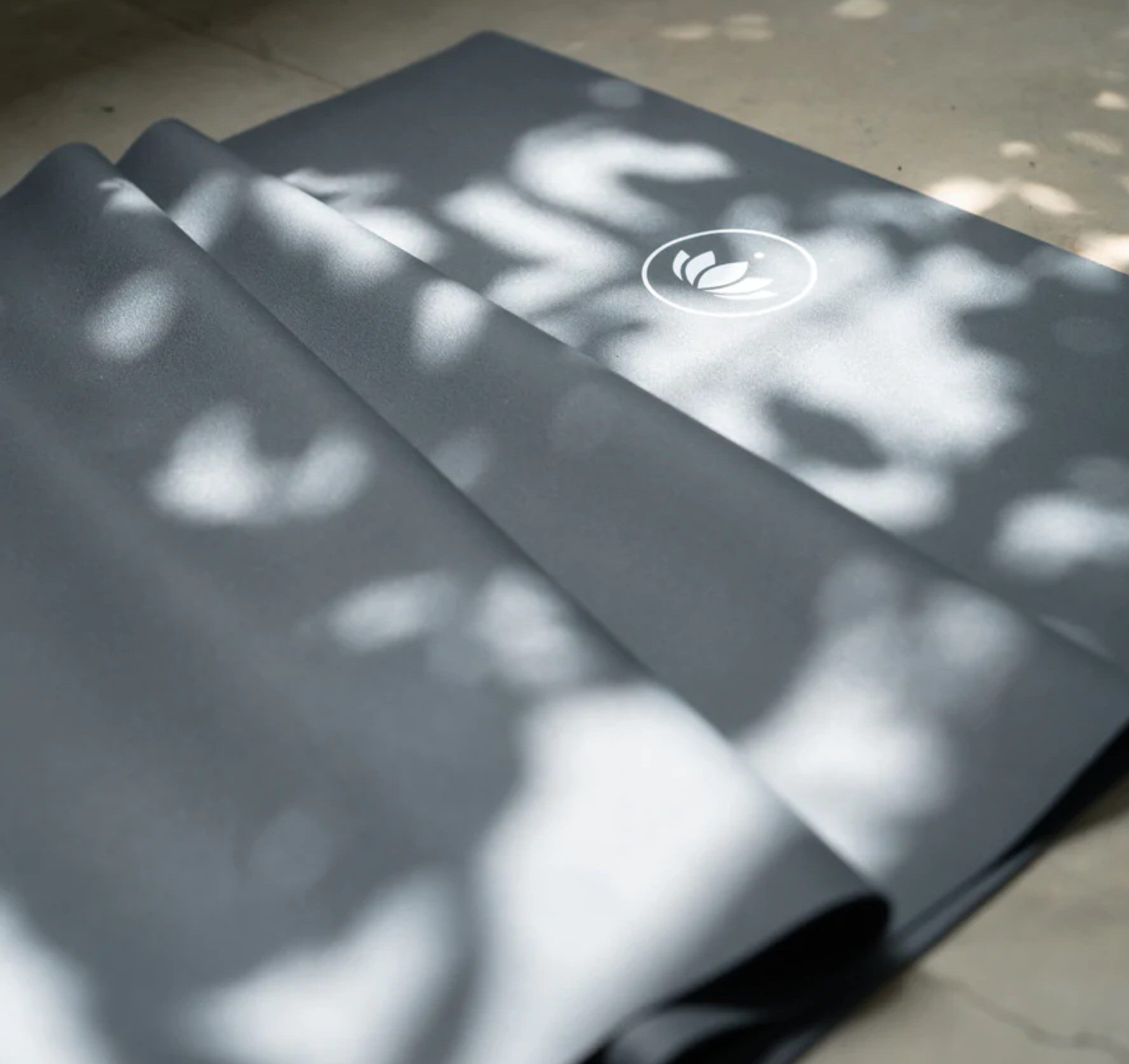

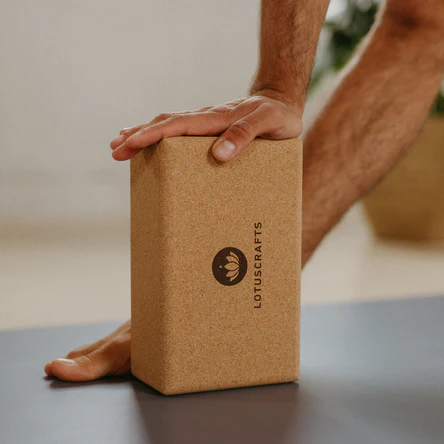
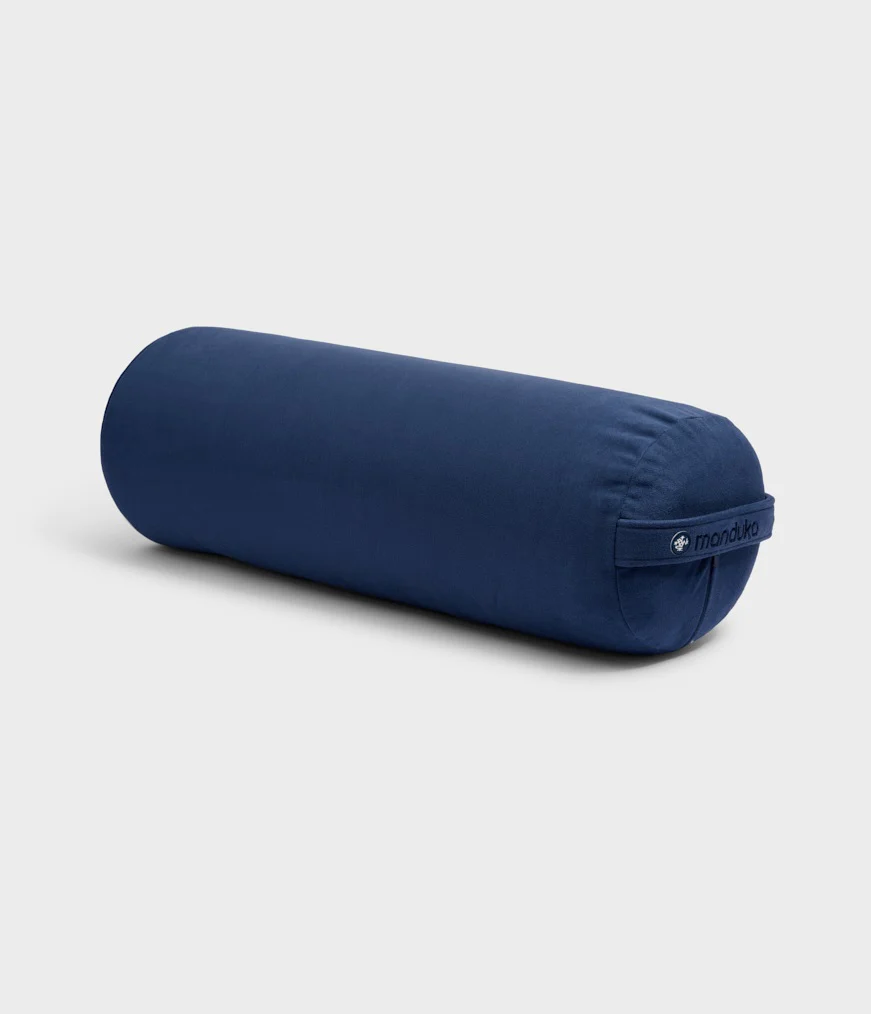
Also interesting!
Author of this Asana

Manish Rana is a certified yoga teacher and founder of asanaverse.de. He writes about topics around yoga, ayurveda and meditation. Manish owes his deep connection to yoga to his Indian roots, through which he came into contact with this practice early on.
Learn more about our team here →DISCOVER MORE
More Forward Bends
Get our free ebook with 108 asanas now!
With great care and passion, we have selected and described 108 of the most important asanas for you in detail!
Perfect for your practice and cues ;)
Thank you for being here!
Thank you for being here and being part of this ever-evolving platform! We strive to keep growing and improving.
Your feedback is invaluable. Namasté 🙏
Comments feature coming soon. 💬
Guide
Browse our guide now
Accessible Yoga Mobility: Chair Yoga and Inclusive Asanas for All Bodies
Ahimsa – Gewaltlosigkeit als Fundament des Yoga und Lebens
Yoga Sutras zusammengefasst – Kapitel 2 (Sadhana Pada): Pfad der Praxis
Meditation bei Überforderung und Angststörung: Achtsam bleiben in turbulenten Zeiten
12 Wege, das Sitzen in der Meditation zu erleichtern — Stabiler sitzen, tiefer meditieren
Brahmacharya: Quelle des Lebens für mehr Lebenskraft und Vitalität