Apanasana
Knees to Chest Pose
Roll with us on the gentle waves of our Apanasana Uncovered. Like the calming movement of the wind sweeping away the urban dust, this wind-relieving pose brings relaxation and renewal into your urban life.
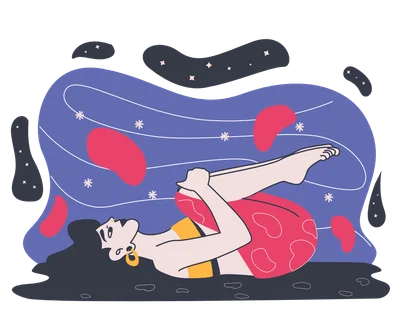
Category: Forward Bends
Forward Bends are asanas in which you gently stretch muscles and joints. They promote suppleness and mobility. Breathing in Forward Bends has a relaxing effect: you supply your muscles with oxygen and release tension.
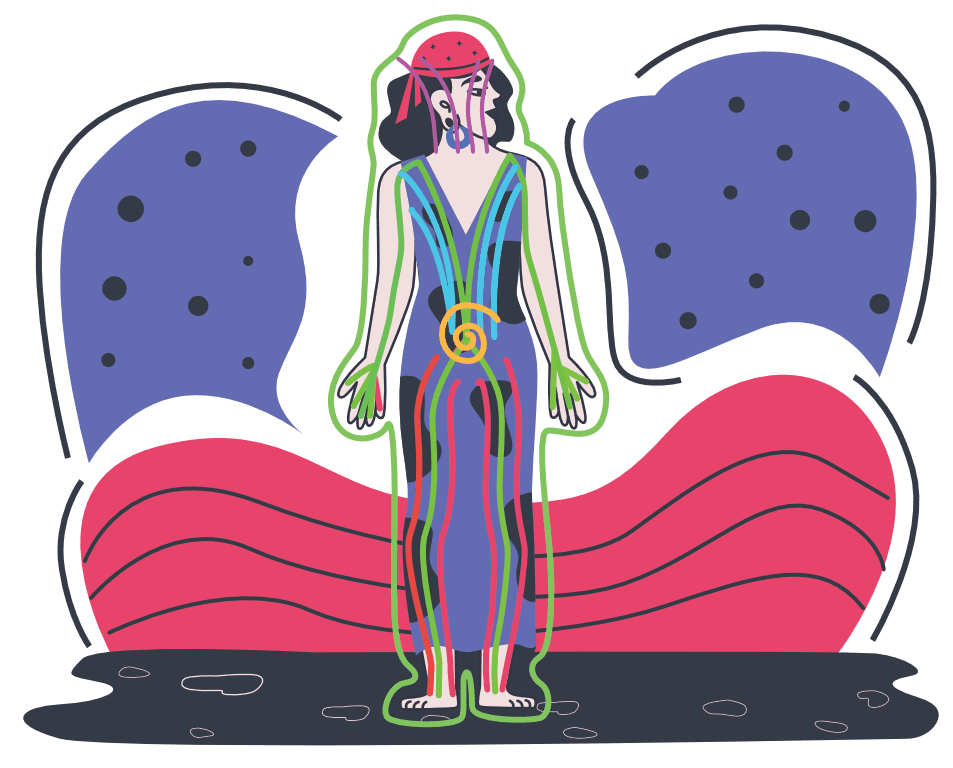
VAYUS
Each of the five Prana Vayus plays an essential role in our body and mind. They move and direct energy in specific directions, each with its own special area of influence and function. Knees to Chest Pose has its own unique effects on these vayus.
Vyana Vayu – Expansion and Opening
▼
In Apanasana, Vyana Vayu is activated, as the pose distributes the energy evenly throughout the entire body. Through bringing the knees to the chest and the subsequent expansion during breathing, the energy is guided into all limbs. This pose fosters the harmonization and coordination of the movements, which supports the feeling of wholeness and integration in the body.
Udana Vayu – The Ascending Energy
▼
Apanasana also influences Udana Vayu, which is responsible for the ascending energy from the throat to the head. Through the deep breathing and the awareness in this pose, Udana Vayu is stimulated, which supports communication and mental expression. The posture helps guide energy upward and clear the mind, which strengthens the feeling of lightness and clarity.
Prana Vayu – Expansion of Consciousness
▼
In Apanasana, Prana Vayu is strongly activated through the deep and conscious breathing. The pose opens the ribcage and fosters the circulation of life energy in the heart and lung area. Through the concentration on the breath in this pose, Prana Vayu is strengthened, which contributes to the calming of the mind and the distribution of fresh energy in the body.
CHAKRAS
Muladhara Chakra (Root Chakra)
▼
Apanasana, with its grounding and stabilizing quality, is closely connected with the Muladhara Chakra, located at the base of the spine. This chakra represents our feeling of safety, stability and basic sustenance. It is also called the “root chakra” and is connected with the element earth and the sense organ of smell.
Swadhisthana Chakra (Sacral Chakra)
▼
Apanasana also has a strong relationship to the Swadhisthana Chakra, located in the lower belly. This chakra is connected with our feeling of creativity, sexuality and pleasure. It is also called the “sacral chakra” and is connected with the element water and the sense organ of taste.
Manipura Chakra (Solar Plexus Chakra)
▼
Through the gentle massage of the abdominal area in Apanasana, the Manipura Chakra, located in the solar plexus region, is also stimulated. This chakra is connected with our feeling of self-worth, power and autonomy. It is also called the “solar plexus chakra” and is connected with the element fire and the sense organ of sight.
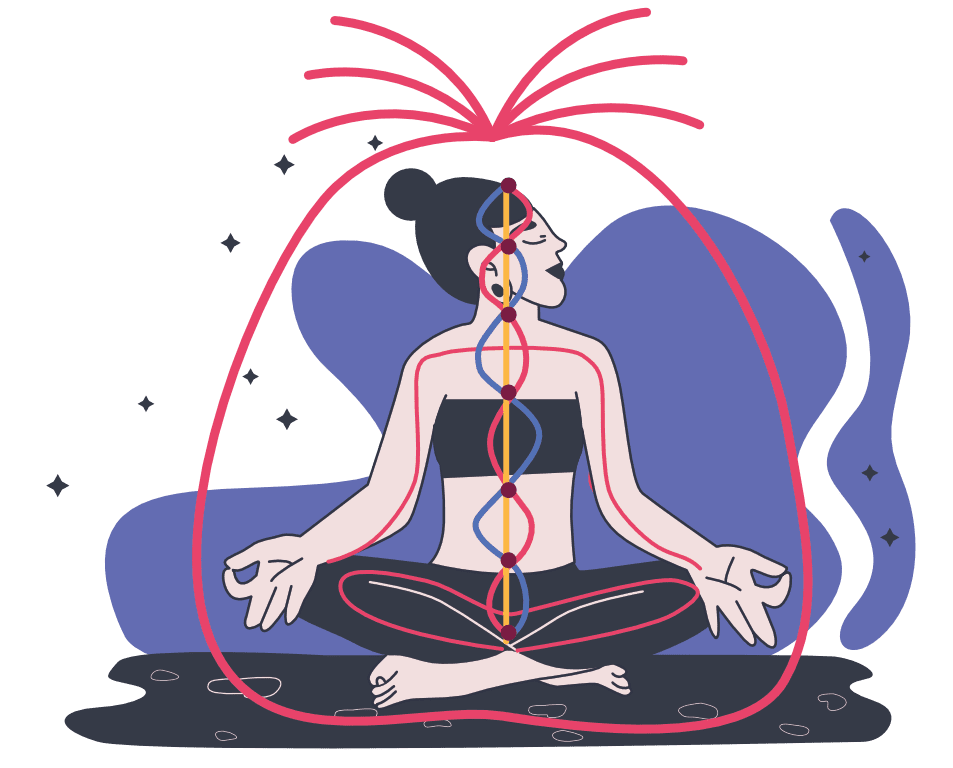
KOSHAS
Annamaya Kosha (Physical Body)
▼
This is the physical layer, which refers to the body. Apanasana works gently on this level by releasing tension in the lower back and hip flexors and fostering circulation in the abdominal organs. This can help ease physical complaints such as constipation and bloating.
Pranamaya Kosha (Energy Body)
▼
This energetic layer refers to breathing and the flow of prana, or life energy. Through the conscious inhalation and exhalation during Apanasana, the flow of energy in the body is stimulated, which leads to increased vitality and balance.
Manomaya Kosha (Mental Body)
▼
The mental-emotional layer. Apanasana has a calming effect on the mind and can help reduce fears and stress.
Vijnanamaya Kosha (Intellectual Body)
▼
The wisdom-oriented layer, connected with intuition and deeper understanding. Apanasana can help develop a deep inner awareness that leads us to make intuitive decisions that serve our highest good.
Anandamaya Kosha (Spiritual Body)
▼
The layer of bliss. Apanasana can help gain access to a state of deep joy and bliss that lies beyond external circumstances.

DOSHAS
Vata
▼
Apanasana has a calming effect on the Vata dosha. The asana brings grounding and stability, which balance the slightly flighty and unsteady Vata dosha. Through the gentle movement and the holding of the position, digestion is supported and a feeling of calm and relaxation is fostered. This asana helps reduce restlessness and anxiety and can have a calming effect especially with insomnia or nervousness.
Pitta
▼
Apanasana is a gentle and calming exercise that balances the Pitta dosha. The asana helps reduce excess heat and emotions such as anger and frustration, which are often connected with an unbalanced Pitta dosha. Through the gentle compression of the belly and the deep breathing, the nervous system is calmed and a deep inner calm and serenity is fostered.
Kapha
▼
Apanasana can slightly increase the Kapha dosha, as the asana is less stimulating and has a rather calming effect. Although it is not strongly activating, Apanasana supports digestion and fosters circulation, which can be helpful with Kapha dominance to slightly reduce sluggishness and stagnation without disturbing the grounding nature of Kapha too much.

Key Information for Correct Execution
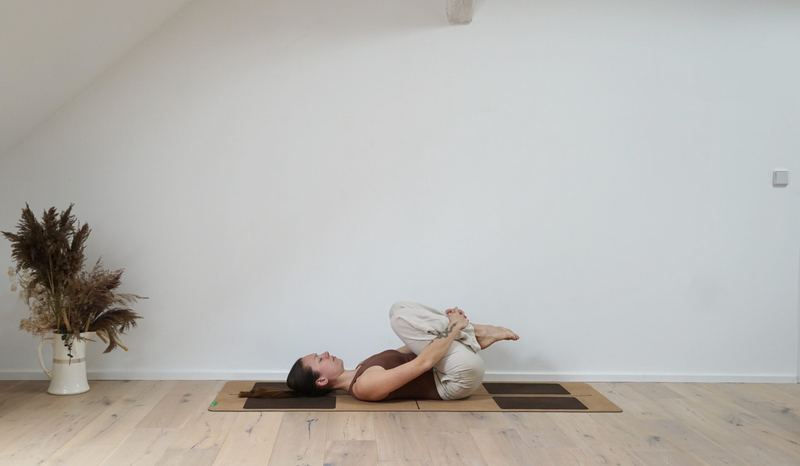
Meet Geraldine, a certified yoga teacher and psychology student who emphasizes mindfulness and alignment to inspire people toward a more peaceful life.
Common Mistakes
A common mistake in Apanasana is lifting the buttocks off the floor and overextending the neck. It is important to keep the spine long on the mat and resist the tendency to lift the buttocks and hips in order to draw the knees firmly to the chest.
Our Tip
A tip for this posture is to keep the spine long on the floor and resist lifting the buttocks and hips. The length of the spine is more important than drawing the knees tight to the chest.
Variations
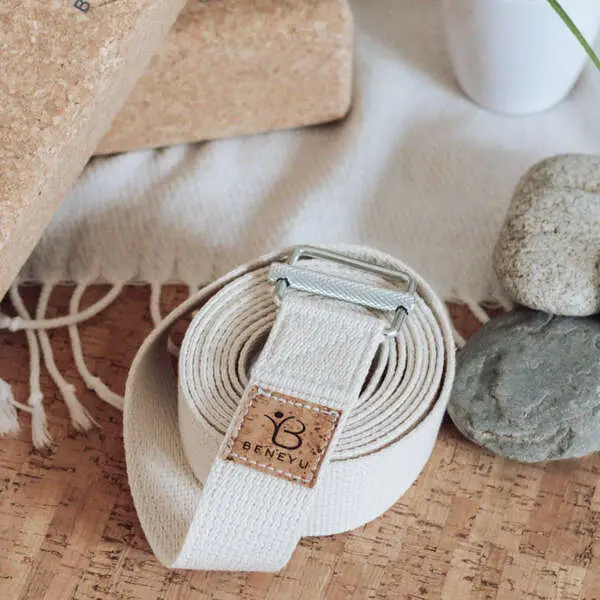
Open the knees hip-width to create space for the lower belly. If it is difficult to hold the shins, wrap a yoga strap around the soles of the feet with bent knees. Hold the strap firmly with both hands to draw the knees closer.
Physical Effect
Hip Opener
This asana is especially effective for stretching and relaxing the hip flexors. Through the bending of the knees and drawing them toward the upper body, the iliopsoas muscles are stretched, which can help release tension in the hips. If you sit a lot, this can lead to stiff hip flexors – Apanasana can provide relief here.
Abdominal Toner
When performed correctly, Apanasana helps strengthen and tone the abdominal musculature. Drawing the knees to the chest exerts a slight pressure on the abdominal cavity, which activates and strengthens the abdominal musculature. This movement can also massage the digestive organs, which can support the digestive functions.
Back Relaxer
Apanasana is a wonderful pose for relieving the entire spine and especially the lower back. It allows a gentle extension of the back musculature and thus relieves the intervertebral discs. Especially with sedentary activities or tension in the lumbar spine area, this exercise can work true wonders and reduce the fascia-related tension.
Effects on Psyche and Emotions
Self-Love Amplifier
Through drawing the knees to the chest, Apanasana can foster a feeling of self-care and self-love. This can be especially helpful when you struggle with self-worth or self-love.
Emotional Detox
This asana is often translated as the “wind-relieving posture”, which suggests that it can help eliminate emotional toxins. Through evoking a deep breathing, it can help release deep-seated emotional blockages and create a space for emotional healing.
Calm Finder
Apanasana is known for its calming properties. It can help ease the feeling of anxiety and restlessness and can foster a peaceful mental state.
Props
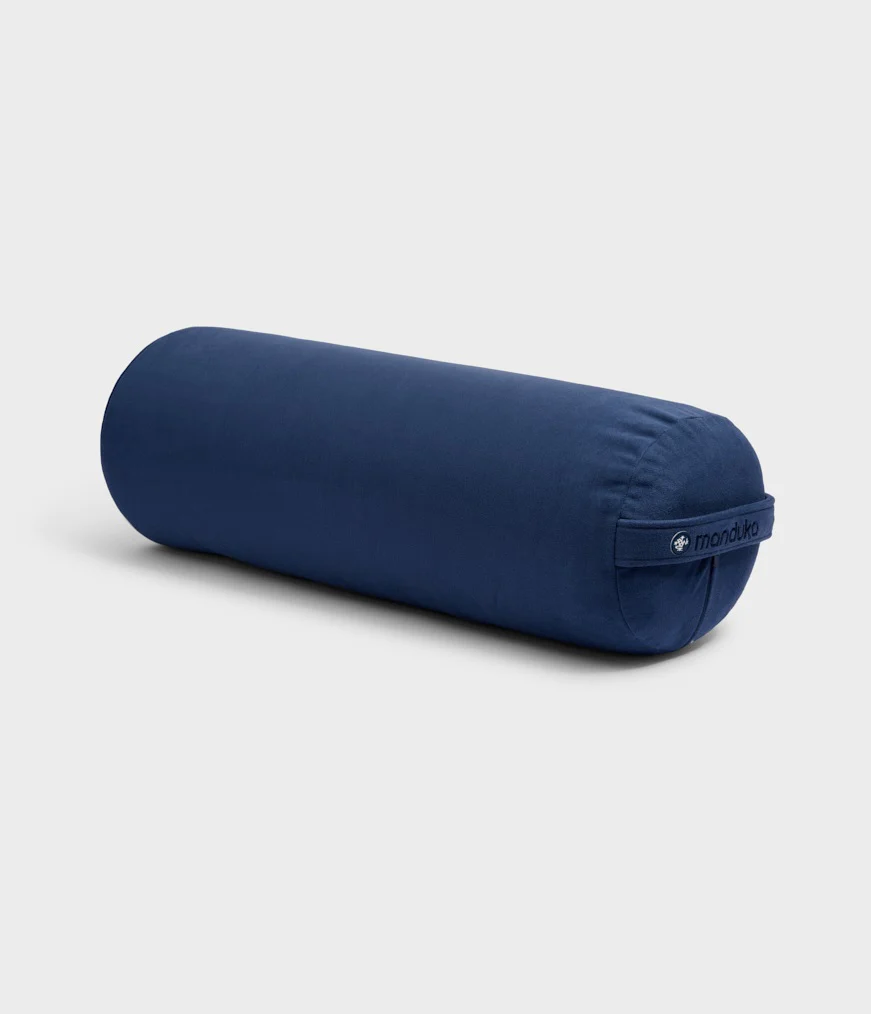
Also interesting!
Author of this Asana

Manish Rana is a certified yoga teacher and founder of asanaverse.de. He writes about topics around yoga, ayurveda and meditation. Manish owes his deep connection to yoga to his Indian roots, through which he came into contact with this practice early on.
Learn more about our team here →DISCOVER MORE
More Forward Bends
Get our free ebook with 108 asanas now!
With great care and passion, we have selected and described 108 of the most important asanas for you in detail!
Perfect for your practice and cues ;)
Thank you for being here!
Thank you for being here and being part of this ever-evolving platform! We strive to keep growing and improving.
Your feedback is invaluable. Namasté 🙏
Comments feature coming soon. 💬
Guide
Browse our guide now
Accessible Yoga Mobility: Chair Yoga and Inclusive Asanas for All Bodies
Ahimsa – Gewaltlosigkeit als Fundament des Yoga und Lebens
Yoga Sutras zusammengefasst – Kapitel 2 (Sadhana Pada): Pfad der Praxis
Meditation bei Überforderung und Angststörung: Achtsam bleiben in turbulenten Zeiten
12 Wege, das Sitzen in der Meditation zu erleichtern — Stabiler sitzen, tiefer meditieren
Brahmacharya: Quelle des Lebens für mehr Lebenskraft und Vitalität