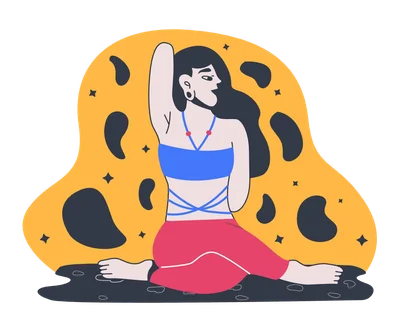
Gomukhasana
Cow Face Pose
Knot yourself with us into the artful loops of our Gomukhasana Uncovered. Like two cows peacefully standing side by side in an urban oasis park, this cow face pose brings balance and unity into your urban life.
Category: Forward Bends
Forward Bends are asanas in which you gently stretch muscles and joints. They promote suppleness and mobility. Breathing in Forward Bends has a relaxing effect: you supply your muscles with oxygen and release tension.
VAYUS
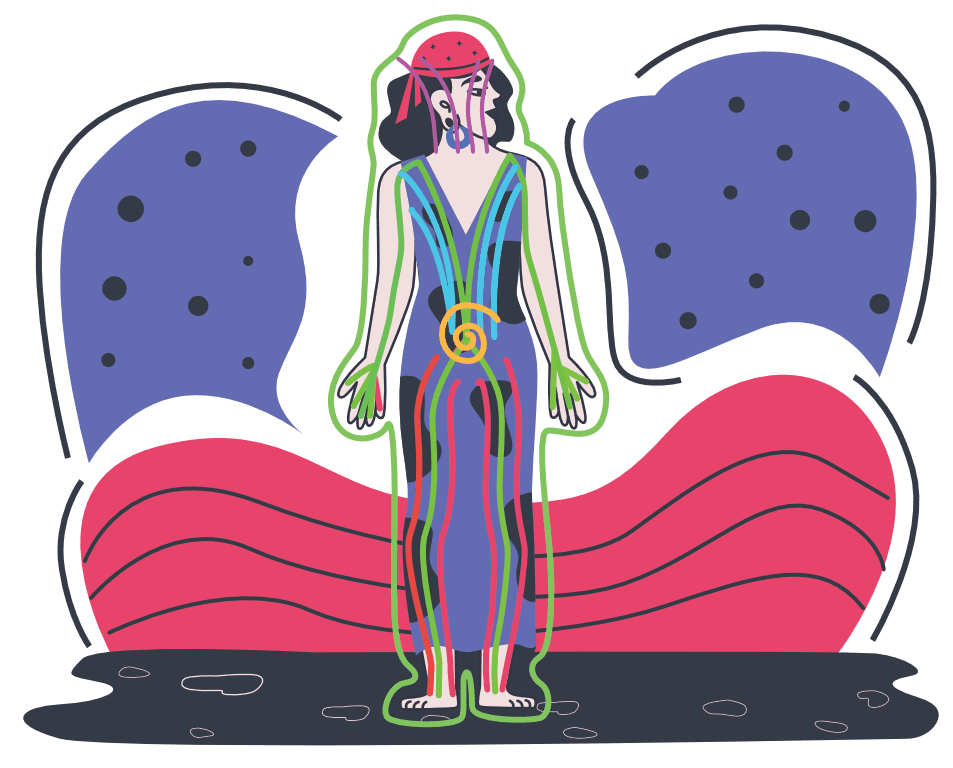
Each of the five Prana Vayus plays an essential role in our body and mind. They move and direct energy in specific directions, each with its own special area of influence and function. Cow Face Pose has its own unique effects on these vayus.
Apana Vayu – The Grounding Force
▼
Apana Vayu, the downward-moving wind in your pelvic area, takes care of everything that is no longer needed. Gomukhasana strengthens and centers this energy, fostering detoxification.
Samana Vayu – The Balancing Force
▼
With Gomukhasana you can find your own inner balance. The energy of Samana Vayu, centered in the navel, balances and harmonizes.
Prana Vayu – Expansion of Consciousness
▼
Prana Vayu, in your chest area, guides the ascending energy and helps you open. Gomukhasana nourishes this wind, awakens your heart.
CHAKRAS
Muladhara Chakra (Root Chakra)
▼
Gomukhasana, through the stable sitting posture and the firm connection of the sitting bones with the floor, activates the Muladhara Chakra, located at the base of the spine. This chakra stands for grounding, safety and stability. Through the deep grounding in this pose, the root chakra is strengthened, which fosters a feeling of safety and being rooted. This asana helps ease fears and create a stable foundation for personal development.
Swadhisthana Chakra (Sacral Chakra)
▼
In Gomukhasana, the deep hip opening addresses the Swadhisthana Chakra, located in the lower abdominal area. This chakra is connected with creativity, emotions and sensual joy. Through the intense stretch of the hips, energetic blockages in the pelvic area can be released, which fosters the flow of creative energy and emotional balance.
Ajna Chakra (Brow Chakra)
▼
Gomukhasana also works on the Ajna Chakra, located between the eyebrows. This chakra is the center of intuition and inner knowledge. The concentration and alignment required for holding this pose foster mental clarity and awareness. Through the focus in Gomukhasana, the brow chakra is activated, which strengthens intuition and sharpens inner perception.
KOSHAS
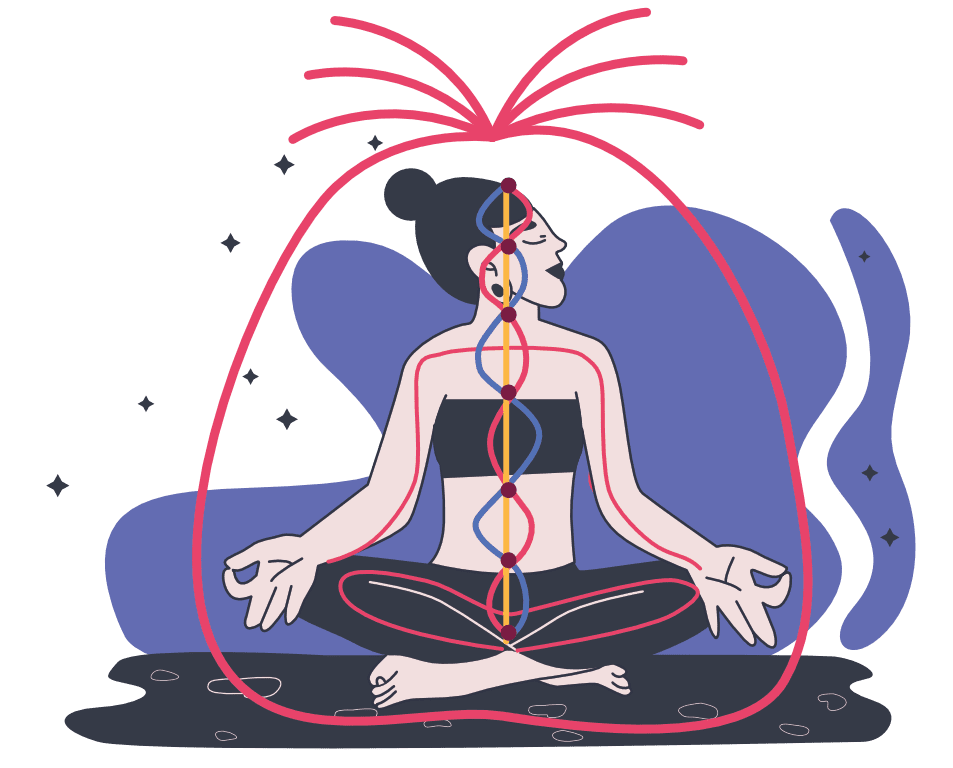
Annamaya Kosha (Physical Body)
▼
Annamaya Kosha is the physical sheath, which consists of our body. Gomukhasana works on the physical body by opening the shoulders and chest, stretching the upper body and stretching the hips.
Pranamaya Kosha (Energy Body)
▼
Pranamaya Kosha refers to the life energy or prana that flows through the body. Gomukhasana fosters the flow of prana, especially in the chest and heart region, and helps eliminate energy blockages.
Manomaya Kosha (Mental Body)
▼
Manomaya Kosha is the mind and the emotions. Gomukhasana supports the calming of the mind and helps dissolve emotional blockages.
Vijnanamaya Kosha (Intellectual Body)
▼
Vijnanamaya Kosha stands for intuition and wisdom. Gomukhasana fosters awareness and the connection with the inner self, which can lead to increased intuition.
Anandamaya Kosha (Spiritual Body)
▼
Anandamaya Kosha is the core of our true self, the essence of happiness and joy. Gomukhasana opens the heart and enables us to establish a deeper connection with this inner space of happiness.
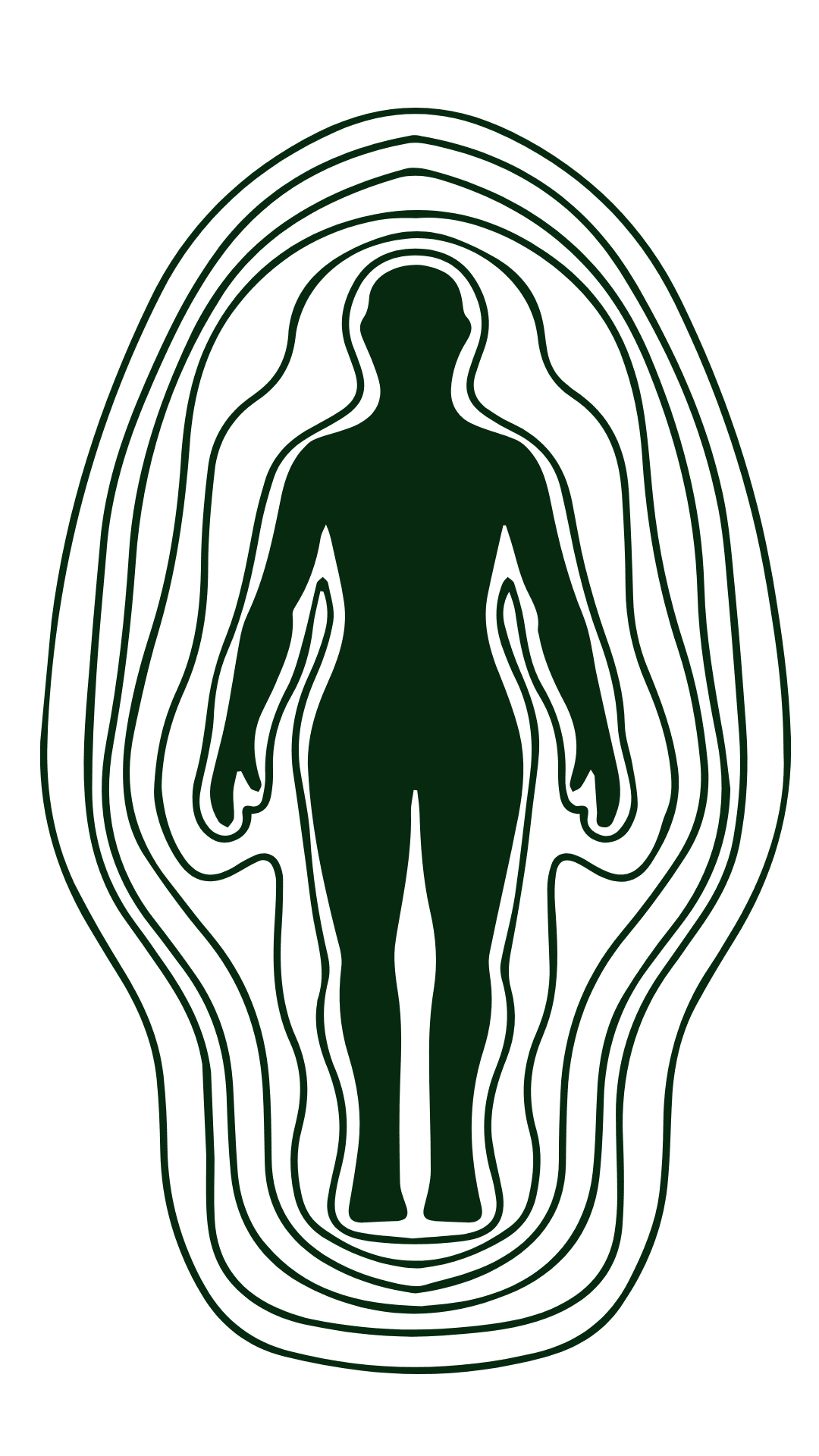
DOSHAS
Vata
▼
Gomukhasana has a calming effect on the Vata dosha. The pose offers a deep grounding through the crossing of the legs and the binding together of the hands, which strengthens the feeling of safety and protection. This asana helps balance the fleeting and restless nature of Vata by centering the mind and calming the nervous system.
Pitta
▼
Gomukhasana reduces the Pitta dosha through its calming and stretching effect. The asana fosters patience and gentleness by placing the focus on letting go rather than on asserting. This pose helps reduce excess heat and calm the fiery temperament of Pitta, which leads to a more balanced and calmer state.
Kapha
▼
Gomukhasana has a calming and stabilizing effect on the Kapha dosha. Through the intense stretch and the grounding nature of the pose, Kapha is fostered, which strengthens the feeling of calm and stability. This asana helps strengthen the Kapha dosha by fostering the connection to the earth and the steadiness in the body, which is especially helpful for cultivating a feeling of safety and security.

Key Information for Correct Execution
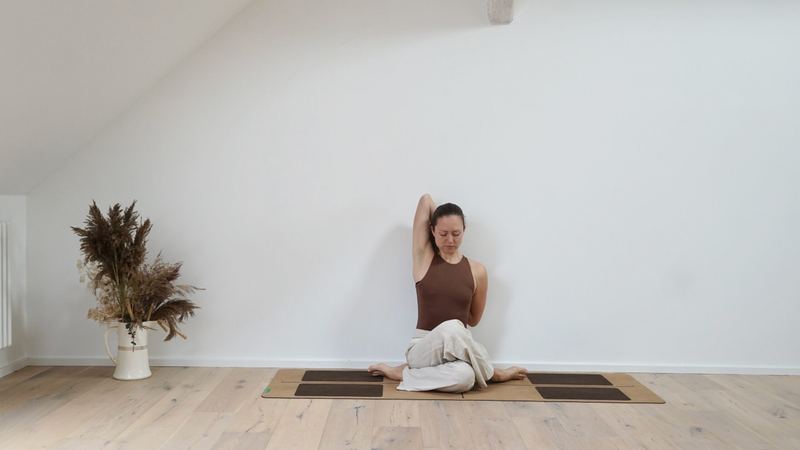
Meet Geraldine, a certified yoga teacher and psychology student who emphasizes mindfulness and alignment to inspire people toward a more peaceful life.
Common Mistakes
A common mistake in this posture is that both halves of the buttocks are not firmly on the floor and the knees are not directly stacked on top of each other. Make sure you sit stably on both sitting bones and the knees are in line on top of each other. The seated cow face is a challenging posture, so be patient with yourself and work step by step on the alignment.
Our Tip
A tip is to practice other forward bends with a hip-opener focus as well as shoulder openers beforehand to prepare the body for the cow face posture. Make sure the shins run parallel to the front edge of the mat to vary the intensity of the stretch.
Physical Effect
Spinal Alignment
As with many yoga postures, Gomukhasana also emphasizes the importance of an upright spine. By making sure the spine stays straight throughout the entire exercise, the entire back, including the erector spinae (the musculature along the spine), is strengthened. This fosters a healthy posture and can help prevent or ease complaints in the lower back area that are often caused by prolonged sitting or standing.
Hip Opening
In Gomukhasana, the legs are positioned so that one knee lies directly over the other, which stretches the outer hip muscles – especially the piriformis. This can be especially useful for people who suffer from sciatica complaints, as a tense or shortened piriformis musculature can sometimes irritate the sciatic nerve. Regular practice of this posture can help increase hip flexibility and ease such complaints.
Shoulder Opening
Gomukhasana, often referred to as the “cow face pose”, is known for its deep stretch of the shoulders. When one arm is led over the head and the other behind the back to meet (or to help with a strap), the upper deltoid of the upper arm and the lower deltoid of the lower arm are stretched. This helps improve the mobility of the shoulder and can release tension that has accumulated through everyday activities such as computer work or driving.
Effects on Psyche and Emotions
Heart Opener
Although the physical emphasis is often on the shoulders and hips, the position also opens the chest area. This can help release emotional blockages or pent-up feelings in the heart chakra. An open chest fosters feelings of love, acceptance and compassion.
Forge of Patience
The complex interlacing of arms and legs in this asana challenges us to be patient. It is about accepting the body as it is and not forcing what is not (yet) possible. This exercise in patience and acceptance can help reduce self-criticism and frustration on an emotional level.
Grounding
Gomukhasana requires a certain concentration and balance that brings the mind to center itself and experience the present moment. This feeling of presence and grounding can help reduce fears and worries that often arise from preoccupation with the past or future.
Props
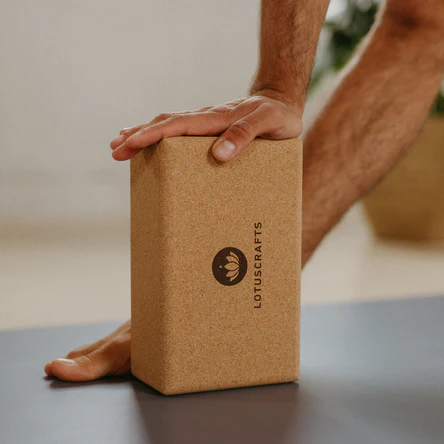
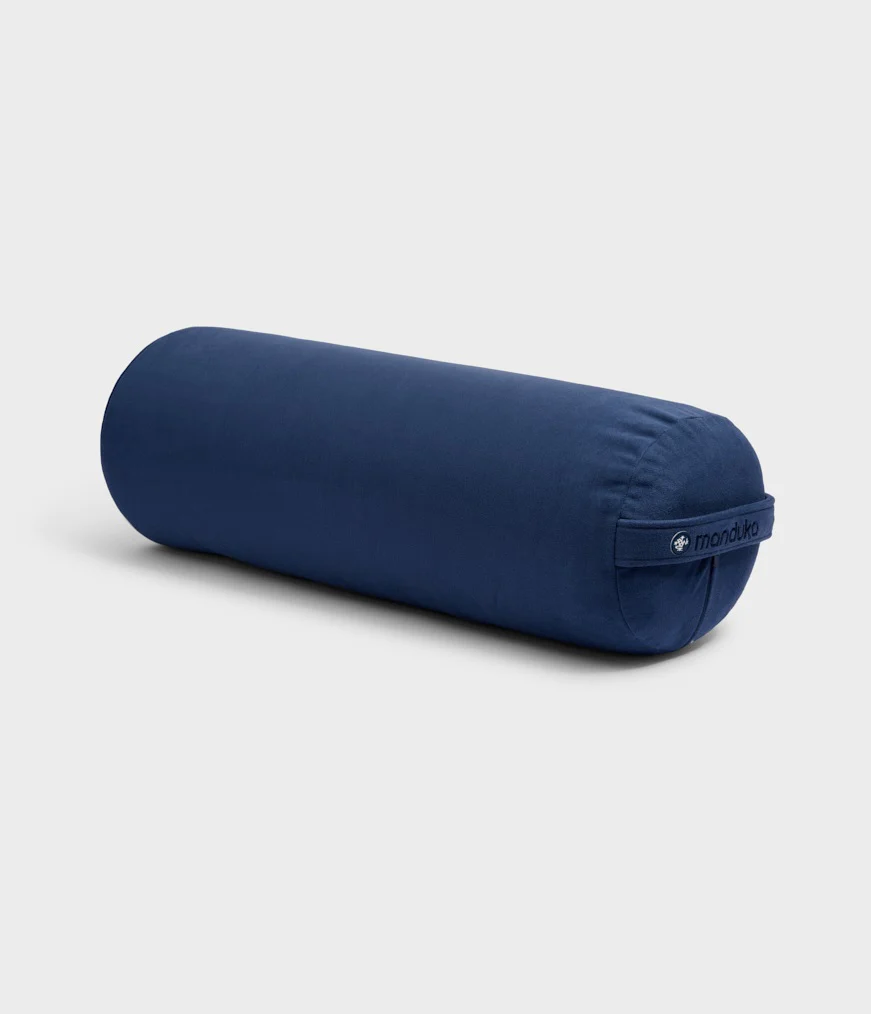
Also interesting!
Author of this Asana
Manish Rana is a certified yoga teacher and founder of asanaverse.de. He writes about topics around yoga, ayurveda and meditation. Manish owes his deep connection to yoga to his Indian roots, through which he came into contact with this practice early on.
Learn more about our team here →DISCOVER MORE
More Forward Bends
Get our free ebook with 108 asanas now!
With great care and passion, we have selected and described 108 of the most important asanas for you in detail!
Perfect for your practice and cues ;)
Thank you for being here!
Thank you for being here and being part of this ever-evolving platform! We strive to keep growing and improving.
Your feedback is invaluable. Namasté 🙏
Comments feature coming soon. 💬
Guide
Browse our guide now
Accessible Yoga Mobility: Chair Yoga and Inclusive Asanas for All Bodies
Ahimsa – Gewaltlosigkeit als Fundament des Yoga und Lebens
Yoga Sutras zusammengefasst – Kapitel 2 (Sadhana Pada): Pfad der Praxis
Meditation bei Überforderung und Angststörung: Achtsam bleiben in turbulenten Zeiten
12 Wege, das Sitzen in der Meditation zu erleichtern — Stabiler sitzen, tiefer meditieren
Brahmacharya: Quelle des Lebens für mehr Lebenskraft und Vitalität