Parshvottanasana
Pyramid Pose
Step with us into the expanding planes of our Parshvottanasana Uncovered. Like the long shadows of a sunset stretching across the urban pavement, this intense side forward bend brings depth and length into your urban life.
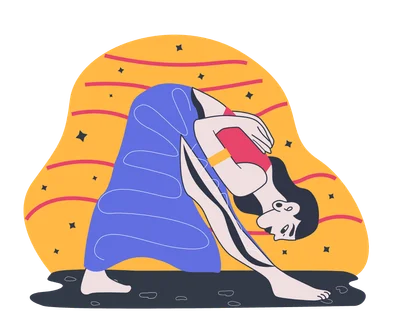
Category: Forward Bends
Forward Bends are asanas in which you gently stretch muscles and joints. They promote suppleness and mobility. Breathing in Forward Bends has a relaxing effect: you supply your muscles with oxygen and release tension.
VAYUS
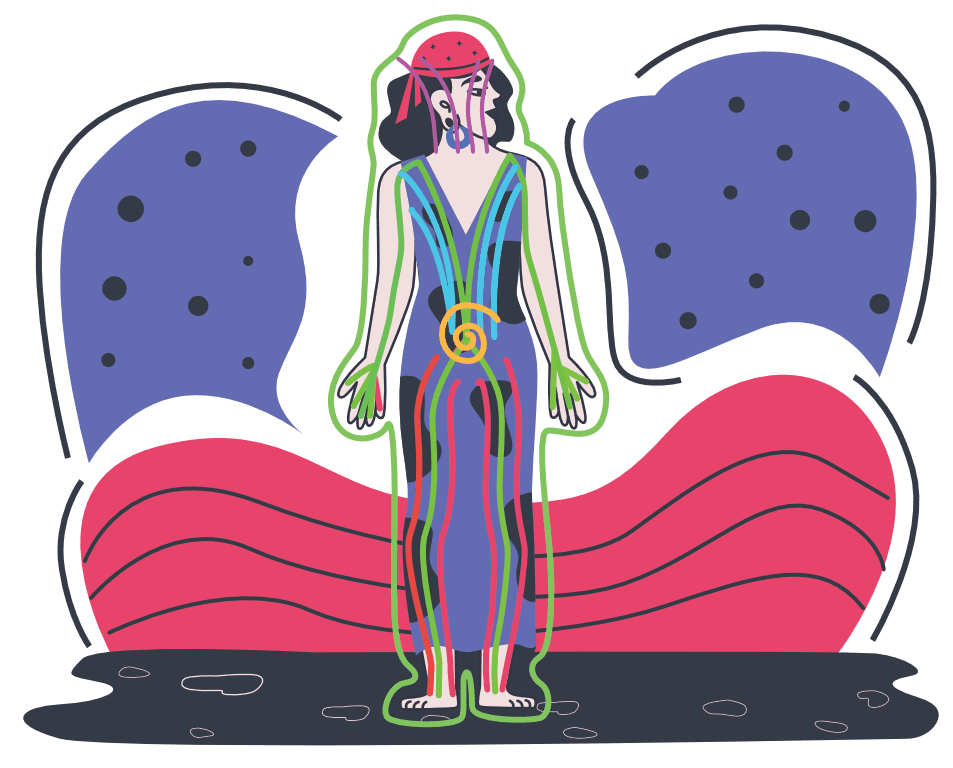
Each of the five Prana Vayus plays an essential role in our body and mind. They move and direct energy in specific directions, each with its own special area of influence and function. Pyramid Pose has its own unique effects on these vayus.
Apana Vayu – The Grounding Force
▼
Parshvottanasana activates the Apana Vayu, which is responsible for the downward-directed and grounding energy in the body. In this asana, the lower body, especially the pelvic and hip area, is strongly grounded, which supports the elimination functions and fosters stability. The deep forward bend helps direct the energy downward, which creates a strong connection to the earth and a feeling of safety and being rooted.
Samana Vayu – The Balancing Force
▼
Samana Vayu, which is anchored in the navel area, is also addressed in Parshvottanasana. This vayu is responsible for digestion and balance in the body. Through the targeted activation of the abdominal muscles and the centering of the torso, this pose helps harmonize the energy in the body and strengthen the digestive power. Parshvottanasana thus fosters an even distribution of energy and contributes to inner balance.
Vyana Vayu – Expansion and Opening
▼
Vyana Vayu, which is responsible for the distribution of energy throughout the entire body, is activated in Parshvottanasana through the full-body stretch. The pose fosters the expansion and coordination of the movements by letting the energy flow evenly through the body. Vyana Vayu supports the integration and interplay of all body parts, which creates a feeling of wholeness and connectedness in the body.
CHAKRAS
Muladhara Chakra (Root Chakra)
▼
Parshvottanasana fosters the activation of the Muladhara Chakra, located at the base of the spine and standing for grounding, stability and safety. In this asana, the feet are pressed firmly into the floor while the body moves into the forward bend, which creates a deep connection to the earth. This posture supports the feeling of safety and security and strengthens the base for physical and emotional stability.
Swadhisthana Chakra (Sacral Chakra)
▼
The Swadhisthana Chakra, located in the pelvic area, is also activated in Parshvottanasana. This asana stretches the hips and the lower back, which stimulates the sacral chakra and fosters the flow of creative and emotional energies. Through the gentle stretching and opening in the pelvic area, this pose can help release emotional blockages and deepen the connection to one's own feelings and creative impulses.
Anahata Chakra (Heart Chakra)
▼
The Anahata Chakra, the heart chakra, is addressed through the gentle stretching and opening of the ribcage in Parshvottanasana. This pose fosters the expansion of the chest area and supports the ability to experience love, compassion and openness. The Anahata Chakra stands for unconditional love and emotional healing, and the practice of Parshvottanasana can help open the heart and foster the flow of loving energy.
KOSHAS
Annamaya Kosha (Physical Body)
▼
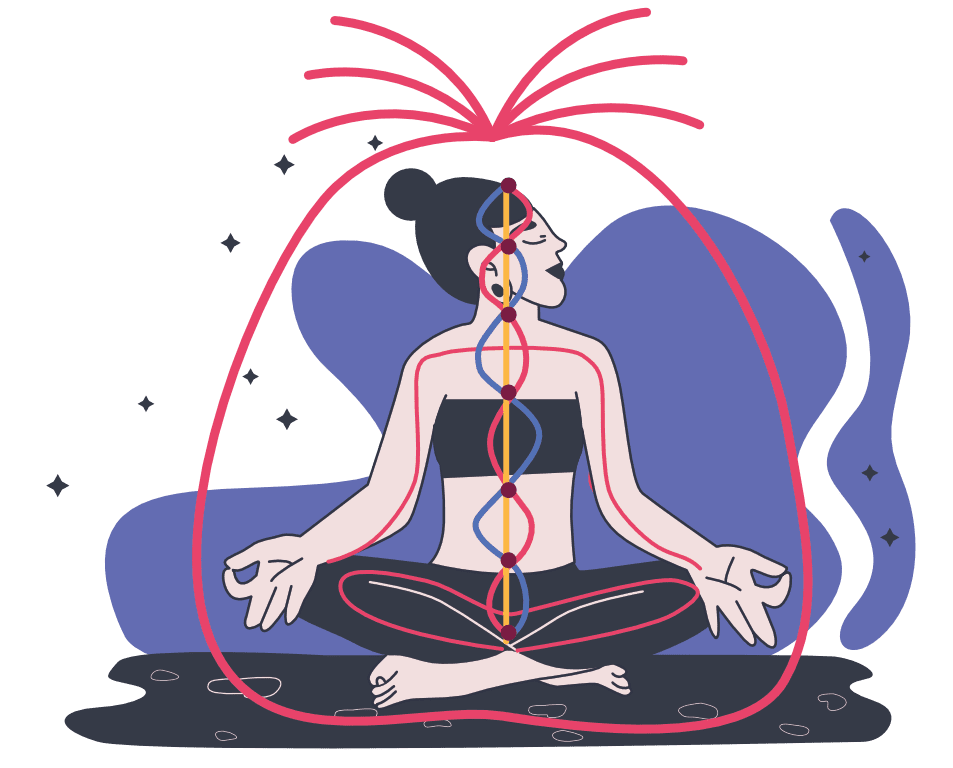
Annamaya Kosha is the physical sheath, our material body. Parshvottanasana works deeply on this level by stretching muscles, stimulating the blood flow and mobilizing the joints.
Pranamaya Kosha (Energy Body)
▼
Pranamaya Kosha is the level of the life breath or prana. Through the intense stretch in Parshvottanasana, the ribcage is opened, which fosters the flow of prana and deepens the breathing.
Manomaya Kosha (Mental Body)
▼
Manomaya Kosha is the mental level that governs thoughts and emotions. Parshvottanasana helps clear the mind and fosters emotional balance.
Vijnanamaya Kosha (Intellectual Body)
▼
Vijnanamaya Kosha is the wisdom level that governs intuition and understanding. Parshvottanasana fosters self-perception and helps develop a deeper understanding of oneself.
Anandamaya Kosha (Spiritual Body)
▼
Anandamaya Kosha is the level of bliss and the highest consciousness. Through the connection with the self in Parshvottanasana, a feeling of bliss and unity can be experienced.
DOSHAS
Vata
▼
Parshvottanasana helps calm the Vata dosha by fostering stability and grounding. The asana brings the body into a firm and grounded posture that balances restlessness and nervousness, which often accompany an unbalanced Vata dosha. The calm, even breathing in this pose supports the grounding of the mind and fosters a feeling of calm and centeredness, which can be especially helpful for Vata-dominant people who often suffer from stress and anxiety.
Pitta
▼
Parshvottanasana has a cooling and relaxing effect on the Pitta dosha. The pose makes it possible to break down heat and tension that often accumulate in the body and mind with an unbalanced Pitta dosha. The forward bend fosters a feeling of humility and serenity, which calms the fiery and often intense Pitta. Through the fostering of a gentle and controlled breathing, this asana can help regulate the inner heat and reach a state of calm and relaxation.
Kapha
▼
Parshvottanasana can strengthen and support the Kapha dosha by fostering the connection to the earth and creating a feeling of stability and structure. The pose stabilizes and strengthens the legs, which reinforces the feeling of safety and steadiness connected with Kapha. For Kapha types, who are often affected by sluggishness and heaviness, this pose can help generate a balanced energy that has both a calming and an energizing effect.

Key Information for Correct Execution
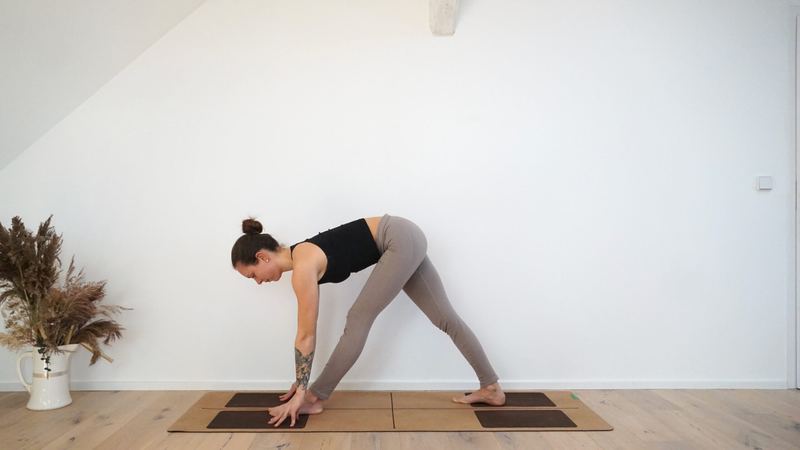
Meet Geraldine, a certified yoga teacher and psychology student who emphasizes mindfulness and alignment to inspire people toward a more peaceful life.
Common Mistakes
• Too small a distance between the legs • Feet not hip-width and parallel • Hips not aligned parallel forward
Our Tip
Dynamically alternate between the half and the full forward bend. Find more length with each inhalation and go deeper with each exhalation.
Variations
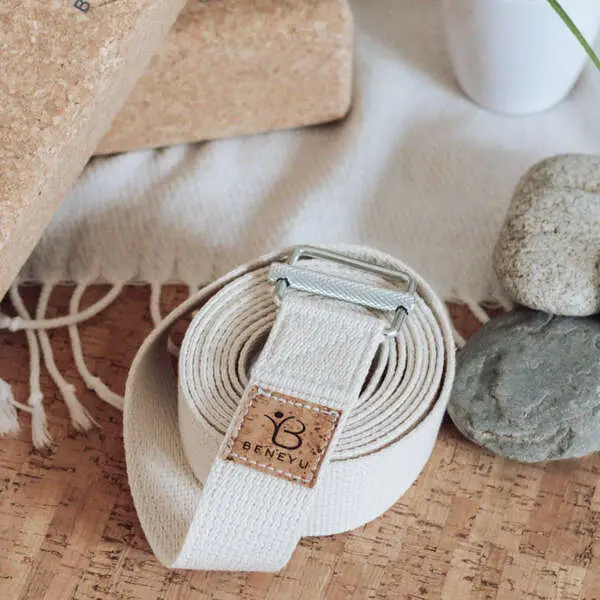
• If the back of the legs is shortened and the hands do not reach the floor, two blocks can be used under the hands and the front knee can be slightly bent • Advanced practitioners can bring the hands together in Namaste behind the back (reverse prayer position)
Physical Effect
Flexible Strength
Parshvottanasana, the intense side stretch, has a strengthening and stretching effect on the leg musculature, especially the quadriceps, thighs and calf muscles. Through the extension of the upper body and the simultaneous activation of the back musculature, the spine is stabilized and at the same time flexibility is fostered. This duality creates a harmony of strength and suppleness in the body.
Heart & Lungs
This asana fosters not only flexibility in the upper back and in the shoulders but also opens the ribcage, which enables an improved breathing. The intercostal musculature is stretched, whereby the lungs have more space to expand. This leads to a better oxygen supply of the heart and the entire body.
Digestion Promoter
The forward bend and the compression of the abdominal area in Parshvottanasana massage the internal organs, including the stomach and intestines. This gentle massage stimulates digestion and helps ease constipation and bloating. It is like a loving embrace for our digestive system that nourishes us from within.
Effects on Psyche and Emotions
Self-Reflection & Insight
The inner alignment and concentration required in Parshvottanasana foster self-reflection and self-knowledge. It offers a space to pause and observe our mind and our thoughts.
Grounding & Centering
This posture creates a connection to the earth and helps us feel grounded and centered. This state of balance fosters a feeling of stability and calm.
Heart Opening
Parshvottanasana challenges us to open our heart and our soul. This deep forward bend teaches us humility and acceptance and helps break down emotional barriers.
Props
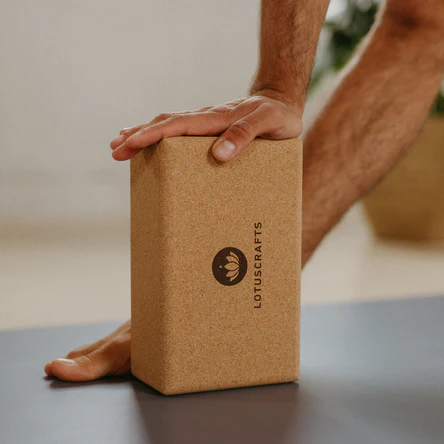
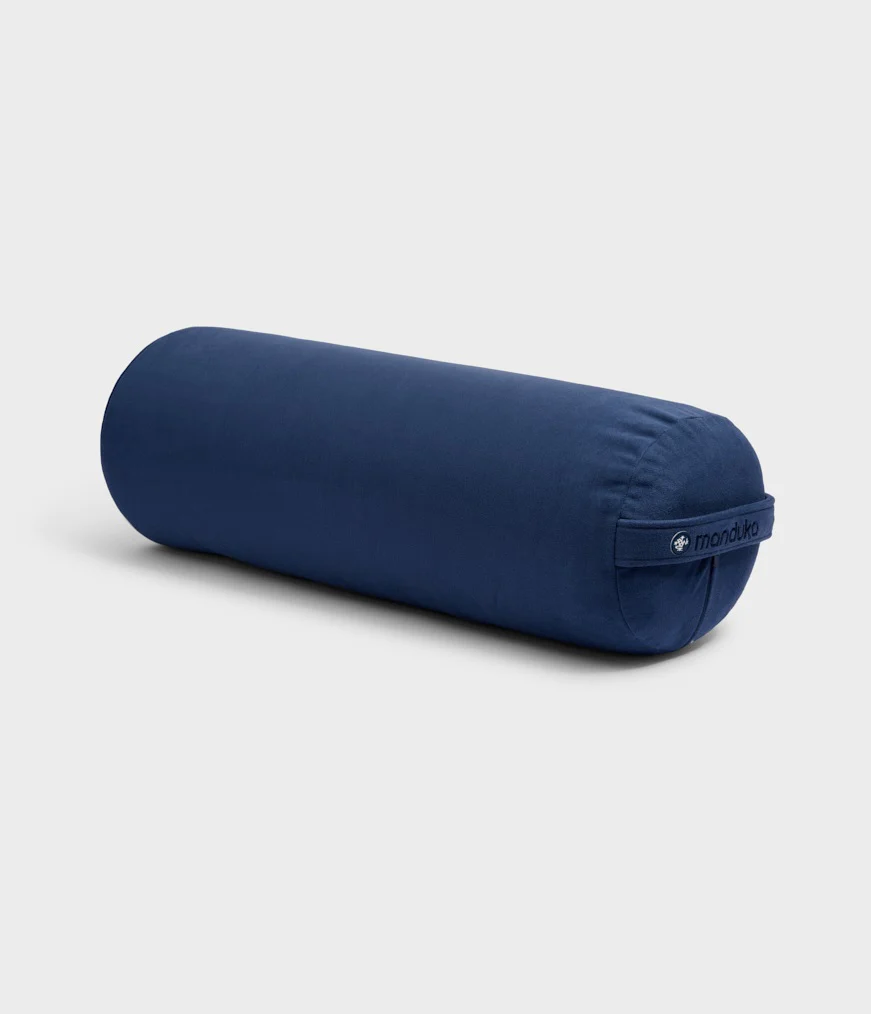
Also interesting!
Author of this Asana
Manish Rana is a certified yoga teacher and founder of asanaverse.de. He writes about topics around yoga, ayurveda and meditation. Manish owes his deep connection to yoga to his Indian roots, through which he came into contact with this practice early on.
Learn more about our team here →DISCOVER MORE
More Forward Bends
Get our free ebook with 108 asanas now!
With great care and passion, we have selected and described 108 of the most important asanas for you in detail!
Perfect for your practice and cues ;)
Thank you for being here!
Thank you for being here and being part of this ever-evolving platform! We strive to keep growing and improving.
Your feedback is invaluable. Namasté 🙏
Comments feature coming soon. 💬
Guide
Browse our guide now
Accessible Yoga Mobility: Chair Yoga and Inclusive Asanas for All Bodies
Ahimsa – Gewaltlosigkeit als Fundament des Yoga und Lebens
Yoga Sutras zusammengefasst – Kapitel 2 (Sadhana Pada): Pfad der Praxis
Meditation bei Überforderung und Angststörung: Achtsam bleiben in turbulenten Zeiten
12 Wege, das Sitzen in der Meditation zu erleichtern — Stabiler sitzen, tiefer meditieren
Brahmacharya: Quelle des Lebens für mehr Lebenskraft und Vitalität