Baddha Konasana
Butterfly Pose
Fold with us into the gentle wings of our Baddha Konasana Uncovered. Like a butterfly resting in the midday sun of an urban park, this bound angle posture brings lightness and freedom into your urban life.
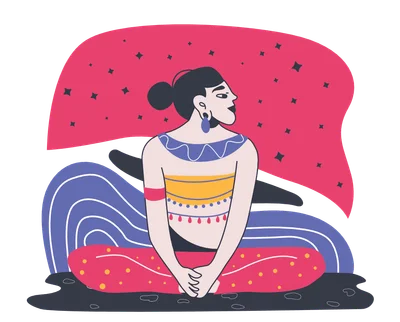
Category: Forward Bends
Forward Bends are asanas in which you gently stretch muscles and joints. They promote suppleness and mobility. Breathing in Forward Bends has a relaxing effect: you supply your muscles with oxygen and release tension.
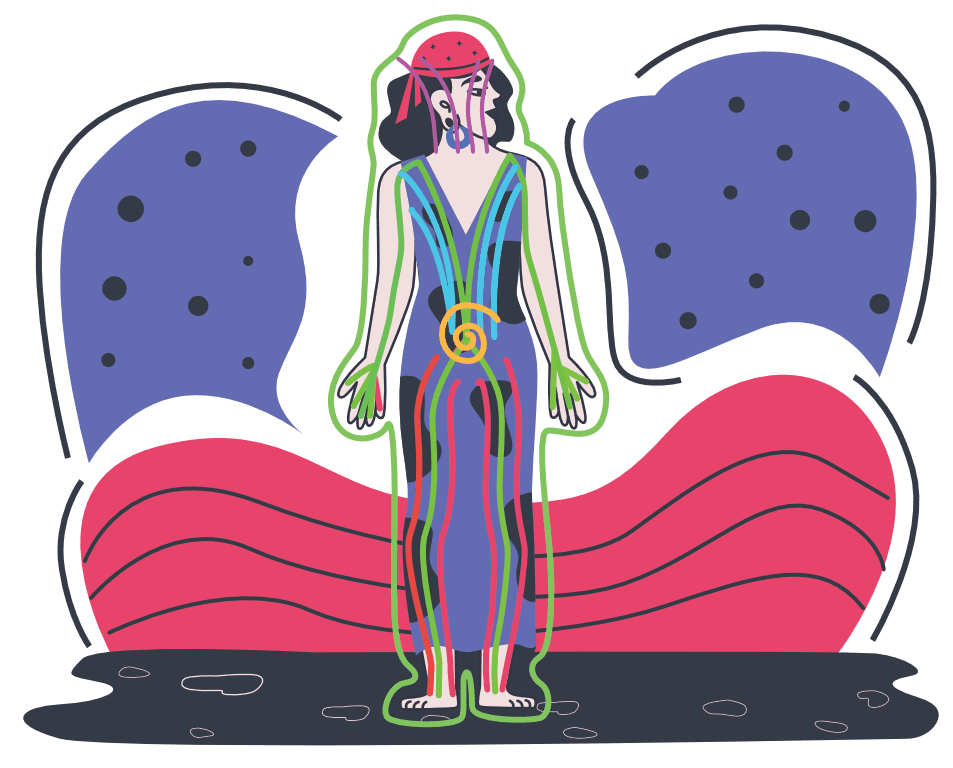
VAYUS
Each of the five Prana Vayus plays an essential role in our body and mind. They move and direct energy in specific directions, each with its own special area of influence and function. Butterfly Pose has its own unique effects on these vayus.
Apana Vayu – The Grounding Force
▼
Baddha Konasana is like a magical, invisible earth gravity that stimulates Apana Vayu, the downward-directed energy. It works like a heavenly suction bell that draws you deeper into your connection with Mother Earth.
Samana Vayu – The Balancing Force
▼
Baddha Konasana, often also called the butterfly pose, works like a colorful butterfly gently fluttering in your abdominal cavity to harmonize the energy in the solar plexus center and balance Samana Vayu.
Prana Vayu – Expansion of Consciousness
▼
In Baddha Konasana, your body encloses an invisible energy portal that activates the inward-directed and ascending energy, Prana Vayu. It is as if an inner beacon is kindled that radiates light and warmth into your chest.
CHAKRAS
Swadhisthana Chakra (Sacral Chakra)
▼
Near the pelvis one finds the Swadhisthana Chakra, the center of creativity, emotion and sexuality. Baddha Konasana, also known as the butterfly pose, stimulates this chakra by opening the hips and fostering the fluidity and mobility.
Muladhara Chakra (Root Chakra)
▼
In the deep core of the base, the root chakra Muladhara, we find the foundation of stability and safety. Baddha Konasana addresses this chakra by fostering the connection to the earth and grounding you.
Anahata Chakra (Heart Chakra)
▼
In the middle of the ribcage lies the Anahata Chakra, the loving heart of compassion and kindness. Baddha Konasana, with its opening movement, nourishes this heart chakra and fosters love for yourself and for others.
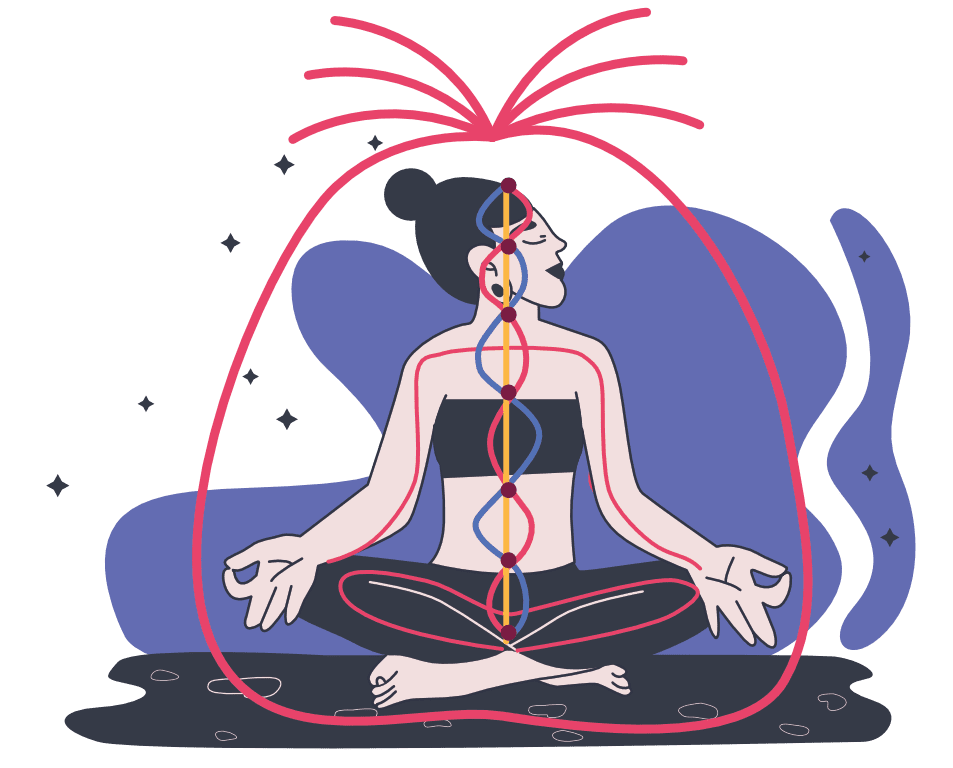
KOSHAS
Annamaya Kosha (Physical Body)
▼
Annamaya Kosha encompasses our physical structure. Baddha Konasana opens the hips, stretches the inner thighs and strengthens the back musculature.
Pranamaya Kosha (Energy Body)
▼
Pranamaya Kosha stands for the flow of energy in the body. Baddha Konasana supports the flow of prana through the pelvis and the spine and can stimulate the Muladhara and Swadhisthana Chakra.
Manomaya Kosha (Mental Body)
▼
Manomaya Kosha concerns thoughts and emotions. The concentrated performance of Baddha Konasana helps calm the mind and fosters inner peace.
Vijnanamaya Kosha (Intellectual Body)
▼
Vijnanamaya Kosha stands for intuition and awareness. Baddha Konasana encourages coming into harmony with one's own body and perceiving the inner voice.
Anandamaya Kosha (Spiritual Body)
▼
Anandamaya Kosha is the deepest layer, the essence of joy and bliss. Through the gentle opening and the letting go in Baddha Konasana, an access to the inner space of happiness can be created.

DOSHAS
Vata
▼
Baddha Konasana has a calming effect on the Vata dosha. The pose grounds the body, releases tension in the hips and fosters a feeling of safety and stability that balances the restless nature of Vata. Through the deeper breathing and the relaxing effect on the body, this asana can help calm Vata and foster inner peace and serenity.
Pitta
▼
Baddha Konasana is cooling and relaxing, which reduces the Pitta dosha. The pose helps dissipate excess heat and fosters relaxation and balance. The gentle opening in the chest area and the forward-leaning posture can calm Pitta, especially when the head is slightly lowered, which reduces the heat in the upper body and calms the Pitta dosha.
Kapha
▼
Baddha Konasana can increase the Kapha dosha, as the asana has a calming and stabilizing effect. The pose fosters grounding and steadiness, which strengthens Kapha qualities such as calm and stability. Through the gentle opening of the hips and the relaxed seat on the floor, Kapha is strengthened, which can have a stabilizing effect especially with the tendency toward sluggishness or heaviness.

Key Information for Correct Execution
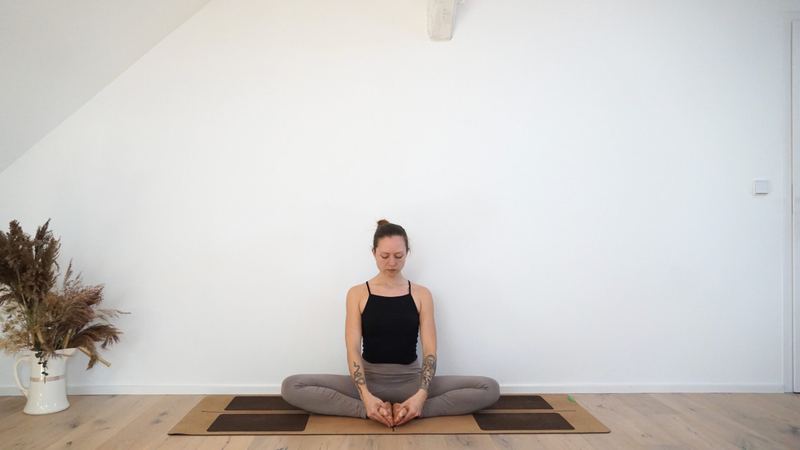
Meet Geraldine, a certified yoga teacher and psychology student who emphasizes mindfulness and alignment to inspire people toward a more peaceful life.
Common Mistakes
A common mistake in this posture is rounding in the lower back. It is important to keep the lower back long and to make the forward bend more from the hip.
Our Tip
A tip is to sit elevated on the edge of a blanket if you have the tendency to round in the upper body. This can help achieve a better alignment and stretch in the posture.
Variations
There is also a variation of the butterfly, the reclining butterfly, which is a relaxing variation lying on the back. Here the soles of the feet are brought together and the knees open to the sides. This variation is ideal at the beginning or at the end of a yoga session and can be practiced with a bolster and/or a blanket to support the spine. The hands can either rest along the body or be placed on the lower belly.
Physical Effect
Support of Digestion
The pose also has a positive effect on the abdominal organs. The slight forward bend in the posture and the gentle pressing of the thighs against the belly can massage the abdominal organs, increase circulation and thus foster digestion. This abdominal compression can help reduce bloating and stimulate the digestive system.
Hip Opener
Baddha Konasana is an outstanding pose for opening and stretching the inner thighs and the hip flexors. Through the gentle drawing of the feet toward the pelvis and the opening of the knees to the side, the adductors and the pelvic musculature are stretched. This fosters flexibility in the hip region and can help ease tension and stiffness that arise through prolonged sitting or standing.
Spinal Extension
Baddha Konasana also encourages an upright and extended spinal position. Through the conscious lifting of the ribcage and the lengthening of the back, the spine is aligned and the back musculature strengthened. This can help correct poor postures and ease back pain that arises through constant sitting in a bent position.
Effects on Psyche and Emotions
Grounding & Centering
Sitting with the soles of the feet together and the hands holding the feet or the toes helps generate a feeling of grounding and centering. This can help break down feelings of insecurity or anxiety.
Creative Flow
As the hips are also connected with our creative energy and our sacral chakra, opening this area can stimulate the creative flow. This can be especially useful when one feels blocked or uninspired.
Opening & Acceptance
Baddha Konasana not only opens the hips physically but can also help release emotional blockages in this area. The hips are often associated with suppressed emotions and traumas. By opening yourself in this asana, you can also open yourself mentally and emotionally.
Props
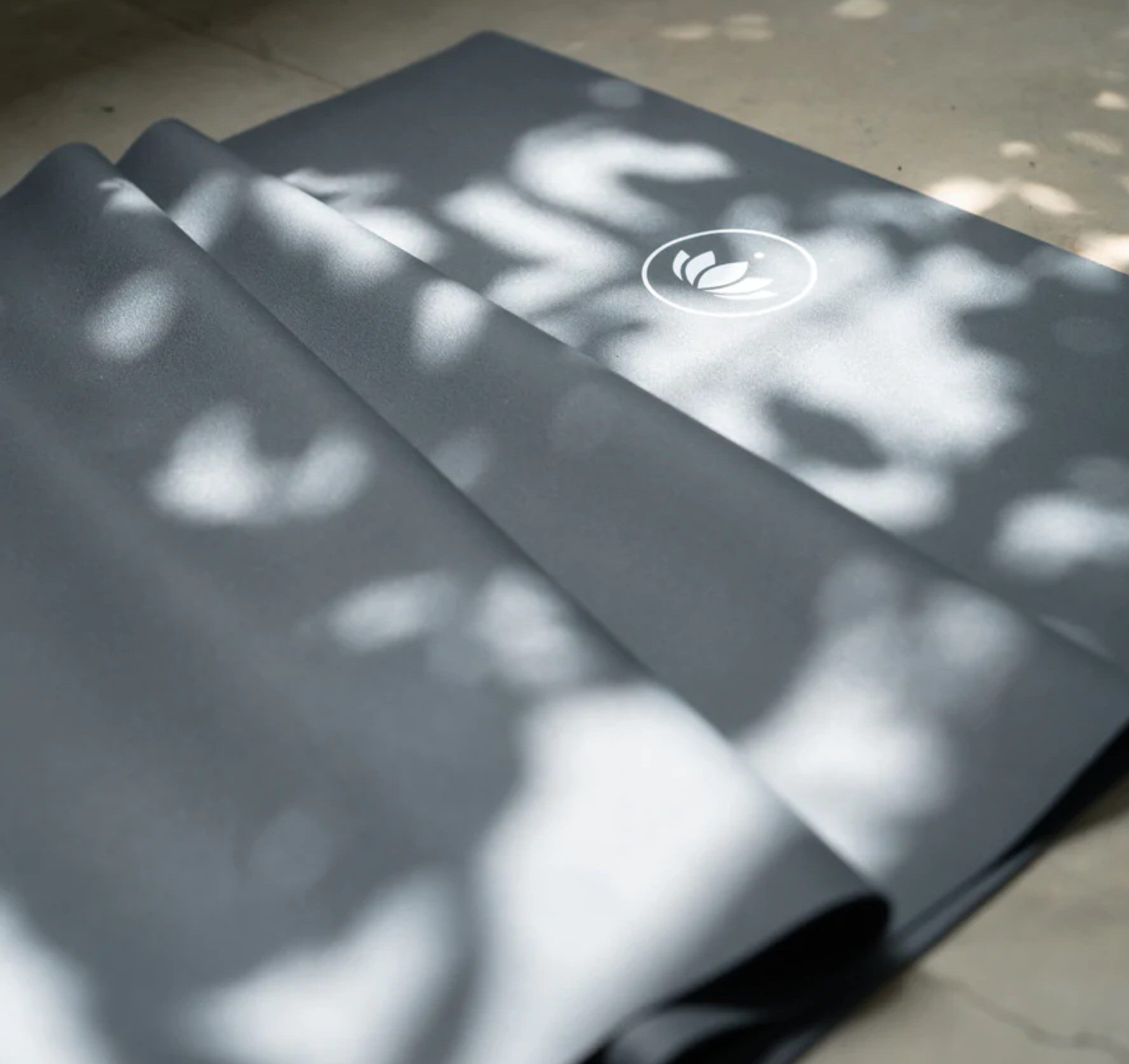
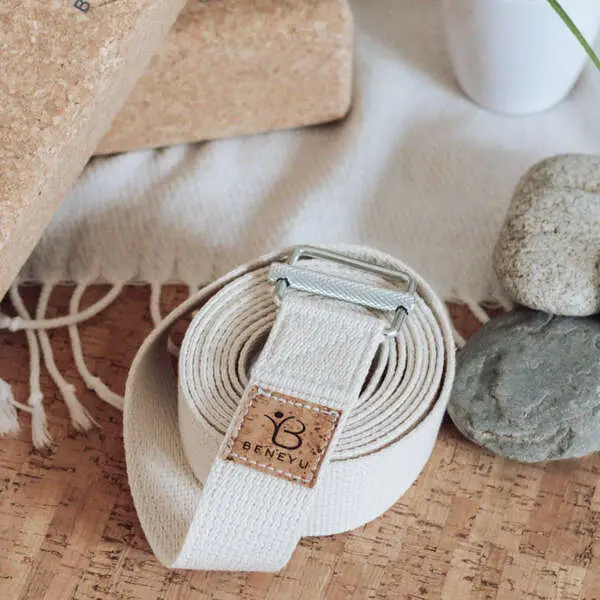
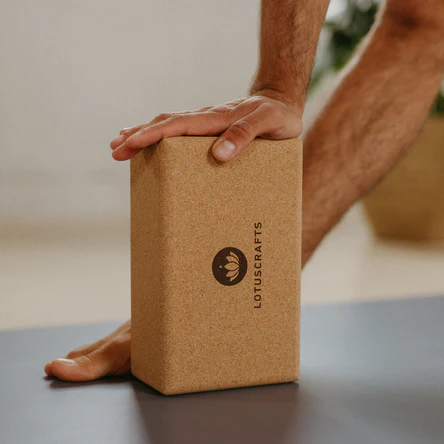
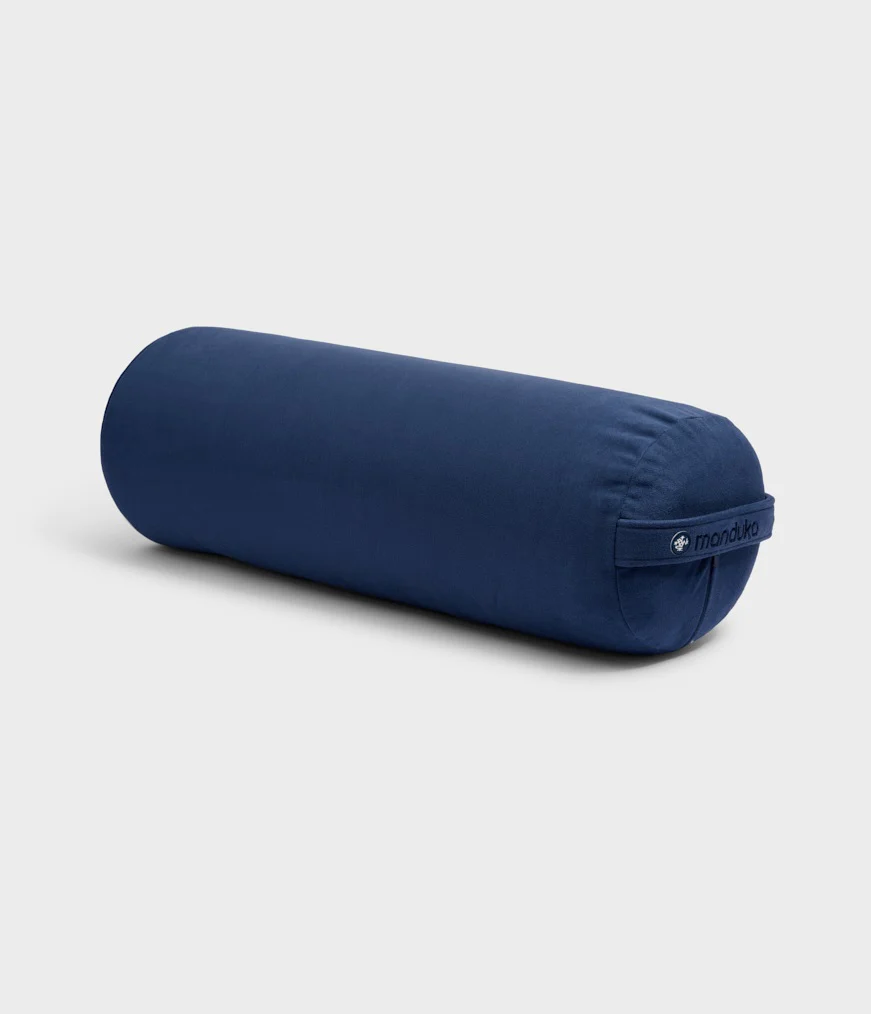
Also interesting!
Author of this Asana
Manish Rana is a certified yoga teacher and founder of asanaverse.de. He writes about topics around yoga, ayurveda and meditation. Manish owes his deep connection to yoga to his Indian roots, through which he came into contact with this practice early on.
Learn more about our team here →DISCOVER MORE
More Forward Bends
Get our free ebook with 108 asanas now!
With great care and passion, we have selected and described 108 of the most important asanas for you in detail!
Perfect for your practice and cues ;)
Thank you for being here!
Thank you for being here and being part of this ever-evolving platform! We strive to keep growing and improving.
Your feedback is invaluable. Namasté 🙏
Comments feature coming soon. 💬
Guide
Browse our guide now
Accessible Yoga Mobility: Chair Yoga and Inclusive Asanas for All Bodies
Ahimsa – Gewaltlosigkeit als Fundament des Yoga und Lebens
Yoga Sutras zusammengefasst – Kapitel 2 (Sadhana Pada): Pfad der Praxis
Meditation bei Überforderung und Angststörung: Achtsam bleiben in turbulenten Zeiten
12 Wege, das Sitzen in der Meditation zu erleichtern — Stabiler sitzen, tiefer meditieren
Brahmacharya: Quelle des Lebens für mehr Lebenskraft und Vitalität