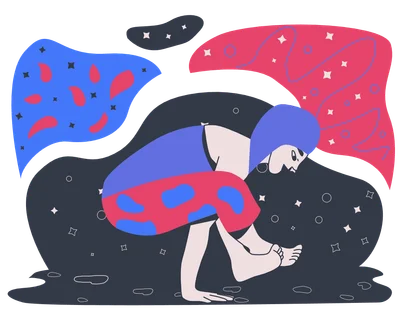
Bhujapidasana
Shoulder-Pressing Pose
Press with us into the powerful embrace of our Bhujapidasana Uncovered. Like a snake winding powerfully and purposefully through the urban thicket, this arm-pressing posture brings strength and determination into your urban life.
Category: Forward Bends
Forward Bends are asanas in which you gently stretch muscles and joints. They promote suppleness and mobility. Breathing in Forward Bends has a relaxing effect: you supply your muscles with oxygen and release tension.
VAYUS
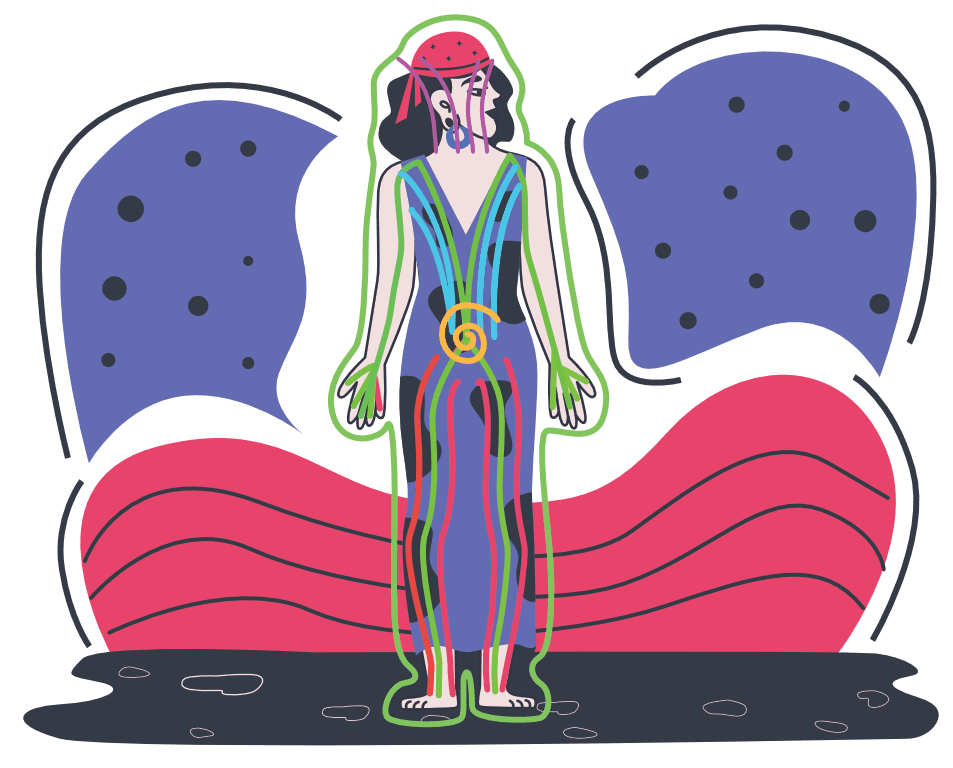
Each of the five Prana Vayus plays an essential role in our body and mind. They move and direct energy in specific directions, each with its own special area of influence and function. Shoulder-Pressing Pose has its own unique effects on these vayus.
Apana Vayu – The Grounding Force
▼
In Bhujapidasana, the arm-pressing posture, the asana works on Apana Vayu, the downward-directed energy located in the pelvic area. The compact posture and the pressure on the lower abdomen can support digestion and generate a detox effect. Practitioners who suffer from digestive problems could benefit from this asana.
Samana Vayu – The Balancing Force
▼
Through the activation of the abdominal area in Bhujapidasana, Samana Vayu, the balancing energy in the solar plexus, is stimulated. This even energy fosters the inner balance and helps calm the mind. People who have difficulty centering themselves in hectic times could find this asana useful.
Vyana Vayu – Expansion and Opening
▼
Bhujapidasana fosters Vyana Vayu, the energy that spreads throughout the entire body, through the intense activation of arms and legs. This asana improves circulation and ensures a stronger connection between body and mind. People who suffer from circulation disorders or a lack of coordination could find this posture helpful.
CHAKRAS
Swadhisthana Chakra (Sacral Chakra)
▼
In your lower abdomen is the Swadhisthana Chakra, the seat of creativity and flexibility. Bhujapidasana addresses this chakra and fosters flow and adaptability. Practice example: Do you sometimes feel rigid and inflexible, both physically and mentally? Bhujapidasana could be the fluid movement that helps you let go of the stiffness and bring yourself back into flow.
Muladhara Chakra (Root Chakra)
▼
The root chakra Muladhara, the anchor to the earth, symbolizes our connection to stability and safety. Bhujapidasana, with its need for balance, fosters this connection and the feeling of grounding.
Manipura Chakra (Solar Plexus Chakra)
▼
Your inner sun fire, the Manipura Chakra in the solar plexus, stokes the power of determination and will. Bhujapidasana, also known as the shoulder-pressing posture, ignites this inner fire and strengthens self-confidence and assertiveness.
KOSHAS
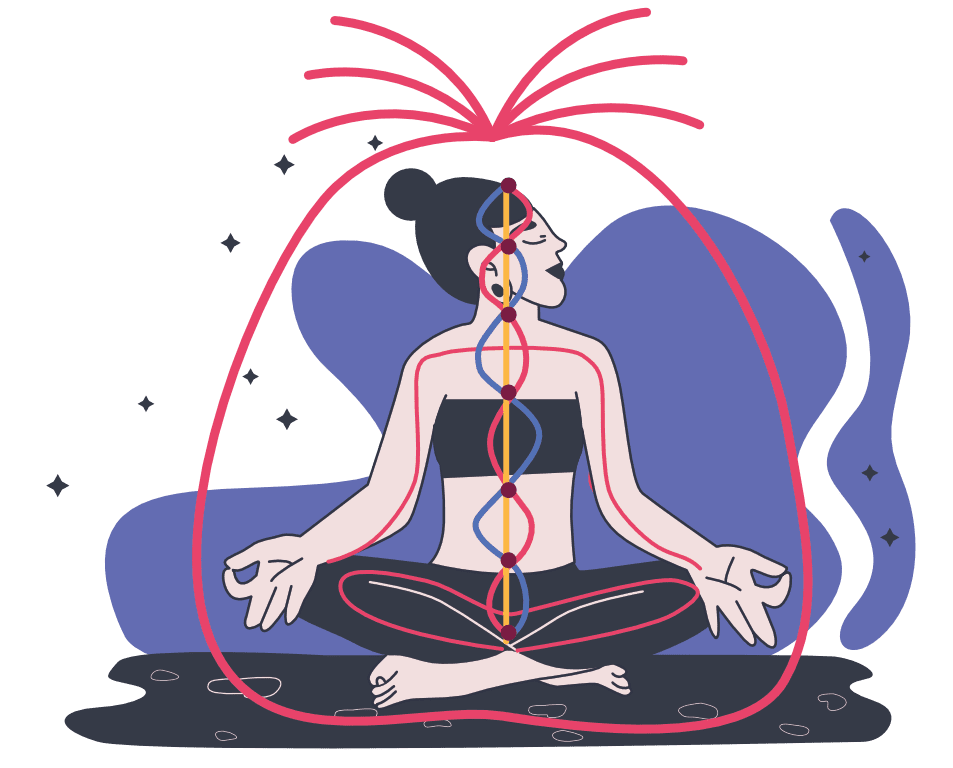
Annamaya Kosha (Physical Body)
▼
Annamaya Kosha encompasses the entire physical body. Bhujapidasana strengthens arms, wrists and abdominal musculature and improves balance and coordination.
Pranamaya Kosha (Energy Body)
▼
Pranamaya Kosha is the flow of energy in the body. Bhujapidasana fosters the flow of prana into the upper body, especially in the arms and the solar plexus, and thus helps activate the inner energy.
Manomaya Kosha (Mental Body)
▼
Manomaya Kosha governs emotions and thoughts. Bhujapidasana requires concentration and focus, which helps calm the mind and minimize distracting thoughts.
Vijnanamaya Kosha (Intellectual Body)
▼
Vijnanamaya Kosha stands for intuition and deeper understanding. Bhujapidasana can foster self-perception and help overcome obstacles or fears.
Anandamaya Kosha (Spiritual Body)
▼
Anandamaya Kosha represents a state of bliss. Reaching Bhujapidasana can evoke a feeling of joy and contentment, especially when it succeeds after effort and practice.
DOSHAS
Vata
▼
Bhujapidasana can calm the Vata dosha by bringing grounding and focus into the practice. The intense concentration and the stabilizing nature of this asana help center the often restless and scattered mind of Vata types. The pose fosters a deep connection to the earth that stabilizes the Vata dosha and conveys a feeling of safety and grounding.
Pitta
▼
Bhujapidasana can calm the Pitta dosha by encouraging Pitta types to channel their intense energy in a controlled and concentrated way. The pose requires strength and endurance, but also patience and mindfulness. For Pitta types, it is important to practice this asana without excessive ambition to keep the inner fire in balance and avoid overheating.
Kapha
▼
Bhujapidasana can increase the Kapha dosha by fostering stability and grounding in the body. This asana demands a strong connection to the earth through the hands and feet, which strengthens the grounding and helps Kapha types strengthen their natural stability. Holding this powerful pose can support Kapha individuals in maintaining their inner calm and steadiness.

Key Information for Correct Execution
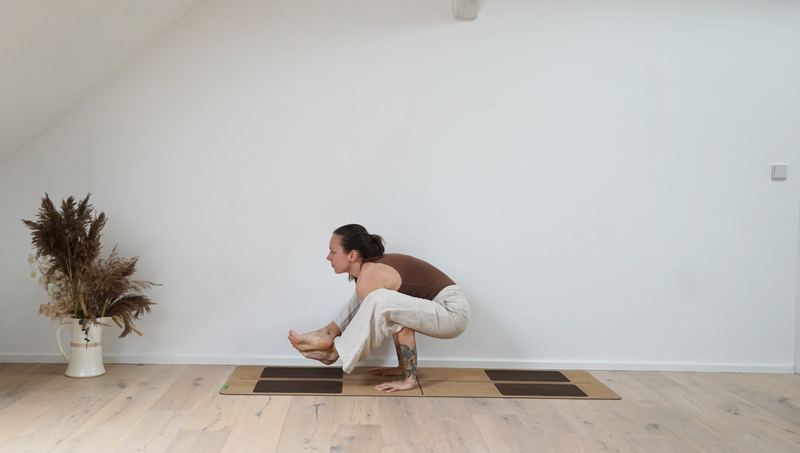
Meet Geraldine, a certified yoga teacher and psychology student who emphasizes mindfulness and alignment to inspire people toward a more peaceful life.
Common Mistakes
• Hands are not spread wide enough • Weight is too far back
Our Tip
As you draw the feet upward, at the same time draw your buttocks upward with the strength of your center, as if you were a scale. Keep the weight evenly distributed and find your point of balance in the middle.
Variations
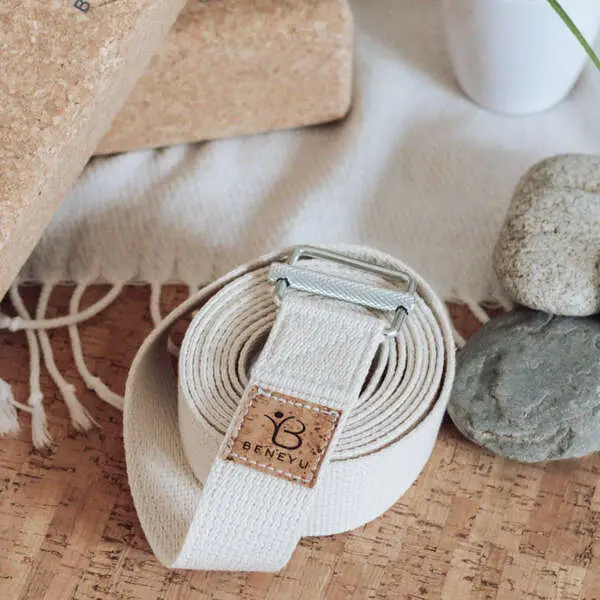
As a beginner, it can be helpful to work with two blocks to the right and left under the hands to gain more height.
Physical Effect
Shoulder Strengthening
Bhujapidasana, often referred to as the arm-pressing posture, requires an intense activation and strengthening of the shoulder musculature, especially the deltoid and the rotator cuff. These muscles are engaged to stabilize the body weight between the arms. This contributes not only to the strengthening of the shoulders but also improves the general shoulder health and mobility.
Hip Opening
During the performance of Bhujapidasana, the hip flexors, especially the iliopsoas, as well as the adductors of the thighs are stretched and opened. This fosters the flexibility and mobility of the hip and can help release tension that has accumulated through prolonged sitting or other sedentary activities.
Core Activation
For the correct performance of Bhujapidasana, it is necessary to strongly activate the abdominal musculature, especially the transversus abdominis and the rectus abdominis. This activation fosters the strengthening of the core and improves the stability of the torso. A strong core supports the lower back and can help reduce back pain and improve the general posture.
Effects on Psyche and Emotions
Self-Overcoming
Bhujapidasana, an advanced arm-balance pose, requires not only physical strength but also mental determination. Successfully mastering this posture can evoke a deep feeling of triumph and self-overcoming.
Patience & Acceptance
Not everyone will be able to perform Bhujapidasana on the first attempt. It requires patience and the ability to accept one's own limits. This can lead to a deeper level of self-acceptance, where one learns that progress takes time.
Grounding & Centering
Although Bhujapidasana is performed in the air, the feeling of grounding and centering is crucial for the performance. It reminds us that despite the challenges and the chaos surrounding us, an inner stability and calm can be found.
Props
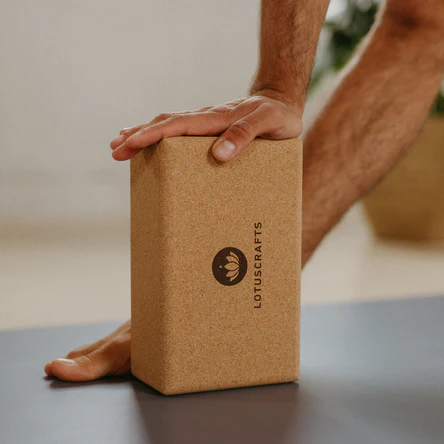
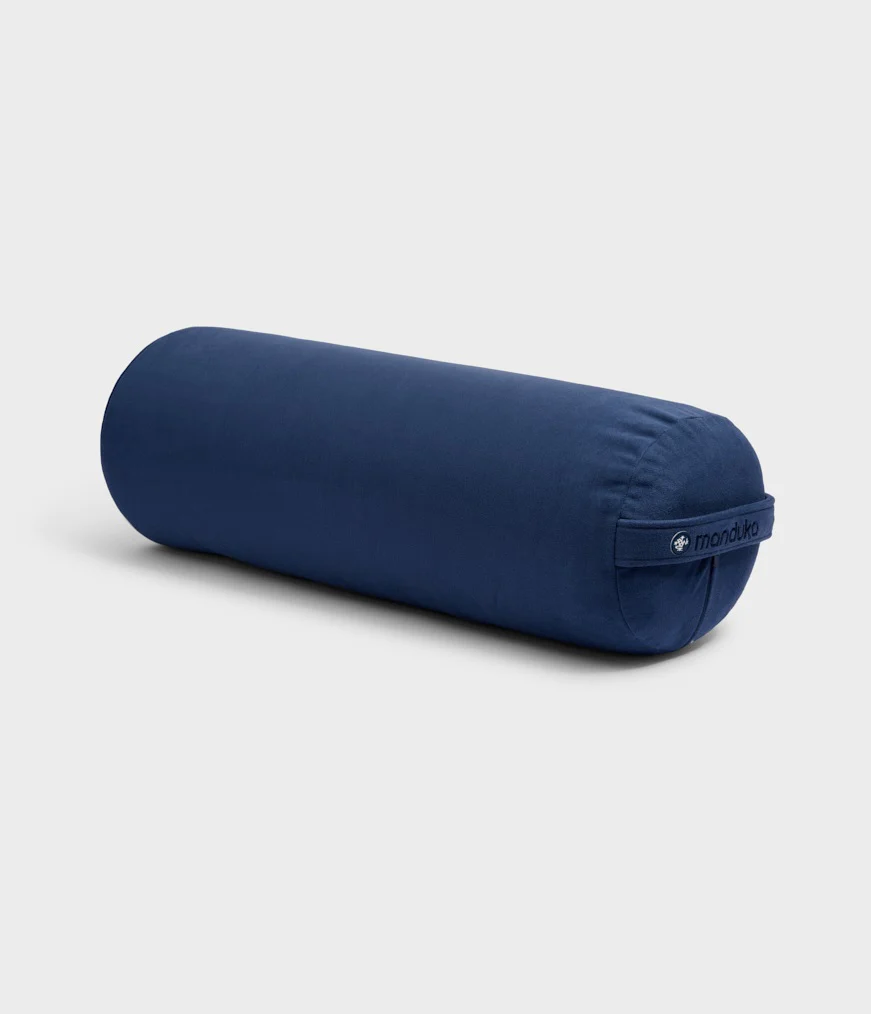
Also interesting!
Author of this Asana
Manish Rana is a certified yoga teacher and founder of asanaverse.de. He writes about topics around yoga, ayurveda and meditation. Manish owes his deep connection to yoga to his Indian roots, through which he came into contact with this practice early on.
Learn more about our team here →DISCOVER MORE
More Forward Bends
Get our free ebook with 108 asanas now!
With great care and passion, we have selected and described 108 of the most important asanas for you in detail!
Perfect for your practice and cues ;)
Thank you for being here!
Thank you for being here and being part of this ever-evolving platform! We strive to keep growing and improving.
Your feedback is invaluable. Namasté 🙏
Comments feature coming soon. 💬
Guide
Browse our guide now
Accessible Yoga Mobility: Chair Yoga and Inclusive Asanas for All Bodies
Ahimsa – Gewaltlosigkeit als Fundament des Yoga und Lebens
Yoga Sutras zusammengefasst – Kapitel 2 (Sadhana Pada): Pfad der Praxis
Meditation bei Überforderung und Angststörung: Achtsam bleiben in turbulenten Zeiten
12 Wege, das Sitzen in der Meditation zu erleichtern — Stabiler sitzen, tiefer meditieren
Brahmacharya: Quelle des Lebens für mehr Lebenskraft und Vitalität