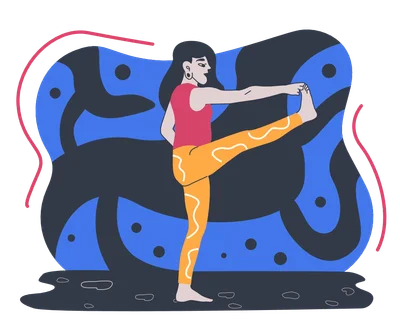
Eka Hasta Padangusthasana A
Standing Hand-to-Big-Toe Pose
Stand firm with us in the Utthita Hasta Padangusthasana A Uncovered. Like a sculptor working with precision and patience in the urban space, this standing hand-to-foot posture brings a mix of balance, concentration and clarity into your urban life.
Category: Forward Bends
Forward Bends are asanas in which you gently stretch muscles and joints. They promote suppleness and mobility. Breathing in Forward Bends has a relaxing effect: you supply your muscles with oxygen and release tension.
VAYUS
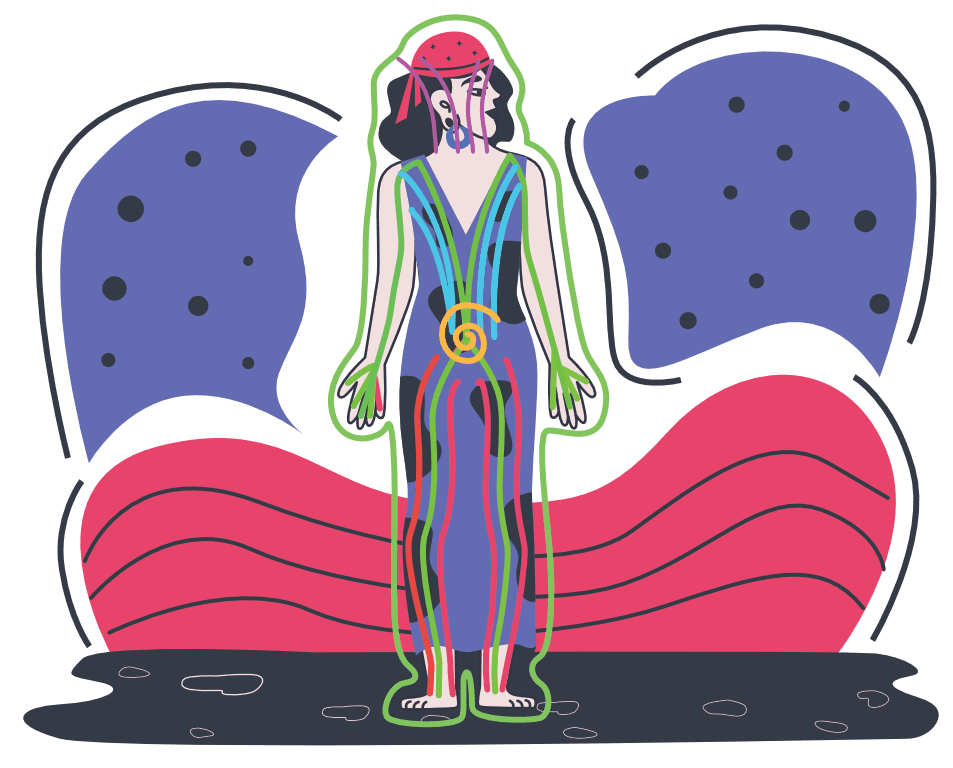
Each of the five Prana Vayus plays an essential role in our body and mind. They move and direct energy in specific directions, each with its own special area of influence and function. Standing Hand-to-Big-Toe Pose has its own unique effects on these vayus.
Apana Vayu – The Grounding Force
▼
This vayu, which stands for elimination and letting go, is located in the lower part of the body. In Utthita Hasta Padangusthasana A, Apana Vayu is stimulated through the steadfastness of the supporting leg and the active energy in the extended leg. This pose can help foster stability and a deep rootedness, which helps us let go of impurities of both a physical and energetic nature.
Samana Vayu – The Balancing Force
▼
Located in the center of the body, Samana Vayu is responsible for balance and the distribution of energy. The pose demands a strong center, whereby Samana Vayu is stimulated, which supports digestion and the integration of food and experiences. This is especially beneficial for cultivating a feeling of balance and inner harmony.
Prana Vayu – Expansion of Consciousness
▼
This upward- and inward-flowing vayu is concentrated in the chest area and supports breathing and the intake of life energy. Through the lifting of the leg and the extension of the arm in Utthita Hasta Padangusthasana A, the ribcage is opened and Prana Vayu is stimulated, which fosters a deep and enlivening breathing and refreshes the mind.
CHAKRAS
Muladhara Chakra (Root Chakra)
▼
This chakra is located at the base of the spine and is connected with the feeling of safety and stability. It is our foundation, which helps us feel grounded and present. In Utthita Hasta Padangusthasana A, this chakra is strongly activated through the steadfastness of the supporting leg.
Swadhisthana Chakra (Sacral Chakra)
▼
Located in the lower abdomen, this chakra is connected with creativity and sexual energy. It governs the sensory experience of pleasure and is associated with water. During the performance of Utthita Hasta Padangusthasana A, the opening of the hips supports the activation of this chakra.
Ajna Chakra (Brow Chakra)
▼
Located between the eyebrows and connected with intuition and insight. It enables us to see and understand beyond the physical realm. In this posture, Ajna is activated through the concentration and the focused gaze (drishti).
KOSHAS
Annamaya Kosha (Physical Body)
▼
This layer refers to the physical body. Utthita Hasta Padangusthasana A strengthens and stabilizes the leg muscles, especially the standing leg. It also improves the flexibility in the hips and fosters balance. This pose can improve posture and core stability.
Pranamaya Kosha (Energy Body)
▼
This layer encompasses the life energy that flows through breathing and energy channels. Utthita Hasta Padangusthasana A fosters the flow of prana throughout the entire body, which can lead to increased vitality and energy.
Manomaya Kosha (Mental Body)
▼
This layer contains the mind, emotions and thoughts. The concentration and balance required in Utthita Hasta Padangusthasana A foster mental clarity and calm the mind. The pose can help reduce stress and improve the ability to concentrate.
Vijnanamaya Kosha (Intellectual Body)
▼
This body refers to intuition and higher consciousness. Utthita Hasta Padangusthasana A challenges the practitioner to go beyond physical limits and thereby develop self-awareness and body awareness. The pose supports the development of intuition and inner wisdom.
Anandamaya Kosha (Spiritual Body)
▼
The most spiritual layer, connected with inner peace and happiness. Utthita Hasta Padangusthasana A can foster a feeling of connectedness with the inner self and lead to moments of stillness and inner calm.

DOSHAS
Vata
▼
This asana has a calming effect on the restless Vata dosha. The balance and focus on the standing leg help ground the flighty Vata, and the conscious breathing fosters an inner calm.
Pitta
▼
Utthita Hasta Padangusthasana A can balance the Pitta dosha, as it demands discipline and concentration without overheating too much. The posture helps calm the fiery nature of Pitta by requiring a focus on precision without fostering excessive ambition.
Kapha
▼
Utthita Hasta Padangusthasana A can stabilize and strengthen the Kapha dosha. The posture requires balance, concentration and a grounding connection to the standing leg, which increases Kapha energy and fosters a calm, centered posture.

Key Information for Correct Execution
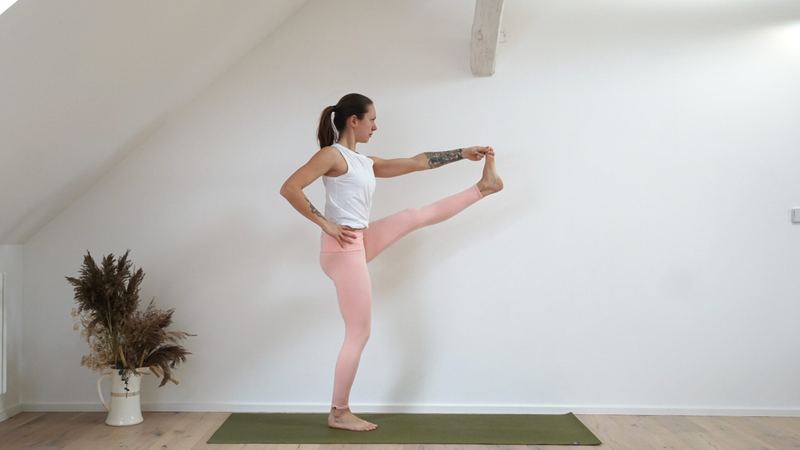
Meet Geraldine, a certified yoga teacher and psychology student who emphasizes mindfulness and alignment to inspire people toward a more peaceful life.
Common Mistakes
Common mistakes in this pose are a lifted hip and tense shoulders.
Our Tip
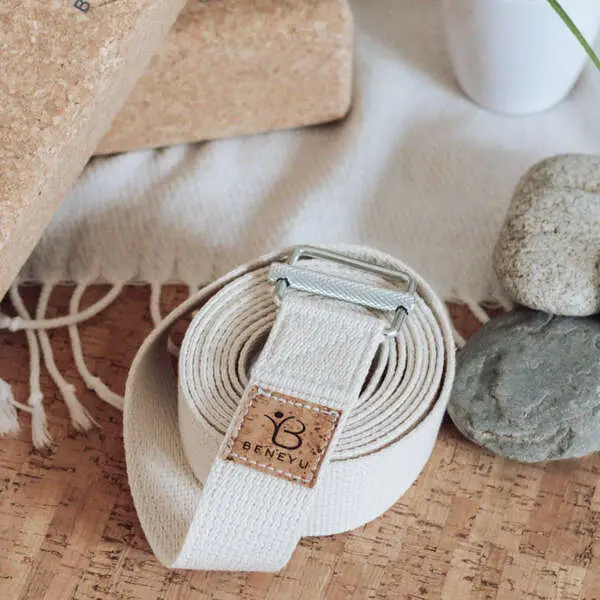
A tip for this posture is to be aware that most of us have shortened backs of the legs. Therefore it is advisable to work with a strap and slightly bend the standing leg while the upper leg is extended. Do not despair and find the way that suits you to benefit from the advantages of this pose.
Variations
• Beginners can first practice the pose at a wall to support the balance. • A yoga strap can be used to hold the raised foot if the flexibility is not yet sufficient.
Physical Effect
Strengthening Stability
This asana trains the vestibular system, which regulates balance, by improving the proprioceptive feedback between the body and the brain. The fine motor control and the stability of the ankle joints are fostered, as the small stabilizing muscles are activated to hold the balance. The shifting of the weight onto one leg also increases the bone density through the increased load, which can act preventively against osteoporosis.
Stretching Tendons
This asana improves the flexibility of the hamstrings, the adductors and the muscles of the lower back. Through the active stretch, the fascia, the connective tissue surrounding the muscles, is stretched and the circulation improved, which can contribute to reducing muscle stiffness and fostering regeneration. Regular practice can improve the mobility of the hip joints and contribute to the prevention of injuries.
Core Strength
The asana requires and fosters a strong activation of the core, especially the transverse abdominal musculature and the multifidus muscle, which are crucial for a good posture and spinal stability. These deep stabilizing muscles support the lumbar spine and help minimize the load on the intervertebral discs, which in turn can reduce the risk of herniated discs. The improvement of core strength also has a positive effect on breathing, as a strong core supports the diaphragm function.
Effects on Psyche and Emotions
Sharpening Focus
Utthita Hasta Padangusthasana A requires a deep concentration to hold the balance, which fosters mental clarity and the ability to focus. This improved concentration can be reflected in an increased performance in tasks that require attention.
Emotional Stability
The physical balance needed in this posture can support emotional equilibrium. Learning balance on one leg can be metaphorically transferred to finding balance in emotionally turbulent times.
Building Trust
Mastering this complex asana can increase self-confidence. With each practice session in which one makes progress or even just holds the balance a moment longer, the trust in one's own abilities builds up.
Props
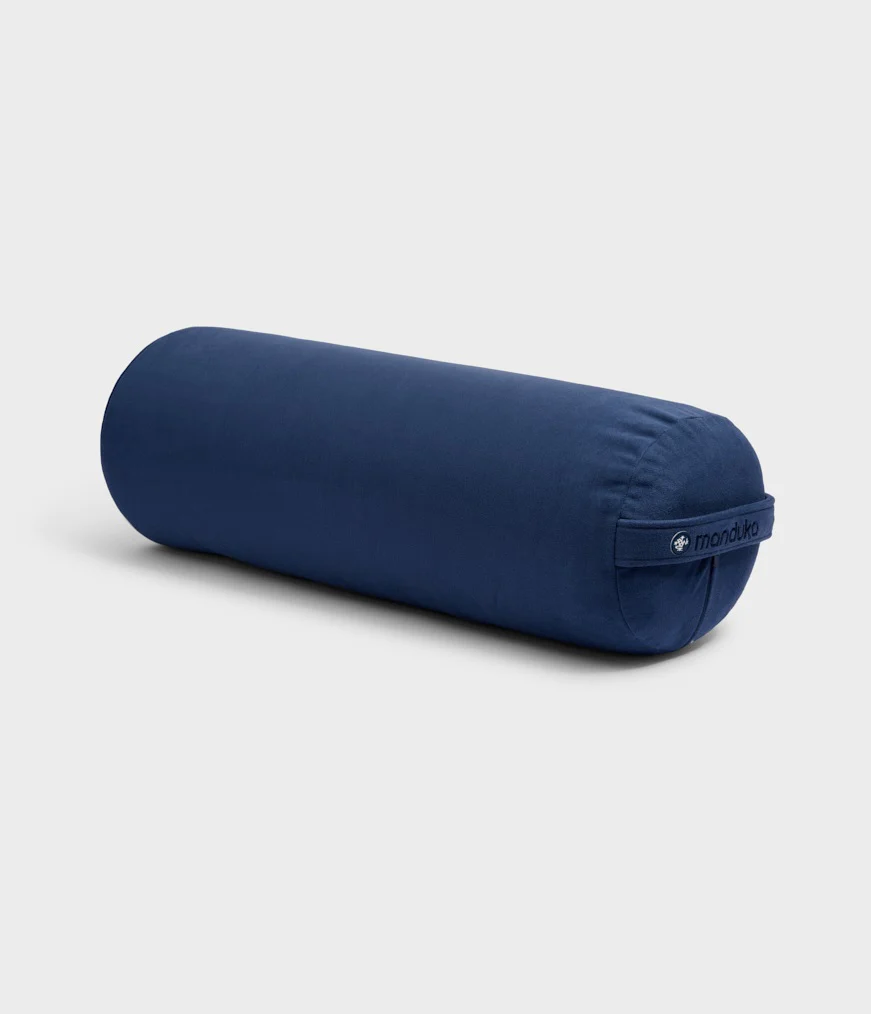
Also interesting!
Author of this Asana
Manish Rana is a certified yoga teacher and founder of asanaverse.de. He writes about topics around yoga, ayurveda and meditation. Manish owes his deep connection to yoga to his Indian roots, through which he came into contact with this practice early on.
Learn more about our team here →DISCOVER MORE
More Forward Bends
Get our free ebook with 108 asanas now!
With great care and passion, we have selected and described 108 of the most important asanas for you in detail!
Perfect for your practice and cues ;)
Thank you for being here!
Thank you for being here and being part of this ever-evolving platform! We strive to keep growing and improving.
Your feedback is invaluable. Namasté 🙏
Comments feature coming soon. 💬
Guide
Browse our guide now
Accessible Yoga Mobility: Chair Yoga and Inclusive Asanas for All Bodies
Ahimsa – Gewaltlosigkeit als Fundament des Yoga und Lebens
Yoga Sutras zusammengefasst – Kapitel 2 (Sadhana Pada): Pfad der Praxis
Meditation bei Überforderung und Angststörung: Achtsam bleiben in turbulenten Zeiten
12 Wege, das Sitzen in der Meditation zu erleichtern — Stabiler sitzen, tiefer meditieren
Brahmacharya: Quelle des Lebens für mehr Lebenskraft und Vitalität