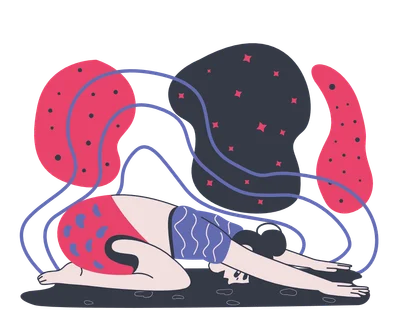
Balasana
Child's Pose
Dive with us into the magical world of the Balasana Uncovered. Like a gentle night cloud easing the noise of the city, this child's pose brings stillness into your dynamic everyday life.
Category: Forward Bends
Forward Bends are asanas in which you gently stretch muscles and joints. They promote suppleness and mobility. Breathing in Forward Bends has a relaxing effect: you supply your muscles with oxygen and release tension.
VAYUS
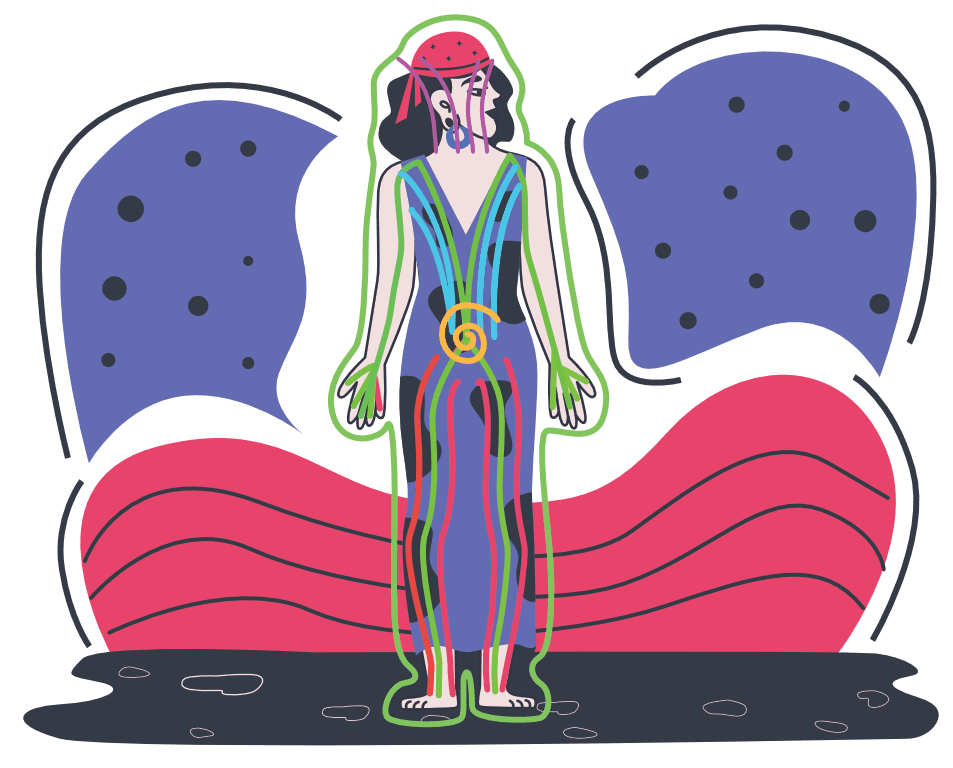
Each of the five Prana Vayus plays an essential role in our body and mind. They move and direct energy in specific directions, each with its own special area of influence and function. Child's Pose has its own unique effects on these vayus.
Apana Vayu – The Grounding Force
▼
In Balasana, Apana Vayu, the downward-directed and grounding energy, is strongly activated. This vayu is responsible for elimination and the detoxification of the body and sits in the lower abdominal and pelvic area. Through the drawing in of the belly and the sinking down of the body in the child's pose, Apana Vayu is stimulated. This asana helps ground the body, reduce stress and foster a feeling of deep rootedness and safety.
Samana Vayu – The Balancing Force
▼
Samana Vayu, the centering and balancing energy, has its seat in the area of the navel and is responsible for digestion and the distribution of energy in the body. In Balasana, Samana Vayu is harmonized by gently laying the upper body over the thighs. This posture fosters the balance between inhalation and exhalation and helps balance the energy in the body, which leads to a feeling of inner harmony and calm.
Prana Vayu – Expansion of Consciousness
▼
Prana Vayu, the inward-directed and ascending energy, is located in the chest area and responsible for breathing and the intake of life energy. In the child's pose, Prana Vayu is activated by deepening the flow of breath and gently stretching the chest space. This asana supports the intake of fresh energy, fosters relaxation and helps calm the mind and harmonize the breathing.
CHAKRAS
Muladhara Chakra (Root Chakra)
▼
In Balasana, the Muladhara Chakra is addressed through the deep connection of the body with the floor. This grounding fosters a feeling of safety and stability, core qualities of the root chakra at the base of the spine. The withdrawal into the pose conveys a deep feeling of rootedness and calm.
Manipura Chakra (Solar Plexus Chakra)
▼
Balasana works subtly on the Manipura Chakra, located in the area of the solar plexus. This chakra is the center of our willpower, self-confidence and inner strength. Through the gentle turning inward and the relaxation in Balasana, the Manipura Chakra can be calmed and harmonized, which helps break down inner tension and foster a feeling of self-confidence and inner calm.
Swadhisthana Chakra (Sacral Chakra)
▼
Balasana also influences the Swadhisthana Chakra, located in the lower abdominal area and the hip region. This chakra is connected with our creative energy and our emotions. The calming and relaxing nature of Balasana can release blockages in the Swadhisthana Chakra and harmonize the flow of energy in this area, which leads to a feeling of emotional balance and creativity.
KOSHAS
Annamaya Kosha (Physical Body)
▼
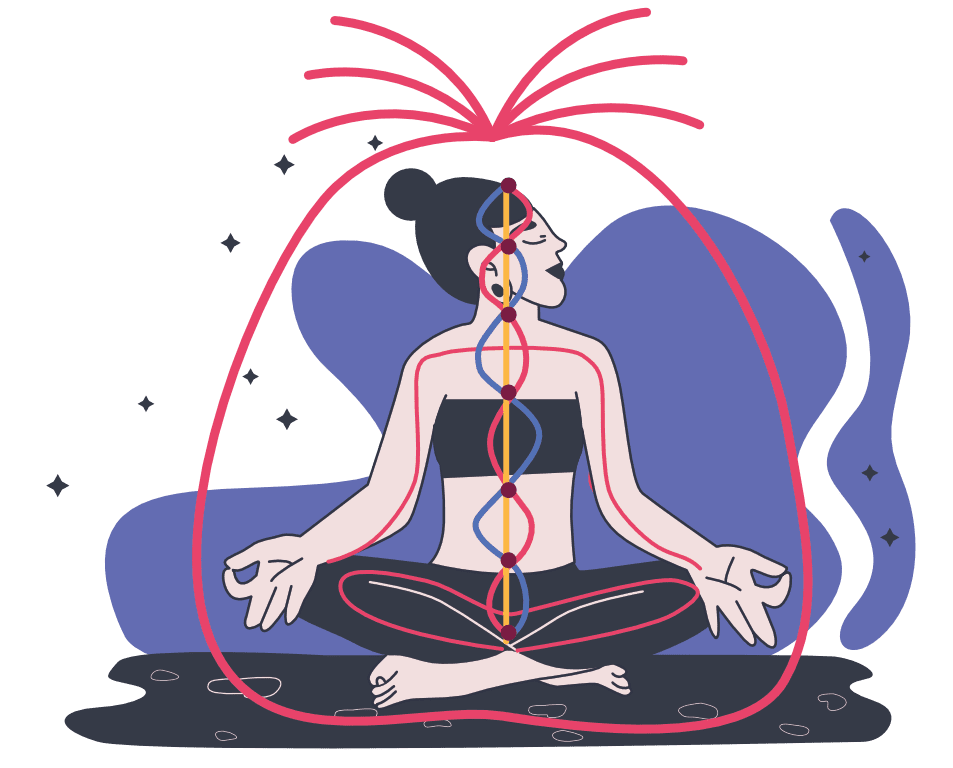
Annamaya Kosha (physical body): Balasana stretches and relaxes the spine, hips, thighs and hamstrings.
Pranamaya Kosha (Energy Body)
▼
Through deep breathing in the asana, prana is distributed throughout the entire body. Example: With a lack of energy, Balasana can activate the Pranamaya Kosha and bring new energy.
Manomaya Kosha (Mental Body)
▼
Balasana fosters concentration and helps calm the mind. Example: With mental restlessness or fears, the asana can calm the Manomaya Kosha and bring clarity.
Vijnanamaya Kosha (Intellectual Body)
▼
In the posture of humility of Balasana, we can better explore our inner wisdom and intuition.
Anandamaya Kosha (Spiritual Body)
▼
Balasana supports the connection with the Anandamaya Kosha by conveying a feeling of calm and security.
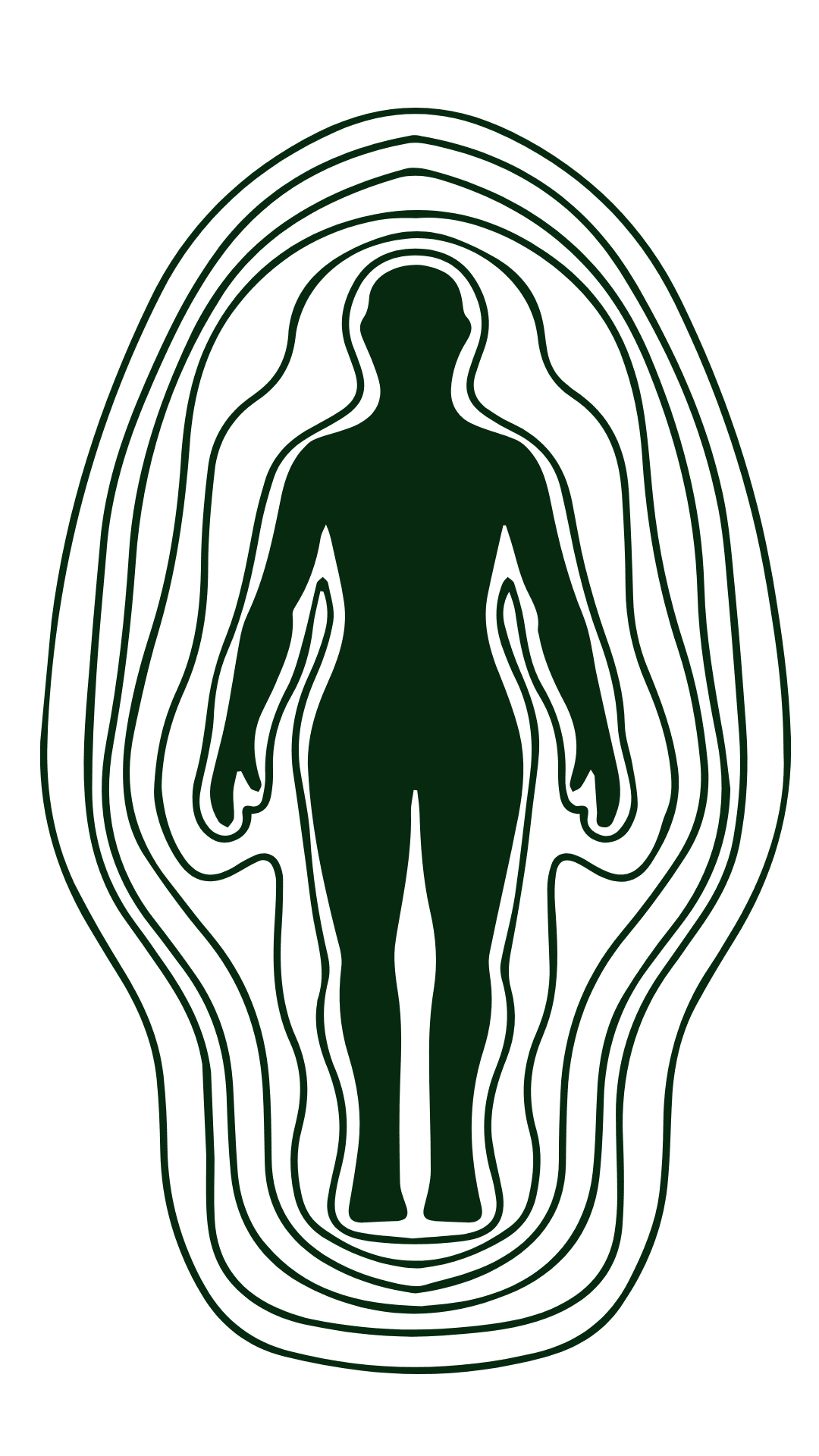
DOSHAS
Vata
▼
Balasana has a strongly calming effect on the Vata dosha. The gentle, inward-directed posture and the connection of the body with the floor foster grounding and stability, which Vata often lacks. This pose helps reduce nervousness and restlessness by centering the mind and bringing the body to rest. For Vata-dominant people, Balasana can be an effective practice for attaining a feeling of safety and inner peace.
Pitta
▼
Balasana is especially beneficial for the Pitta dosha, as it has a cooling and calming effect. This asana fosters letting go and relaxation, which helps break down excess heat and tension. For people with a high Pitta dosha who tend toward overheating and irritability, Balasana offers a way to calm the inner fire and foster a state of serenity.
Kapha
▼
Balasana supports the Kapha dosha by strengthening the stability and calm in the body. The asana fosters a deep grounding and a feeling of security, which strengthens the typical qualities of Kapha. Through the gentle, calming nature of this pose, Kapha is strengthened, which fosters a feeling of steadiness and inner calm.

Key Information for Correct Execution
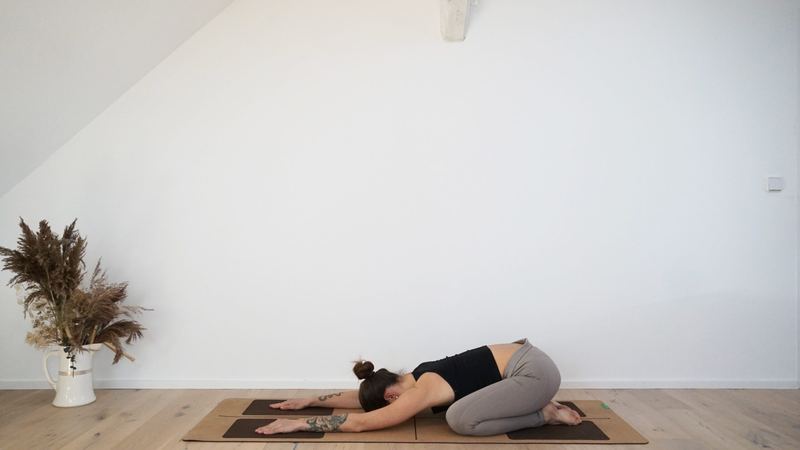
Meet Geraldine, a certified yoga teacher and psychology student who emphasizes mindfulness and alignment to inspire people toward a more peaceful life.
Common Mistakes
A common mistake in this posture is an overextension of the neck. Use a blanket under the forehead to relieve the neck and take a comfortable position.
Our Tip
A tip is to use the child's pose as a starting position for your yoga practice. It is also a popular resting position and can be taken at any time as a relaxation break during the day or before going to sleep. Listen to the needs of your body and enjoy the calming effect of this pose.
Physical Effect
Calming the Nervous System
Balasana has a calming effect on the nervous system and helps break down stress and tension. Through the gentle forward bend and the relaxed posture, the parasympathetic nervous system is activated, which fosters relaxation and regeneration.
Stretching the Hip Musculature
Balasana gently stretches the muscles in the hips and thighs and can help reduce hip stiffness. Through this stretch, the mobility of the hip joints is improved and the general well-being fostered.
Relaxation for the Lower Back
Balasana helps relax the musculature in the lower back and release tension. This asana fosters the stretch of the lumbar spine and can help ease back pain.
Effects on Psyche and Emotions
Improvement of Self-Care
Through the posture of humility in Balasana, we can establish a deeper connection to ourselves and practice self-care.
Calming of Fears
Balasana helps ease fears and worries by conveying a feeling of safety and security.
Stress Reduction
Balasana fosters relaxation and helps break down stress and tension. Example: In stressful times or with burnout, the regular practice of Balasana can help reduce the stress level and strengthen the emotional resilience.
Props
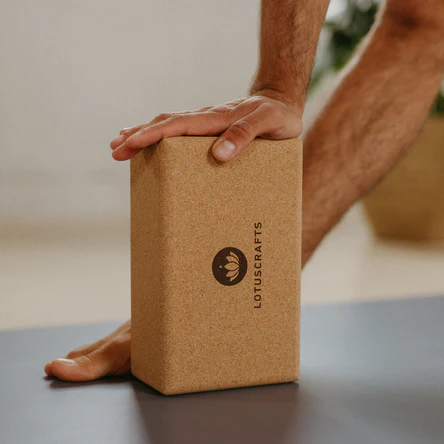
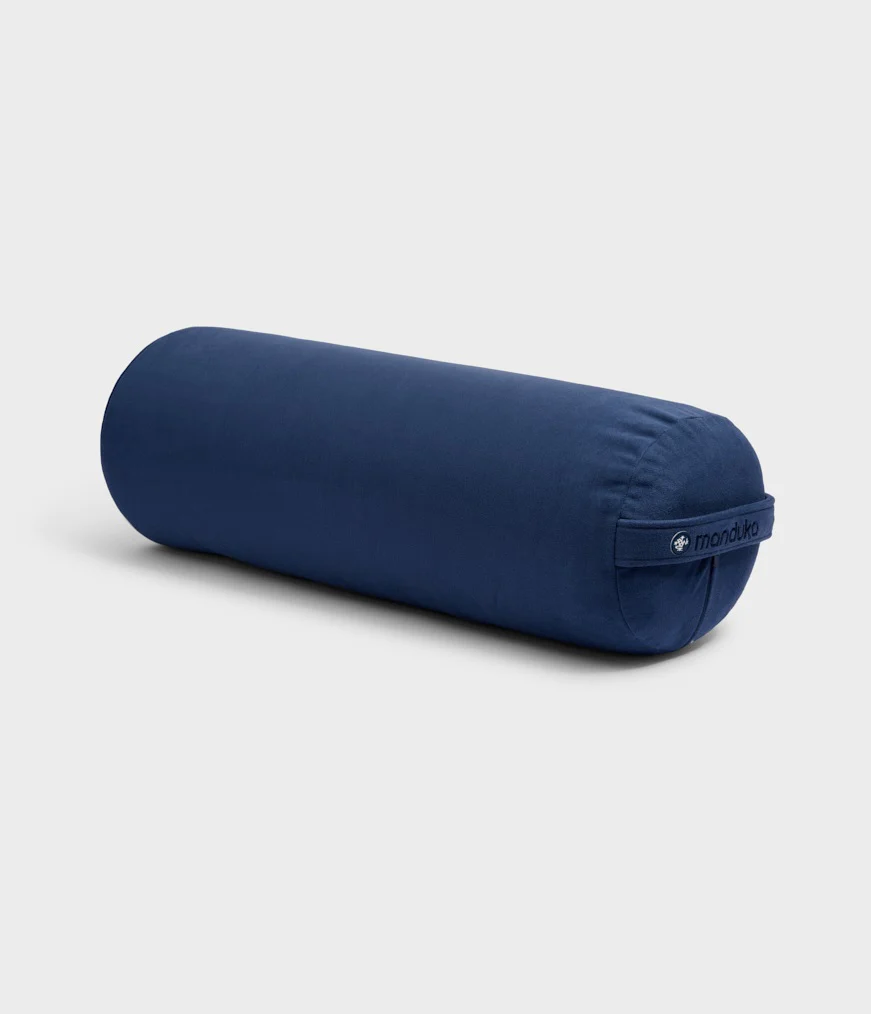
Also interesting!
Author of this Asana
Manish Rana is a certified yoga teacher and founder of asanaverse.de. He writes about topics around yoga, ayurveda and meditation. Manish owes his deep connection to yoga to his Indian roots, through which he came into contact with this practice early on.
Learn more about our team here →DISCOVER MORE
More Forward Bends
Get our free ebook with 108 asanas now!
With great care and passion, we have selected and described 108 of the most important asanas for you in detail!
Perfect for your practice and cues ;)
Thank you for being here!
Thank you for being here and being part of this ever-evolving platform! We strive to keep growing and improving.
Your feedback is invaluable. Namasté 🙏
Comments feature coming soon. 💬
Guide
Browse our guide now
Accessible Yoga Mobility: Chair Yoga and Inclusive Asanas for All Bodies
Ahimsa – Gewaltlosigkeit als Fundament des Yoga und Lebens
Yoga Sutras zusammengefasst – Kapitel 2 (Sadhana Pada): Pfad der Praxis
Meditation bei Überforderung und Angststörung: Achtsam bleiben in turbulenten Zeiten
12 Wege, das Sitzen in der Meditation zu erleichtern — Stabiler sitzen, tiefer meditieren
Brahmacharya: Quelle des Lebens für mehr Lebenskraft und Vitalität