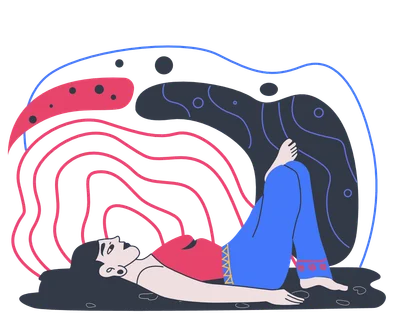
Supta Kaptasana
Reclining Pigeon Pose
Dive with us into the sheltered depths of the Supta Kapotasana Uncovered. Like a cradle gently rocking in the wind of the big city, this reclining pigeon pose offers a refuge of calm and renewal.
Category: Forward Bends
Forward Bends are asanas in which you gently stretch muscles and joints. They promote suppleness and mobility. Breathing in Forward Bends has a relaxing effect: you supply your muscles with oxygen and release tension.
VAYUS
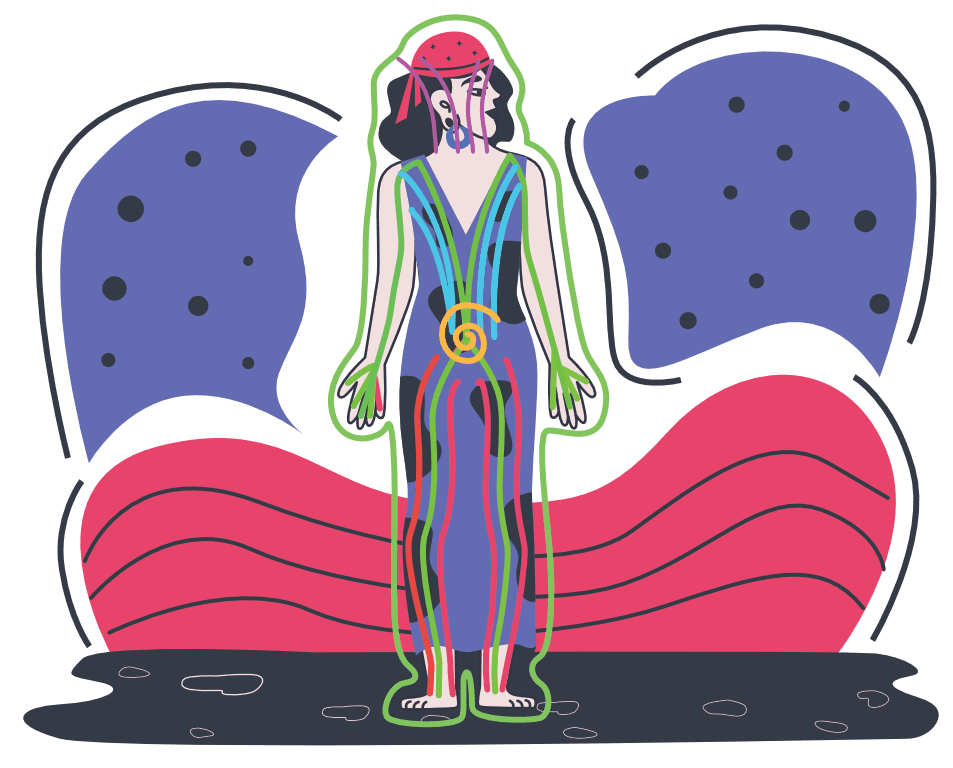
Each of the five Prana Vayus plays an essential role in our body and mind. They move and direct energy in specific directions, each with its own special area of influence and function. Reclining Pigeon Pose has its own unique effects on these vayus.
Apana Vayu – The Grounding Force
▼
By opening the hip in Supta Kapotasana, one stimulates the Apana Vayu, located in the lower regions of our body. This asana supports detoxification and fosters elimination. A deep letting go in this pose can also help release emotional burdens that we may carry in our hips.
Samana Vayu – The Balancing Force
▼
The gentle backbend and hip opening in this asana have a direct effect on the navel area, where the Samana Vayu, our balancing and centering energy, is at home. The pose fosters the balance of body and mind and the harmonization of the flow of breath.
Prana Vayu – Expansion of Consciousness
▼
The opening of the heart space in Supta Kapotasana enlivens the Prana Vayu in the heart and lung area, responsible for the ascending and inward-directed energy. The asana supports deep breaths and nourishes the nervous system.
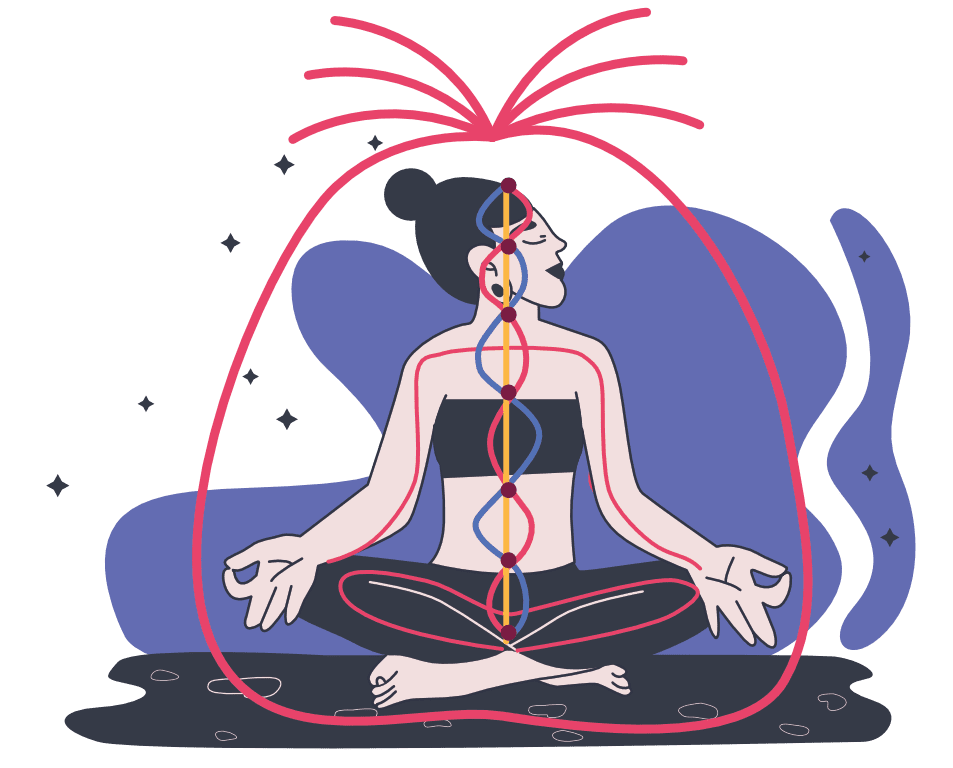
CHAKRAS
Muladhara Chakra (Root Chakra)
▼
Supta Kapotasana works intensely on the Muladhara Chakra, located at the base of the spine. This asana fosters grounding and stability by establishing a deep connection to the earth. The closeness to the floor of the pose helps strengthen the feeling of safety and security. This is especially helpful for reducing fears and insecurities and creating a strong foundation.
Swadhisthana Chakra (Sacral Chakra)
▼
In Supta Kapotasana, the Swadhisthana Chakra in the lower abdominal and pelvic area is activated through the deep hip opening. This chakra is connected with creativity, emotions and sensual joy. The stretching and opening of the hips helps release emotional blockages and foster the flow of creative energy.
Manipura Chakra (Solar Plexus Chakra)
▼
The gentle activation of the belly and the associated stabilization in Supta Kapotasana stimulate the Manipura Chakra in the area of the solar plexus. This chakra stands for self-confidence, willpower and inner strength. The engagement of the core in this pose helps kindle the inner fire and foster self-assurance.
KOSHAS
Annamaya Kosha (Physical Body)
▼
Annamaya Kosha represents the physical body. Supta Kapotasana intensely stretches the hips, thighs and the lower back. It fosters mobility in these areas and can help release tension and stiffness.
Pranamaya Kosha (Energy Body)
▼
Pranamaya Kosha symbolizes the flow of energy. Through the opening of the hips in Supta Kapotasana, the Swadhisthana Chakra is stimulated, which is connected with our emotions and our creativity.
Manomaya Kosha (Mental Body)
▼
Manomaya Kosha stands for our mind and our thoughts. The pose requires patience and devotion, as it can be both physically and mentally challenging.
Vijnanamaya Kosha (Intellectual Body)
▼
Vijnanamaya Kosha refers to intuition and understanding. Through the deep stretch and relaxation in Supta Kapotasana, the awareness is sharpened and the practitioner can better listen to their inner voice.
Anandamaya Kosha (Spiritual Body)
▼
Anandamaya Kosha represents our deepest joy and our true self. The surrender in Supta Kapotasana and the letting go of physical and mental tension can lead to a feeling of peace and bliss.

DOSHAS
Vata
▼
Supta Kapotasana has a calming effect on the Vata dosha. The grounding posture and the deep breathing in this pose help balance the fleeting and restless nature of Vata. The deep hip opening and the closeness to the earth foster a feeling of calm and inner stability, which reduces Vata and calms the mind.
Pitta
▼
Supta Kapotasana reduces the Pitta dosha through its cooling and relaxing effect. The asana fosters letting go and relaxation, which helps break down excess heat and tension. Through the gentle stretch and the deep breathing in this pose, the Pitta dosha is calmed and the inner balance is restored.
Kapha
▼
Supta Kapotasana can increase the Kapha dosha, as the pose has a calming and grounding effect. The gentle stretch and the closeness to the floor foster the Kapha qualities such as stability, calm and steadiness. This asana supports the feeling of security and safety, which strengthens grounding and well-being.

Key Information for Correct Execution
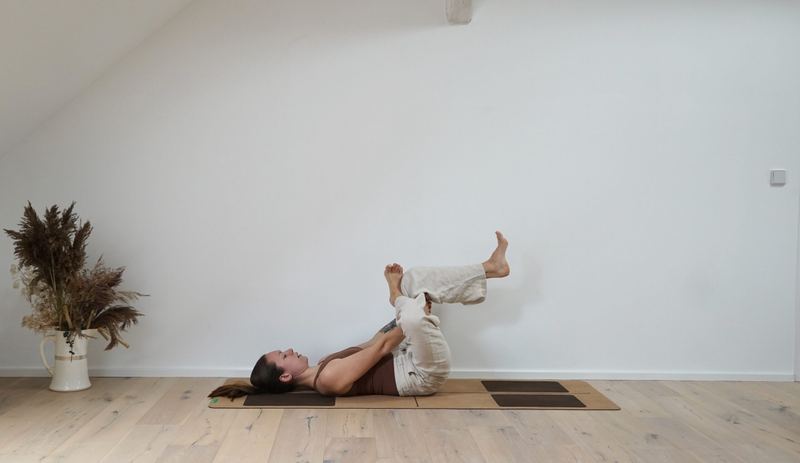
Meet Geraldine, a certified yoga teacher and psychology student who emphasizes mindfulness and alignment to inspire people toward a more peaceful life.
Common Mistakes
A common mistake in this posture is that the shoulder blades are not relaxed or lift off the floor. Make sure that you draw the shoulders into the mat and open them outward. In addition, the feet should be active by drawing the toes toward you. Also avoid an overextension of the neck.
Our Tip
A tip is to do this reclining figure 4 as a concluding exercise at the end of your practice. You can play a little with the angle of the knee to find the right “sweet spot” for your hip stretch. Experiment and feel what feels best for your body.
Physical Effect
Organic Stimulation
Through the intense stretch in the lower abdomen, Supta Kapotasana can help massage and stimulate the internal organs, especially the digestive organs. This can stimulate the peristalsis and thus have a supporting effect with digestive problems.
Spinal Extension
Through the reclining position, the entire back of the body and the hips are gently relieved, and the spine can lengthen. This can help release tension that arises through constant forward bending, e.g. at the desk or when using a smartphone. A more upright posture can ease breathing complaints and improve the general breathing capacity.
Intense Hip Opening
Supta Kapotasana is especially known for its ability to stretch the hip flexors and the inner thigh muscles (adductors). This stretch can be therapeutically valuable for people who sit a lot or perform certain repetitive activities. The hip flexors, especially the psoas muscle, can contribute to back pain and posture dysfunctions with chronic shortening.
Effects on Psyche and Emotions
Inner Peace
The gentle immersion in Supta Kapotasana enables us to calm the mind and concentrate on the breath. This meditative quality of the pose can lead to a deep feeling of inner peace and serenity.
Emotional Healing
Through the deep stretching of the hip flexor musculature, where many of us store emotional tension, Supta Kapotasana fosters the release of held feelings. This creates space for processing and healing.
Grounding & Stability
Supta Kapotasana enables us to come into contact with the earth and feel stabilized and grounded. By laying the body on the floor and crossing one foot over the opposite leg, the feeling of grounding is intensified.
Props
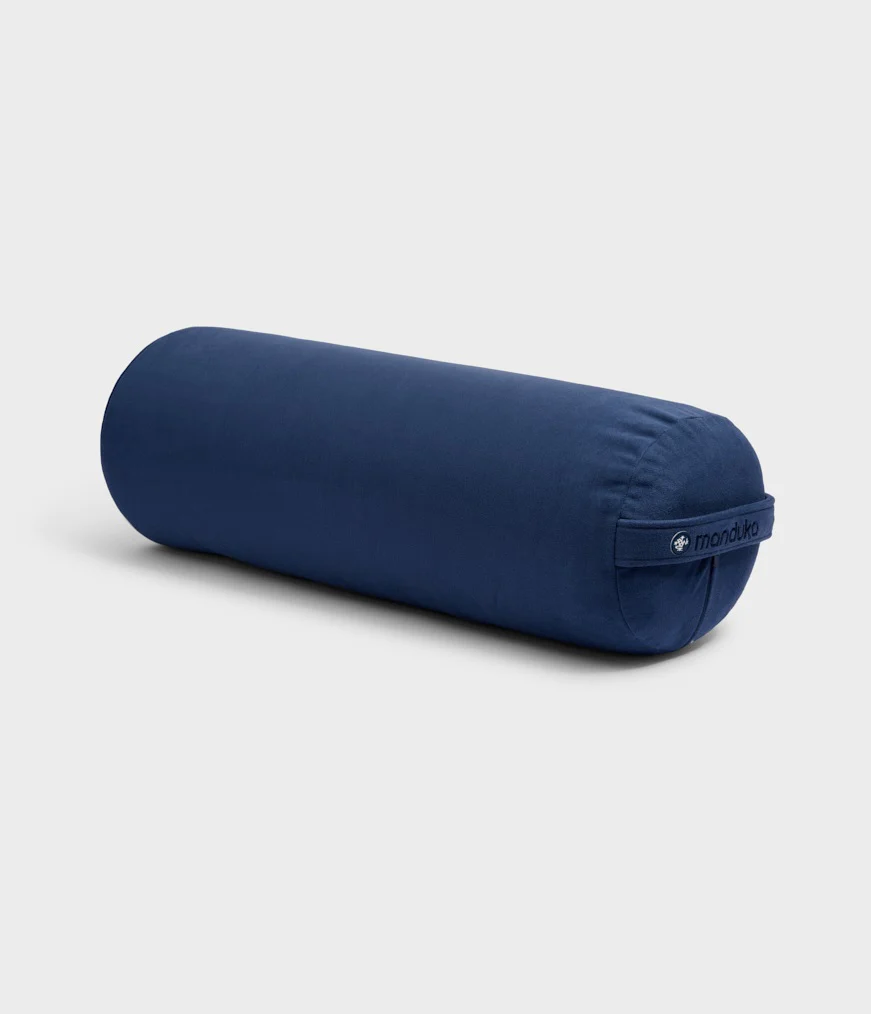
Also interesting!
Author of this Asana
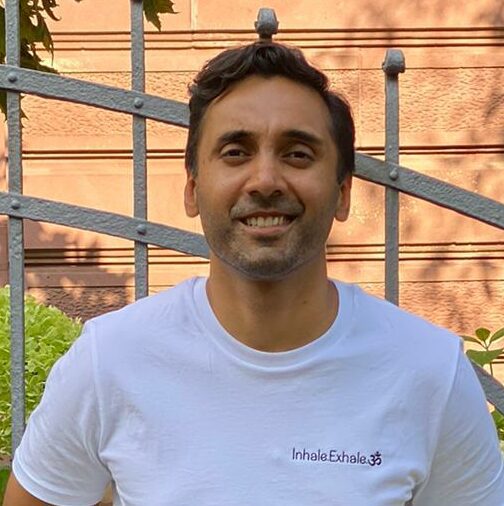
Manish Rana is a certified yoga teacher and founder of asanaverse.de. He writes about topics around yoga, ayurveda and meditation. Manish owes his deep connection to yoga to his Indian roots, through which he came into contact with this practice early on.
Learn more about our team here →DISCOVER MORE
More Forward Bends
Get our free ebook with 108 asanas now!
With great care and passion, we have selected and described 108 of the most important asanas for you in detail!
Perfect for your practice and cues ;)
Thank you for being here!
Thank you for being here and being part of this ever-evolving platform! We strive to keep growing and improving.
Your feedback is invaluable. Namasté 🙏
Comments feature coming soon. 💬
Guide
Browse our guide now
Accessible Yoga Mobility: Chair Yoga and Inclusive Asanas for All Bodies
Ahimsa – Gewaltlosigkeit als Fundament des Yoga und Lebens
Yoga Sutras zusammengefasst – Kapitel 2 (Sadhana Pada): Pfad der Praxis
Meditation bei Überforderung und Angststörung: Achtsam bleiben in turbulenten Zeiten
12 Wege, das Sitzen in der Meditation zu erleichtern — Stabiler sitzen, tiefer meditieren
Brahmacharya: Quelle des Lebens für mehr Lebenskraft und Vitalität