Tolasana
Scale Pose
Lift off with us in the Tolasana Uncovered. Like a powerful rocket rising from the urban platform into the sky, the scale pose brings a fascinating mix of strength, control and lightness into your urban life.
Category: Forward Bends
Forward Bends are asanas in which you gently stretch muscles and joints. They promote suppleness and mobility. Breathing in Forward Bends has a relaxing effect: you supply your muscles with oxygen and release tension.
VAYUS
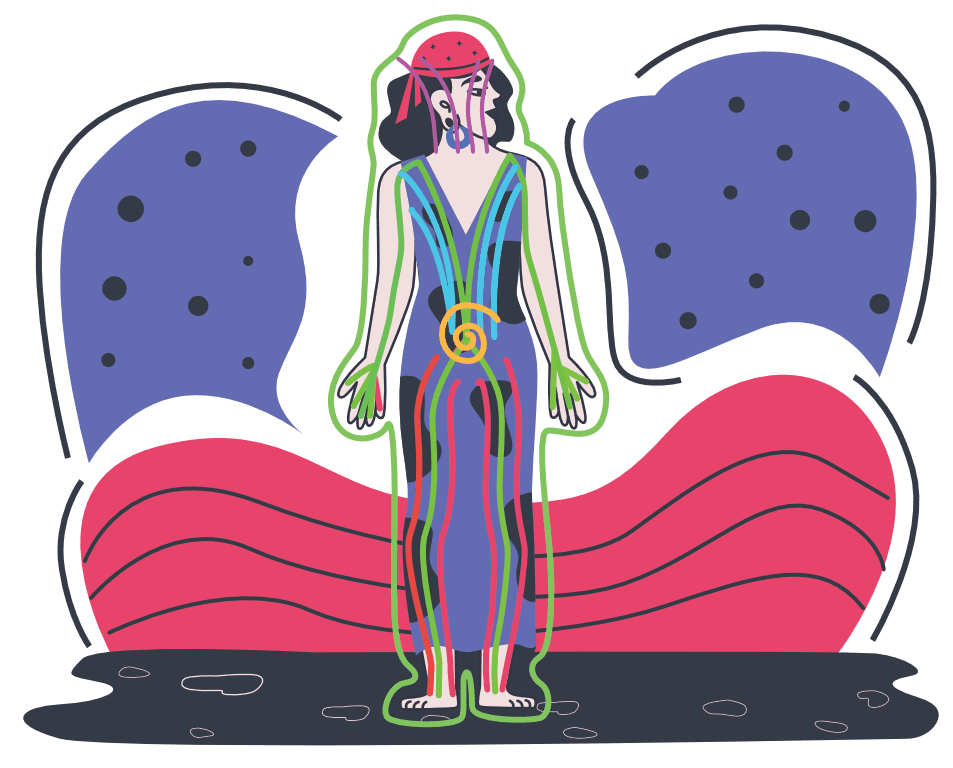
Each of the five Prana Vayus plays an essential role in our body and mind. They move and direct energy in specific directions, each with its own special area of influence and function. Scale Pose has its own unique effects on these vayus.
Apana Vayu – The Grounding Force
▼
In Tolasana, the scale pose, Apana Vayu, which works in the lower half of the body and stands for elimination and stability, is challenged in a unique way. By lifting yourself off the floor, a conscious effort is demanded that controls and stabilizes Apana Vayu. Physically, it helps strengthen the elimination organs and fosters a feeling of inner firmness, while mentally it strengthens the feeling of steadfastness and grounding.
Samana Vayu – The Balancing Force
▼
The center of the body, the seat of Samana Vayu, is strongly engaged in Tolasana due to the necessity to activate and stabilize the body center. This centralizing energy fosters digestion and internal balance. Physically, it supports the strengthening of the core musculature; mentally, it helps create a balance between taking in and letting go.
Udana Vayu – The Ascending Energy
▼
Udana Vayu, which is located in the throat space and associated with growth, communication and the upward flow of energy, finds a strong emphasis in Tolasana through the vertical alignment of the body. The pose physically fosters the health of the cervical spine and the clarity of the voice, while mentally it strengthens the power of self-expression and the ability to align upward and grow.
CHAKRAS
Muladhara Chakra (Root Chakra)
▼
Tolasana, the scale lift, is strongly connected with the Muladhara Chakra, as the pose requires a deep grounding and stability. When lifting the body off the floor, it is essential to maintain a strong connection to the earth, which activates the energetic qualities of the root chakra. This posture fosters the feeling of safety, grounding and trust by stabilizing the physical and energetic base essential for daily life.
Swadhisthana Chakra (Sacral Chakra)
▼
The Swadhisthana Chakra, located in the pelvic area, stands for creativity, emotions and the flow of life. In Tolasana, this energy point is activated by lifting the pelvis and strengthening the hips. This fosters not only physical flexibility but also an energetic liberation that supports the sacral chakra. The pose helps release emotional blockages and increase the feeling of joy for life and creative power.
Manipura Chakra (Solar Plexus Chakra)
▼
The Manipura Chakra in the area of the solar plexus is the seat of personal power and self-confidence. The intense work of the core in Tolasana activates this chakra by engaging the abdominal muscles and stabilizing the entire body. This physical effort reflects the energetic stimulation of the Manipura Chakra, which strengthens self-confidence and fosters the inner willpower. The practice of Tolasana can therefore stoke the inner fire and the determination that reach far beyond the mat.
KOSHAS
Annamaya Kosha (Physical Body)
▼
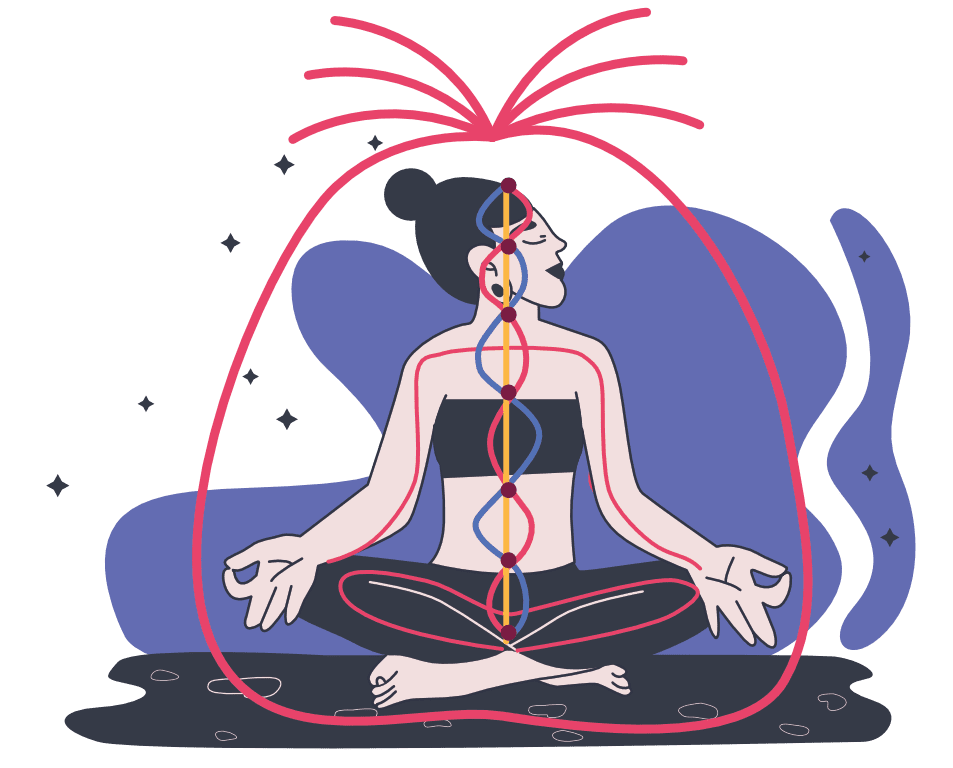
Annamaya Kosha refers to the physical level of our being. Tolasana (scale pose) requires and develops significant strength in the arms and in the core.
Pranamaya Kosha (Energy Body)
▼
Pranamaya Kosha is associated with the energetic body. Tolasana can stimulate the flow of energy through the chakras, especially through the Manipura Chakra, which is connected with willpower and energy.
Manomaya Kosha (Mental Body)
▼
Manomaya Kosha concerns the mental and emotional state. Tolasana fosters mental discipline and focus, as the pose demands a concentrated effort.
Vijnanamaya Kosha (Intellectual Body)
▼
Vijnanamaya Kosha contains the higher intelligence and wisdom. The challenge that Tolasana offers can sharpen the decision-making ability and the problem-solving capacity.
Anandamaya Kosha (Spiritual Body)
▼
Anandamaya Kosha is the spiritual layer, connected with deep happiness and inner peace. Tolasana can foster a feeling of lightness and spiritual ascent once the pose is mastered.
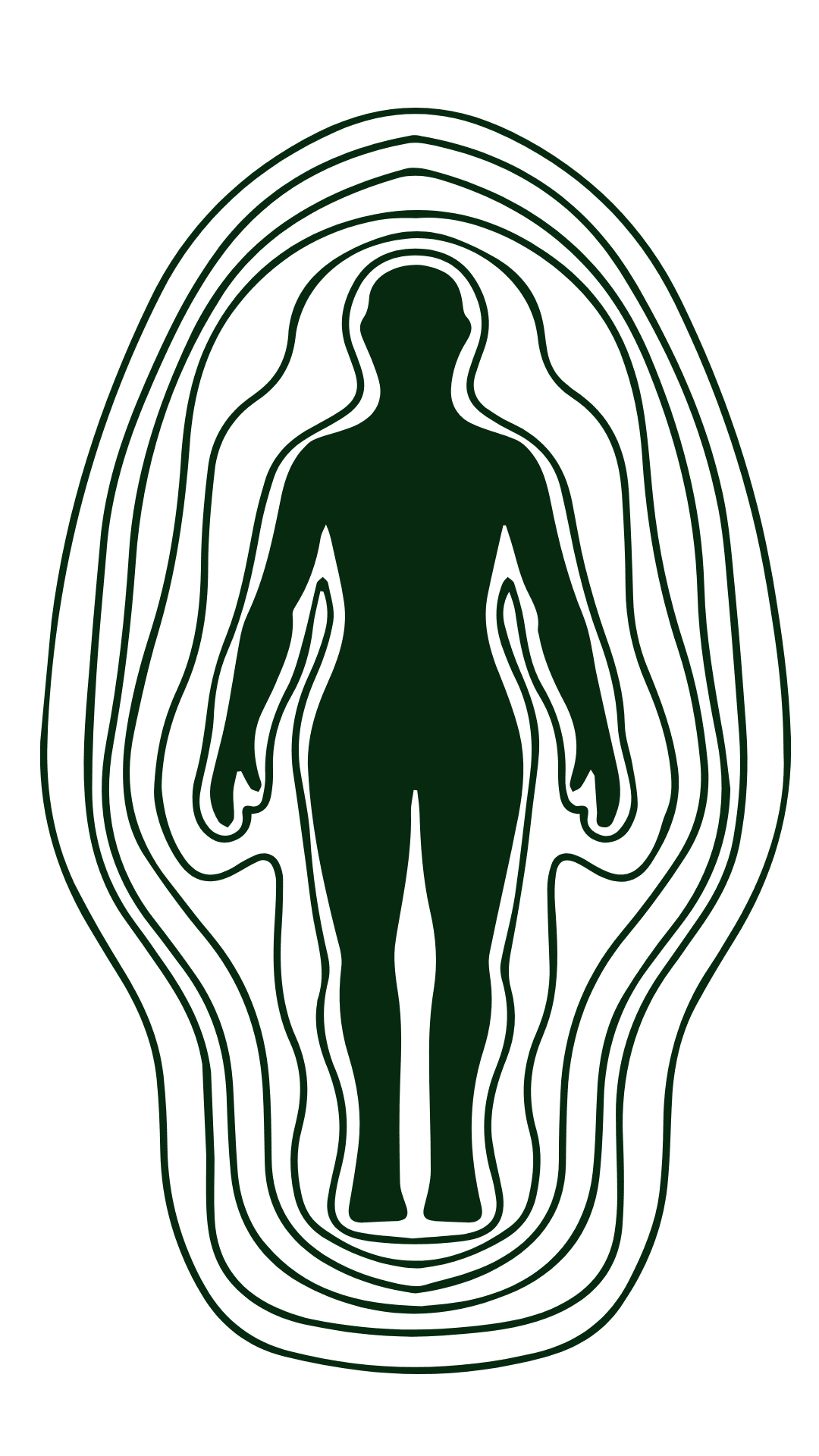
DOSHAS
Vata
▼
Tolasana helps calm the often restless Vata dosha by requiring a calm, stable posture and focused breathing. The grounding through the hands and the lifting of the body create a centered, grounded feeling that harmonizes Vata and strengthens the qualities of steadiness and warmth, which is especially supporting with inner restlessness and nervousness.
Pitta
▼
Tolasana has a balancing effect on Pitta by requiring a controlled and disciplined posture without exaggerating the fiery intensity. The asana fosters patient self-control and directs the inner warmth into a calm, balanced course that calms the Pitta dosha and contributes to a feeling of serenity and inner peace.
Kapha
▼
Tolasana increases Kapha through its grounding and stabilizing effect. The pose fosters inner calm and steadiness by grounding the body and providing stability through the activation of the core. This posture supports Kapha types in deepening their natural tendency toward relaxation and serenity, and gives a feeling of safety and being rooted that carries into everyday life.

Key Information for Correct Execution
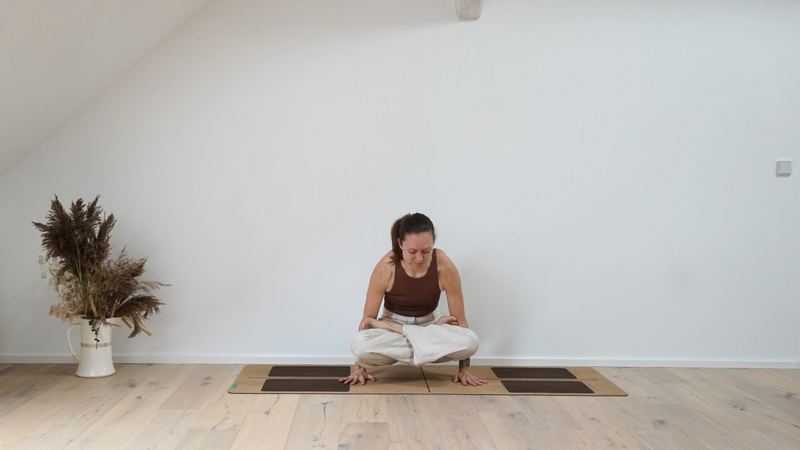
Meet Geraldine, a certified yoga teacher and psychology student who emphasizes mindfulness and alignment to inspire people toward a more peaceful life.
Common Mistakes
• Arms are not active enough • Center of the body is passive
Our Tip
To be able to hold your own body weight on the hands, a strong base of your hands is important. Imagine your hands and feet are like those of a gecko sticking to the wall – your hands should also be “sticky” to support the posture.
Variations
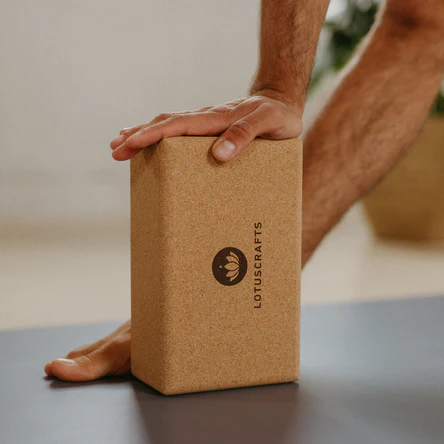
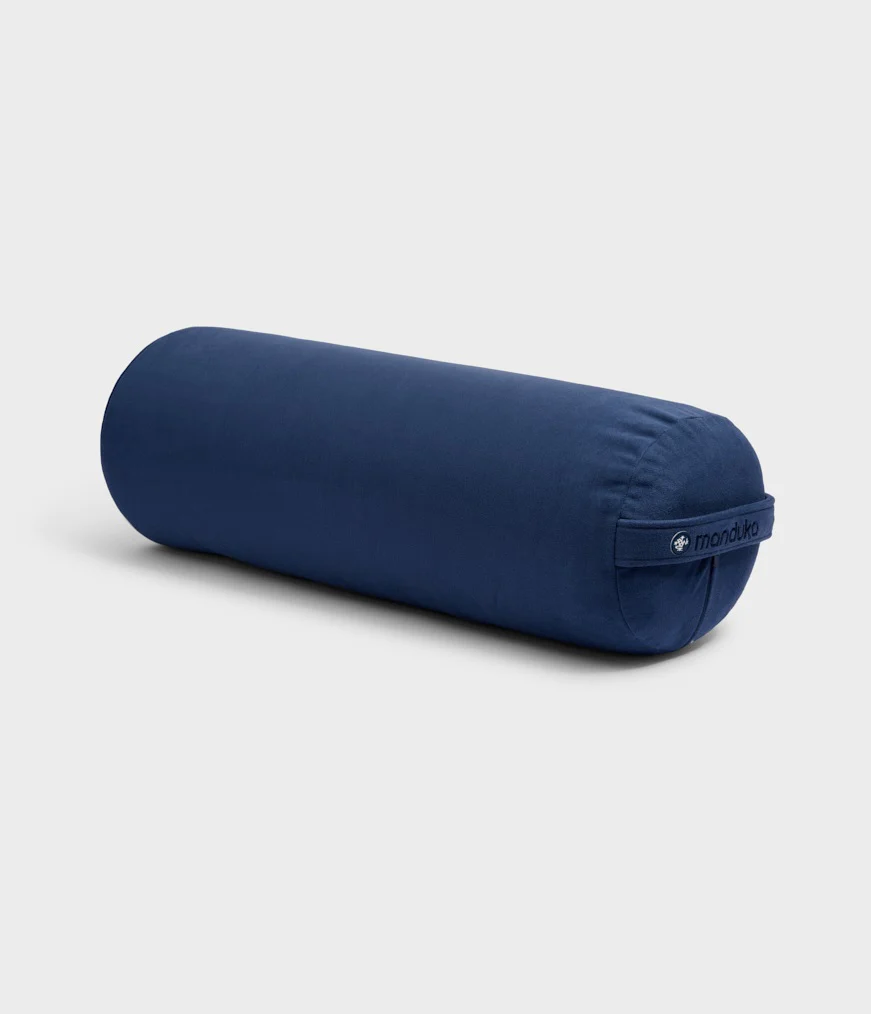
The pose can best be performed with two blocks under the hips to lift the buttocks slightly off the floor. Alternatively, the half lotus or the simple cross-legged seat can be practiced if the full lotus pose is not possible.
Physical Effect
Shoulder and Arm Joint Strength
Tolasana requires considerable strength in the shoulders and arms, especially in the triceps and in the shoulder girdle muscles. The pose improves the stability and mobility of the shoulder joints, while at the same time increasing arm strength. This strengthening is important for activities that require the lifting and carrying of loads and can reduce the risk of shoulder and arm injuries.
Wrist and Forearm Strengthening
In Tolasana, a considerable pressure is also exerted on the wrists and forearms. The pose strengthens the wrist extensors and the musculature of the forearms, which leads to an improved grip strength and stability of the wrists. This strengthening is especially beneficial for activities that require manual dexterity and strength and can help reduce the risk of injuries such as tendinitis.
Core Stabilization
Tolasana, also known as the scale pose, intensely engages the core musculature, including the transversus abdominis and the oblique abdominal muscles. This strong activation of the core is crucial for maintaining the pose and fosters an improved stability and alignment of the spine. The strengthening of these core muscles is essential for a good posture and can help prevent back pain and improve the general functional mobility.
Effects on Psyche and Emotions
Determination and Goal Orientation
The scale pose requires determination and holding on to a clear goal to lift and hold the body. Area of life: This goal orientation can enable a person to approach challenges at the workplace or in personal projects with increased determination.
Inner Balance and Harmony
Tolasana can foster an inner balance by requiring physical strength to be used evenly and harmoniously.
Centering and Presence
Tolasana forces the practitioner to linger in the present moment, as any distraction can destabilize the posture. This presence can translate into an improved attention and focus in daily tasks.
Props

Also interesting!
Author of this Asana

Manish Rana is a certified yoga teacher and founder of asanaverse.de. He writes about topics around yoga, ayurveda and meditation. Manish owes his deep connection to yoga to his Indian roots, through which he came into contact with this practice early on.
Learn more about our team here →DISCOVER MORE
More Forward Bends
Get our free ebook with 108 asanas now!
With great care and passion, we have selected and described 108 of the most important asanas for you in detail!
Perfect for your practice and cues ;)
Thank you for being here!
Thank you for being here and being part of this ever-evolving platform! We strive to keep growing and improving.
Your feedback is invaluable. Namasté 🙏
Comments feature coming soon. 💬
Guide
Browse our guide now
Accessible Yoga Mobility: Chair Yoga and Inclusive Asanas for All Bodies
Ahimsa – Gewaltlosigkeit als Fundament des Yoga und Lebens
Yoga Sutras zusammengefasst – Kapitel 2 (Sadhana Pada): Pfad der Praxis
Meditation bei Überforderung und Angststörung: Achtsam bleiben in turbulenten Zeiten
12 Wege, das Sitzen in der Meditation zu erleichtern — Stabiler sitzen, tiefer meditieren
Brahmacharya: Quelle des Lebens für mehr Lebenskraft und Vitalität