What Is Restorative Yoga? Discover the Healing Power of Relaxation
What Is Restorative Yoga? Discover the Healing Power of Relaxation
Expert Verified by Mamta Rana
In today's world, shaped by hectic pace and constant change, the search for wholeness is gaining more and more importance. The term "wholeness" refers to a comprehensive understanding of health that goes far beyond the mere absence of illness. It is a perspective that focuses on body, mind and soul, and sees their harmonious interplay as the foundation for true wellbeing. In this context, Yoga philosophy and restorative yoga offer a profound answer to the contemporary longing for wholeness. But what exactly is this Restorative Yoga?
In this guide, you will find:
- A profound understanding of how restorative Yoga promotes harmony between body, mind and environment, and contributes to wholeness in health awareness.
- Knowledge of the scientific foundations and studies that prove the effectiveness of restorative Yoga in stress reduction and in promoting psychosocial health.
- Practical guidance for asanas with therapeutic potential and tips for integrating restorative Yoga into daily life and into therapeutic sessions.
The Yoga Styles Guide: what is there altogether?
This practice is rooted in the recognition that true healing can only occur when we do not limit ourselves to the physical dimension alone, but also include the mental and emotional aspects of our existence. The modern lifestyle, shaped by constant availability and performance pressure, often leads to a neglect of this balance. Stress, overwork and constant sensory overload leave their mark not only on our psyche, but also manifest themselves in physical ailments.
The answer to these challenges can be found in Yoga as well as in traditional healing practices such as Ayurveda, which have emphasized the importance of the unity of body and mind for thousands of years. Restorative yoga is one such practice, deeply rooted in the yogic tradition and yet perfectly suited to the modern world. It offers a way to leave the stress of everyday life behind by bringing the body into a state of deep relaxation, thereby calming the mind. This state of relaxation is not merely a pause from stress, but an active process of healing and regeneration.
The Connection Between Mind, Body and EnvironmentTraditional healing practices, ranging from Ayurveda to traditional Chinese medicine, are based on the conviction that health is more than the absence of illness. It is, rather, a state of complete physical, mental and social wellbeing. At the heart of these practices lies the unshakable conviction that mind, body and environment do not exist separately from one another, but stand in a dynamic relationship that directly influences our health.
In the Vedic tradition, this connection is illustrated by the concept of "Prana" (life energy), which flows through everything and thus creates an immediate link between our inner world and our outer environment. Modern scientific research, especially in the fields of psychoneuroimmunology and environmental psychology, increasingly confirms how closely our mental health is connected to physical wellbeing and environmental conditions. Stress, caused by negative environmental influences or psychosocial factors, can lead to a wide range of physical illnesses, from cardiovascular disease to autoimmune conditions.
2. Restorative Yoga: An Introduction What is Restorative Yoga?Restorative Yoga stands, in the practice of yoga, for the art of deep relaxation and conscious non-doing. In contrast to the physically demanding styles of yoga, in which dynamism and physical challenge take centre stage, Restorative Yoga focuses on relaxing the muscles, calming the mind and supporting the parasympathetic nervous system, which guides the body into a state of rest and regeneration. By using props such as blocks, bolsters and blankets, it allows practitioners to hold positions without effort over longer periods of time, so that deep layers of letting go and healing can be reached.
This practice aims to release physical and mental tension that arises from our everyday stress and the demands of life. It is an invitation to surrender to the flow of life and to create a space in which healing can occur on every level. Restorative Yoga is not only a physical practice but also a form of meditative experience that serves to recognise and transform deeply rooted beliefs and patterns.

The main difference between Restorative Yoga and other forms of yoga such as Vinyasa, Ashtanga or Hatha lies in the intention and execution of the practice. While most styles of yoga aim to increase physical strength, flexibility and endurance, Restorative Yoga focuses on maximising relaxation and minimising effort. This approach offers a unique counterbalance to an often performance oriented everyday life and opens up a space for deep inner calm and regeneration.
Another key difference is the amount of time spent in each position. In Restorative Yoga, asanas (positions) are held for longer periods, often 5 to 20 minutes, to give the body the opportunity to relax completely and let go. This longer duration allows for a deeper effect on the nervous system and encourages a more intense form of inner reflection and meditation.
In addition, Restorative Yoga is especially accessible to people of all ages and physical conditions. It requires no prior yoga experience and is therefore a welcoming practice for those who long for rest or are recovering from injury or illness. The supportive nature of the props and the gentle approach make it an inclusive practice that can be adapted individually to meet the needs of each person.
In today's fast paced world, stress has become an ever present phenomenon whose effects on health must not be underestimated. The way we perceive and cope with stress plays a decisive role in our wellbeing.
Stress and Its Effects on the BodyStress is a natural response of the body to challenges or threats. Experienced in moderation, stress can indeed have positive effects, such as increasing alertness and performance. When stress becomes chronic, however, it can lead to a wide range of health problems, including anxiety, depression, cardiovascular disease and a weakened immune system.
The physiological response to stress is deeply anchored in our nervous system and is often described as the "fight or flight" response. This response prepares the body to react quickly, resulting in an increase in heart rate, blood pressure and cortisol levels. While these responses can be lifesaving in acute situations, their constant activation through chronic stress wears the body down and can cause long term damage to health.

Your Ultimate Prana Guide to Vitality & Life Force
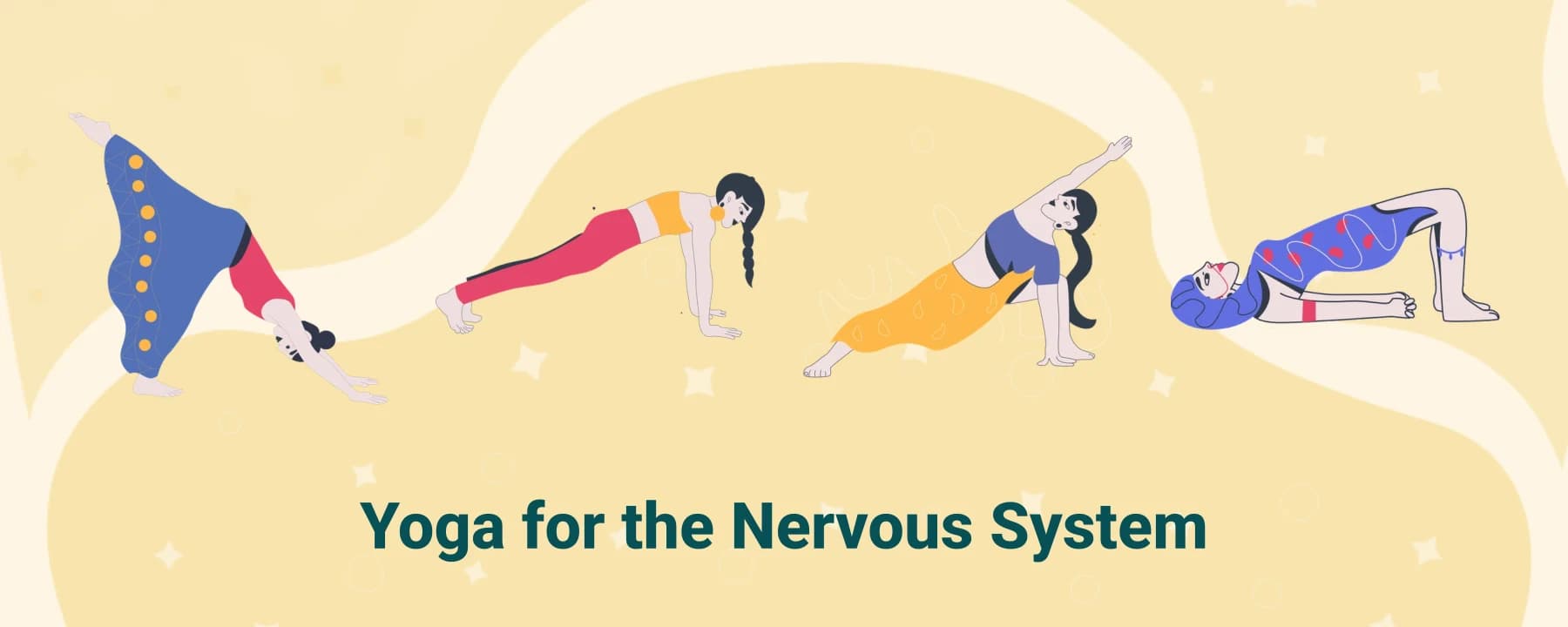
Restorative Yoga for Stress ReductionRestorative Yoga offers an effective counterbalance to the effects of chronic stress. Through its gentle, supportive exercises, it promotes the activation of the parasympathetic nervous system, which is responsible for relaxation and recovery. This activation helps neutralise the negative effects of the "fight or flight" response and leads to a reduction of stress hormones in the body.
The practice of restorative yoga allows participants to immerse themselves in a state of deep relaxation, in which the body can heal and regenerate. The long holding times of the asanas (positions) allow you to release physical and mental tension that is intensified by chronic stress. These deep states of relaxation not only improve sleep quality and general wellbeing, they can also increase resilience to future stressors.
In addition, restorative yoga offers a space for mindfulness and self-reflection, which allows practitioners to perceive and manage their reactions to stress more consciously. This heightened self-awareness is a key to long-term stress management and to fostering a healthy, balanced lifestyle.
4. Scientific findings on restorative yogaThe effectiveness of Restorative Yoga as a method for stress reduction and the promotion of general wellbeing is increasingly supported by scientific research. These findings not only provide a solid foundation for the practice, they also open up new perspectives for integrating yoga into therapeutic approaches.
Overview of relevant studiesIn recent decades, numerous studies have examined the positive effects of restorative yoga on physical and psychological health. A meta-analysis that summarizes various research papers on the topic of yoga and stress shows significant improvements in participants who practice yoga regularly, compared to control groups. The results of these studies suggest that restorative yoga can effectively help to reduce stress symptoms, improve sleep quality and increase general wellbeing.
A key focus of the research is on the effect of yoga on the nervous system and stress hormones, especially cortisol, which is often referred to as the "stress hormone." High cortisol levels are linked to a wide range of health problems, including cardiovascular disease, diabetes and depression.
Incorporating the results of the specific study on cortisol and psychosocial outcomesA remarkable study in this area examined the effects of restorative yoga on cortisol levels and psychosocial outcomes in participants suffering from chronic stress. The study showed that regular practice of restorative yoga over a period of several weeks led to a significant reduction in cortisol levels. In addition, participants reported improvements in anxiety, depression and general quality of life.
These results underline the potential role of restorative yoga as a non-invasive, accessible method for treating stress and its accompanying symptoms. By contributing to the regulation of stress hormones and having a positive influence on psychological wellbeing, restorative yoga offers a promising alternative or supplement to traditional therapeutic approaches.
Restorative Yoga is not only a way to manage stress and relax, it is also a therapeutic tool that can be integrated into everyday life and into therapeutic sessions. The gentle practice aims to regenerate the body and calm the mind, which makes it a valuable part of a healthy lifestyle.
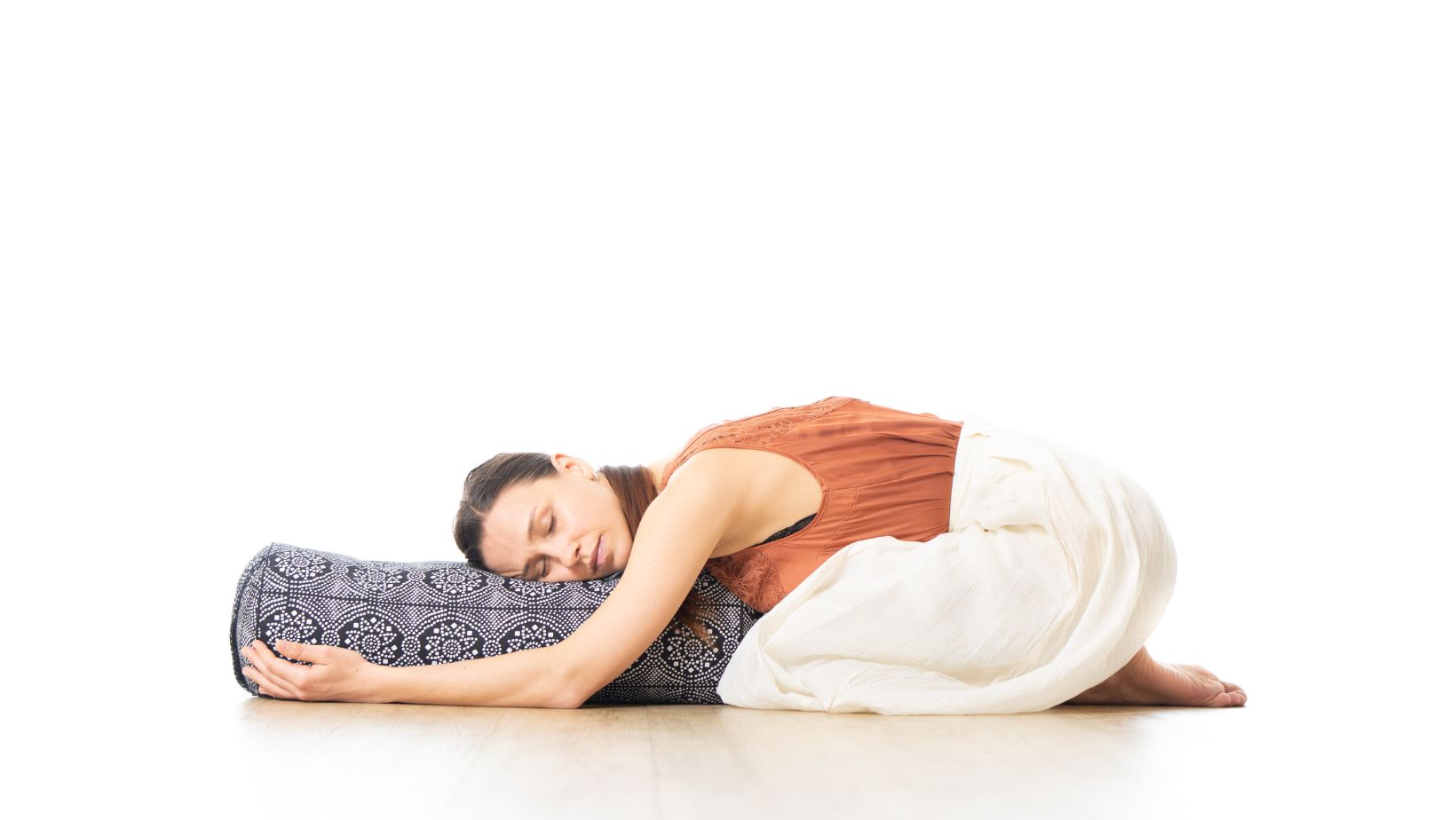
Instructions for asanas with therapeutic potential1. Supported Balasana (Child's Pose): This pose helps to release tension in the back, neck and shoulders and fosters a feeling of safety and security. Use a bolster or several folded blankets under your upper body to support a gentle stretch while allowing yourself to relax completely.
1. Supported Balasana (Child's Pose)This pose helps to release tension in the back, neck and shoulders and fosters a feeling of safety and security. Use a bolster or several folded blankets under your upper body to support a gentle stretch while allowing yourself to relax completely.
2. Supported Supta Baddha Konasana (Reclined Bound Angle Pose): This position gently opens the hips and lower back, areas that are often affected by stress and tension. Place a bolster lengthwise behind you and lie back on it, bringing your feet together and letting your knees fall gently outward. Use cushions under your knees for extra support.
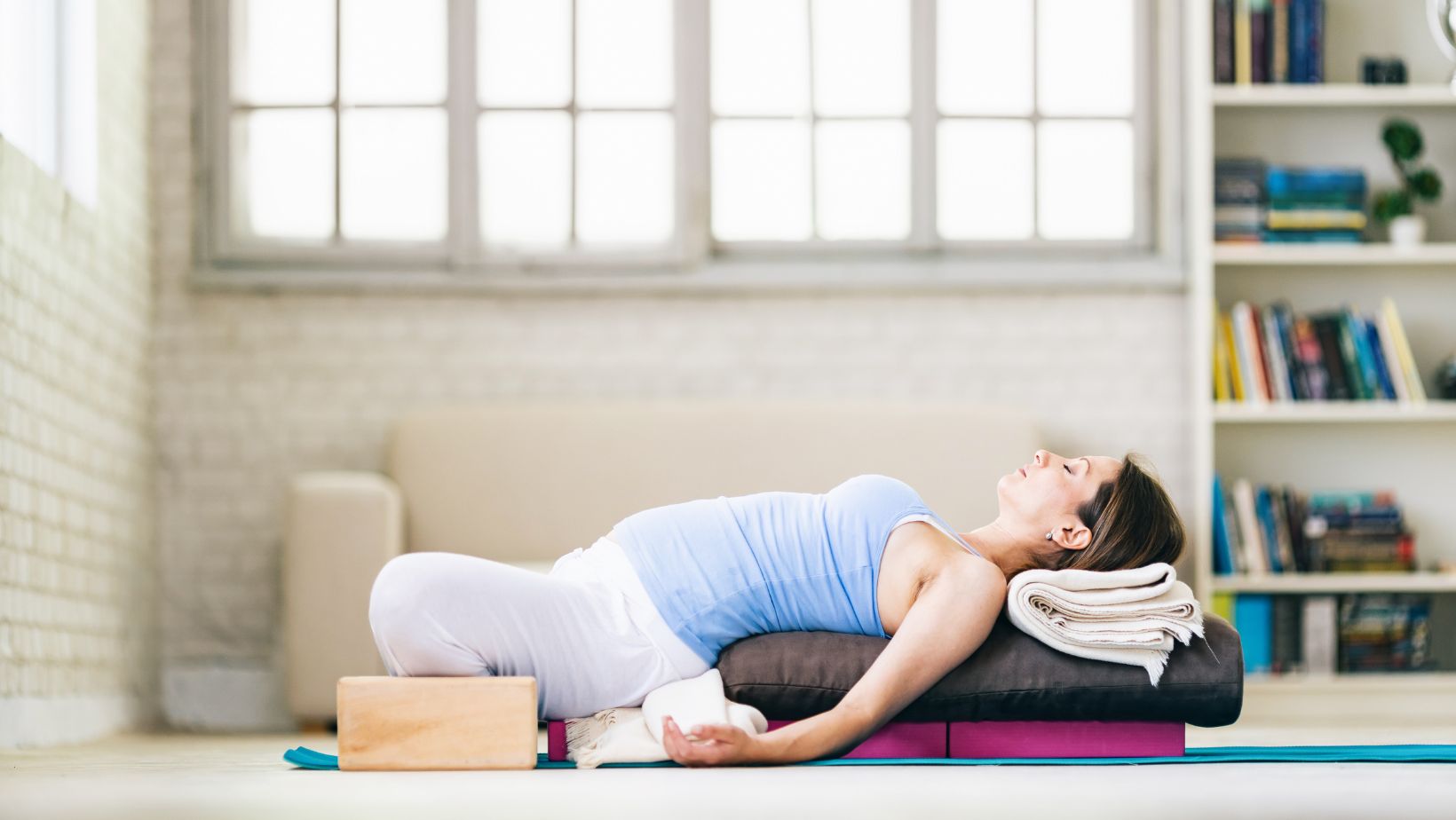
3. Viparita Karani (Legs Up the Wall): Known for its calming effect on the nervous system, this pose is ideal for quieting the mind and combating insomnia. Lie down with your buttocks as close to a wall as possible and extend your legs upward. A small cushion or a folded towel under your lower back can provide extra comfort.

Working consciously with chakras and nadis allows yoga practitioners to dive deeper into their practice and release not only physical but also energetic blockages. Through specific asanas that target particular chakras, and through pranayama techniques that harmonise the flow of prana through the nadis, practitioners can achieve a higher degree of inner balance and spiritual awakening.
The 5 Koshas Explained: Your Comprehensive Guide to Self Discovery
Integration into Daily Life and Therapeutic SessionsIn daily life: Integrating restorative yoga into your daily life can be as simple as scheduling short sessions in the morning or evening to start or end your day. Even a few minutes in a supported pose can help calm the mind and relax the body.
In therapeutic sessions: Restorative yoga can be used as a complementary therapy in various fields, including psychological counselling and physical therapy. The practice can help promote emotional balance, ease physical discomfort and improve self awareness.
The gentle nature of restorative yoga makes it an accessible tool for almost everyone, regardless of age or fitness level. Regular practice not only promotes physical health but also supports the development of a deep sense of inner peace and presence.
In ClosingWith that, we have reached the end of our Restorative Yoga guide. I hope this article was informative and inspiring for you. If you have questions or need further information, do not hesitate to contact me. Enjoy your practice.
Namaste


Note: Some of the links in this article may be affiliate links, which can bring us compensation at no cost to you if you decide to purchase something. These are products we have used ourselves and stand behind. This website is not intended as financial advice, it is for entertainment purposes only. You can read the disclosure of our partners in our privacy policy.
More articles from this category
The Meaning of the Svadhisthana Chakra
Learn the meaning of 108 in our learning tools.
What Is the Muladhara Chakra?
Learn the meaning of 108 in our learning tools.
What Is Ahimsa
Learn 5,000-year-old wisdom in fast forward. Here you find out what ahimsa is.